

A clogged sewer line often starts as a minor disruption that feels manageable at first. That sewer problem grows quietly as wastewater struggles to move through a blocked main line. Many property owners notice changes but delay action because the issue feels contained. Once the main sewer pipe loses proper flow, properties of all types face similar risks and disruptions. When pressure builds and drainage fails, a clogged sewer line shifts from inconvenience to urgent threat.
What a Clogged Sewer Line Means for Property
A clogged sewer line refers to a blockage in the main pipe that carries wastewater away from a property. This plumbing condition affects every connected drain, not just one fixture. When flow slows or stops, wastewater seeks the lowest point of exit. That system-wide impact explains why sewer issues escalate quickly.
How Sewer Lines Work in Homes and Buildings
A sewer line collects wastewater from sinks, toilets, and floor drains across the property. This main pipe relies on gravity to move waste toward municipal systems or septic tanks. In commercial buildings, that sewer connection often supports restrooms, kitchens, and equipment drains simultaneously. Because all fixtures share the same pathway, one blockage disrupts many areas at once. This shared design causes backups to appear in unexpected locations. Understanding that connection helps owners recognize severe warning signs.
Common Causes of a Clogged Sewer Line
A clogged sewer line usually forms through repeated stress rather than sudden failure. This plumbing problem develops when debris, grease, or roots restrict the interior of the pipe. Residential and commercial properties face similar causes, though usage patterns differ. Knowing the source guides proper repair decisions.
Tree Roots Invading Sewer Pipes
Tree roots enter sewer pipes through small cracks or loose joints underground. This root intrusion happens because roots seek moisture and nutrients. Once inside, roots expand and trap waste as it passes through the line. That trapped debris creates thicker blockages over time. Older properties are more exposed due to aging pipe materials. Without removal, root damage can lead to pipe collapse.
Grease and Food Waste Buildup
Grease hardens inside sewer pipes as it cools after being disposed of. This grease layer catches food particles and soap residue. Commercial kitchens experience faster buildup due to higher volume. Residential kitchens contribute through routine cooking habits. Over time, the pipe opening narrows, restricting flow. That restriction eventually causes widespread drainage failure.
Non-Flushable Items in the System
Many items labeled disposable do not break down in sewer lines. This category includes wipes, paper towels, and hygiene products. These materials snag on pipe joints and imperfections. As waste collects around them, blockages grow denser. Toilets push these items deeper into the line. Removal usually requires professional equipment.
Warning Signs of a Sewer Line Blockage
A clogged sewer line often sends multiple signals before a breakdown occurs. This pattern of symptoms appears across different fixtures. Property owners who notice these signs can limit damage. Ignoring them increases the risk of sudden backups.
Multiple Drains Slowing or Backing Up
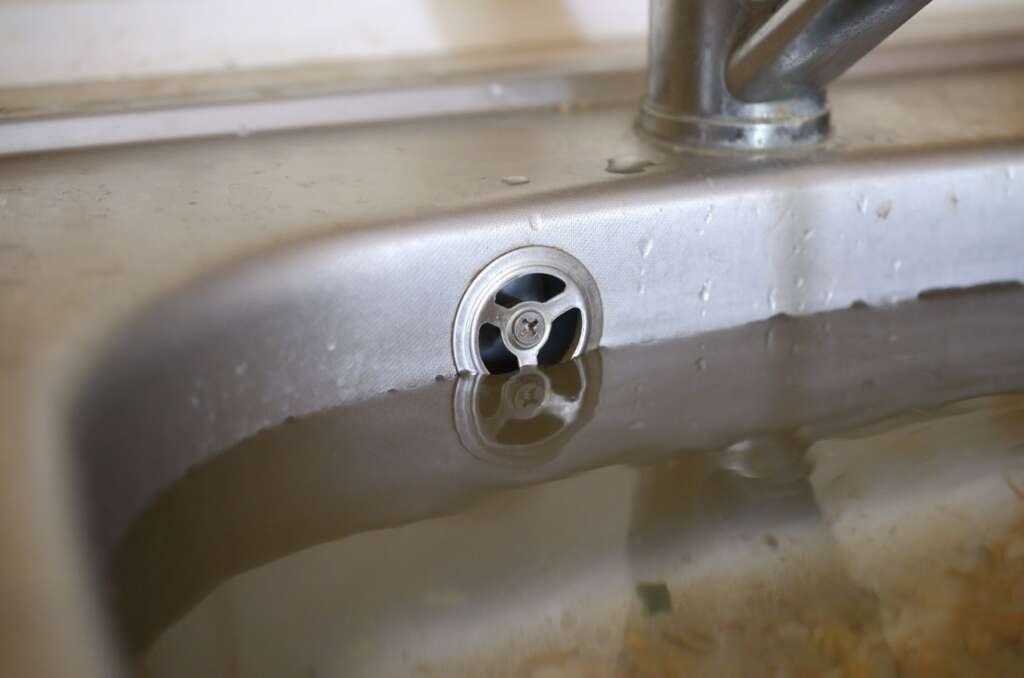
Several drains slowing together often indicate a sewer line issue. This drainage pattern differs from a single clogged sink. Toilets may bubble while tubs drain slowly. Each water use adds pressure behind the blockage. Over time, backups become more frequent and severe. This symptom signals a system-level restriction.
Gurgling Sounds and Air Movement
Gurgling noises occur when trapped air moves through blocked pipes. This sound often follows flushing or water use. Air displacement indicates uneven pressure inside the sewer line. As blockages worsen, the noises grow louder. That sound rarely resolves without intervention. Listening to plumbing sounds helps identify hidden problems.
Persistent Sewer Odors Indoors
Sewer odors appear when gases escape through restricted pipes. This smell often lingers near floor drains or restrooms. Cleaning products rarely solve the underlying cause. That odor source usually sits deep within the sewer line. Odors frequently intensify during heavy water use. This condition affects comfort and indoor air quality.
When a Clogged Sewer Line Becomes an Emergency
A clogged sewer line becomes an emergency when wastewater has no exit path. This stage threatens property structure and occupant safety. Sewage exposure creates sanitation concerns quickly. Fast response reduces damage and downtime.
Sewage Backups Inside the Property
Sewage backups occur when wastewater reverses direction. This overflow often emerges from toilets or floor drains. Contaminated water damages flooring, walls, and furnishings. Cleanup requires specialized sanitation procedures. Occupants may need to be temporarily relocated during restoration. That disruption increases overall repair costs.
Basement and Lower-Level Flooding
Basements often serve as pressure release points during sewer blockages. This lower elevation allows wastewater to surface first. Electrical systems are exposed to risks in flooded spaces. Structural materials absorb moisture and weaken over time. Cleanup becomes more complex as water spreads. Delayed action increases restoration scope.
Health and Compliance Concerns
Sewage contains bacteria and harmful pathogens. This exposure increases the risk of illness for residents and employees. Commercial properties face stricter public health scrutiny. Contaminated surfaces require professional disinfection. Improper handling worsens liability concerns. Safety becomes the primary priority during emergencies.
Managing Decisions During a Clogged Sewer Line
A clogged sewer line often forces quick decisions under high pressure. This situation affects judgment as much as it affects plumbing systems. Wastewater problems rarely escalate solely from a lack of awareness. They grow when uncertainty delays informed action.
How Pressure Shapes Plumbing Choices
Pressure compresses decision timelines during sewer disruptions. This mental strain leads to short-term fixes that seem fast and affordable. Temporary drain clearing may restore flow briefly. That solution often leaves deeper blockages untouched. Repeated failures then follow with greater disruption. Precise planning becomes harder as stress increases.
How Uncertainty Expands Liability Exposure
Uncertainty causes hesitation when sewer symptoms appear across a property. This hesitation often links to concerns about cost, downtime, or tenant response. Meanwhile, wastewater pressure continues building within the line. Pipes weaken as obstructions expand out of sight. Damage spreads without visible warning. Liability grows as sanitation risks increase.
Why Diagnostics Restore Control and Direction
Professional sewer diagnostics replace assumptions with verified information. This clarity supports confident decisions during active disruptions. Camera inspections identify the exact locations of blockages and the condition of the pipes. That evidence guides precise repair planning. Owners shift from reaction to control quickly. Informed action stabilizes operations and limits exposure.
Costs of Delaying Sewer Line Repairs
Delaying sewer repairs increases both financial and structural damage. This delay allows blockages to expand and weaken pipes. Property owners face repair, cleanup, and downtime expenses. Prompt service limits long-term costs.
Structural Damage Beneath the Property
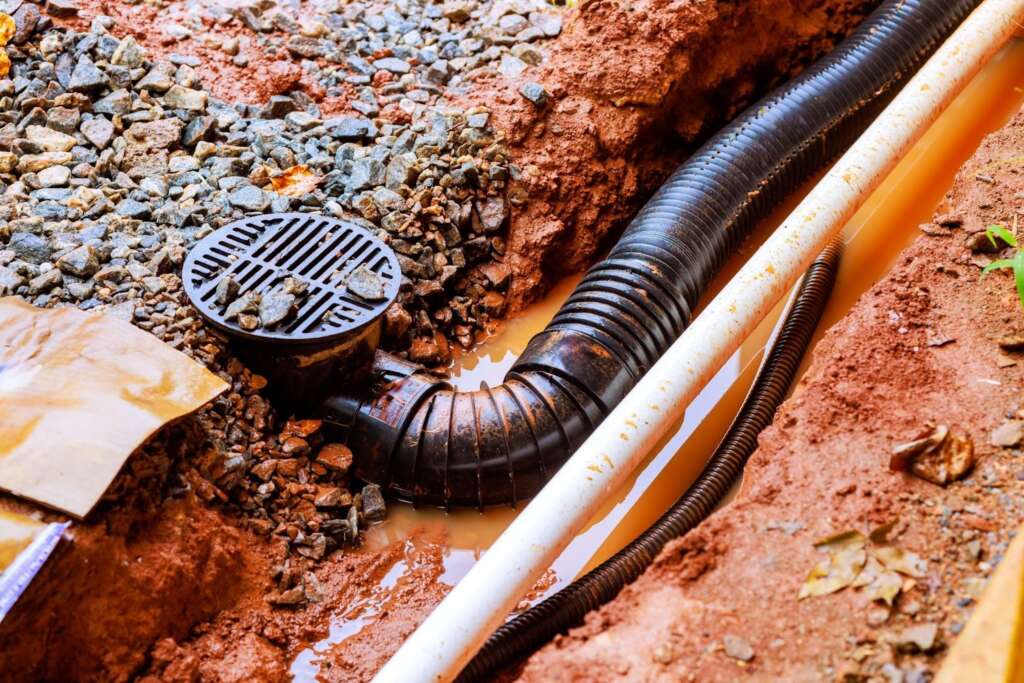
Blocked sewer lines can cause wastewater to leak underground. This leakage erodes the surrounding soil and support. Foundations may crack or shift as ground stability changes. Driveways and walkways can sink unexpectedly. Repairs extend beyond plumbing alone. Restoration often involves multiple trades.
Business Disruption and Tenant Impact
Commercial properties experience operational delays due to sewer failures. Restroom closures interrupt daily activity. Tenants may file complaints or demand compensation. Customer perception declines when visible plumbing issues occur. Each lost day affects revenue. Faster repairs limit business interruption.
Professional Solutions for Clogged Sewer Lines
Professional plumbing services address sewer issues at the source. This expertise prevents repeat failures and misdiagnosis. Proper tools reveal hidden damage accurately. Long-term solutions protect property systems.
Camera Inspections for Accurate Diagnosis
Camera inspections show the inside of sewer pipes in real time. This method precisely locates blockages and damage. Technicians avoid unnecessary digging by focusing on targeted repairs. Property owners receive visual confirmation of issues. Documentation supports informed decisions. Accurate diagnosis shortens repair timelines.
Sewer Line Cleaning and Clearing Methods
High-pressure water jetting safely removes grease, roots, and debris. This cleaning method restores the full pipe diameter. Flow improves immediately after service. Mechanical cutting may remove stubborn roots. Professionals select methods based on pipe condition. Proper cleaning reduces repeat blockages.
Sewer Line Repair and Replacement Options
Some sewer pipes suffer cracks or collapses that cannot be cleaned. This damage may require lining or sectional repair. Trenchless methods reduce surface disruption. Complete replacement becomes necessary when deterioration spreads widely. Professionals explain options clearly before work begins. Informed planning prevents unexpected costs.
Preventing Future Sewer Line Emergencies
Preventing sewer emergencies relies on informed property management. This approach combines good habits with routine maintenance. Scheduled service identifies developing issues. Long-term care supports reliable drainage.
Responsible Drain and Toilet Practices
Only waste and toilet paper belong in sewer systems. This rule applies to residential and commercial spaces alike. Grease should cool and be disposed of separately. Staff and tenants benefit from clear usage guidelines. Commercial kitchens need grease management plans. Education reduces accidental misuse.
Routine Sewer Line Inspections
Routine inspections reveal early signs of trouble. This monitoring detects root growth and buildup. Maintenance schedules should match property usage levels. Commercial sites often require more frequent service. Consistent inspections reduce repair scope. Preventive care supports system longevity.
Landscaping Awareness Near Sewer Pipes
Tree placement affects underground sewer infrastructure. This root growth often extends far beyond visible canopies. Property owners should know pipe locations. Selecting appropriate plants reduces intrusion risk. Existing trees may require monitoring. Awareness prevents hidden damage.
Stop a Clogged Sewer Line From Disrupting Your Property
A clogged sewer line does not resolve on its own, and waiting often allows hidden damage to spread beneath the surface. Wastewater pressure, sanitation risks, and operational disruptions compound over time. Property owners who respond decisively protect their buildings, occupants, and daily routines from avoidable strain. Professional evaluation provides clarity, restores control, and prevents a manageable issue from turning into a costly shutdown.
Smart property decisions start with reliable information. Read more on sewer systems and maintenance at the Castaneda’s Plumbing and Rooter blog.