
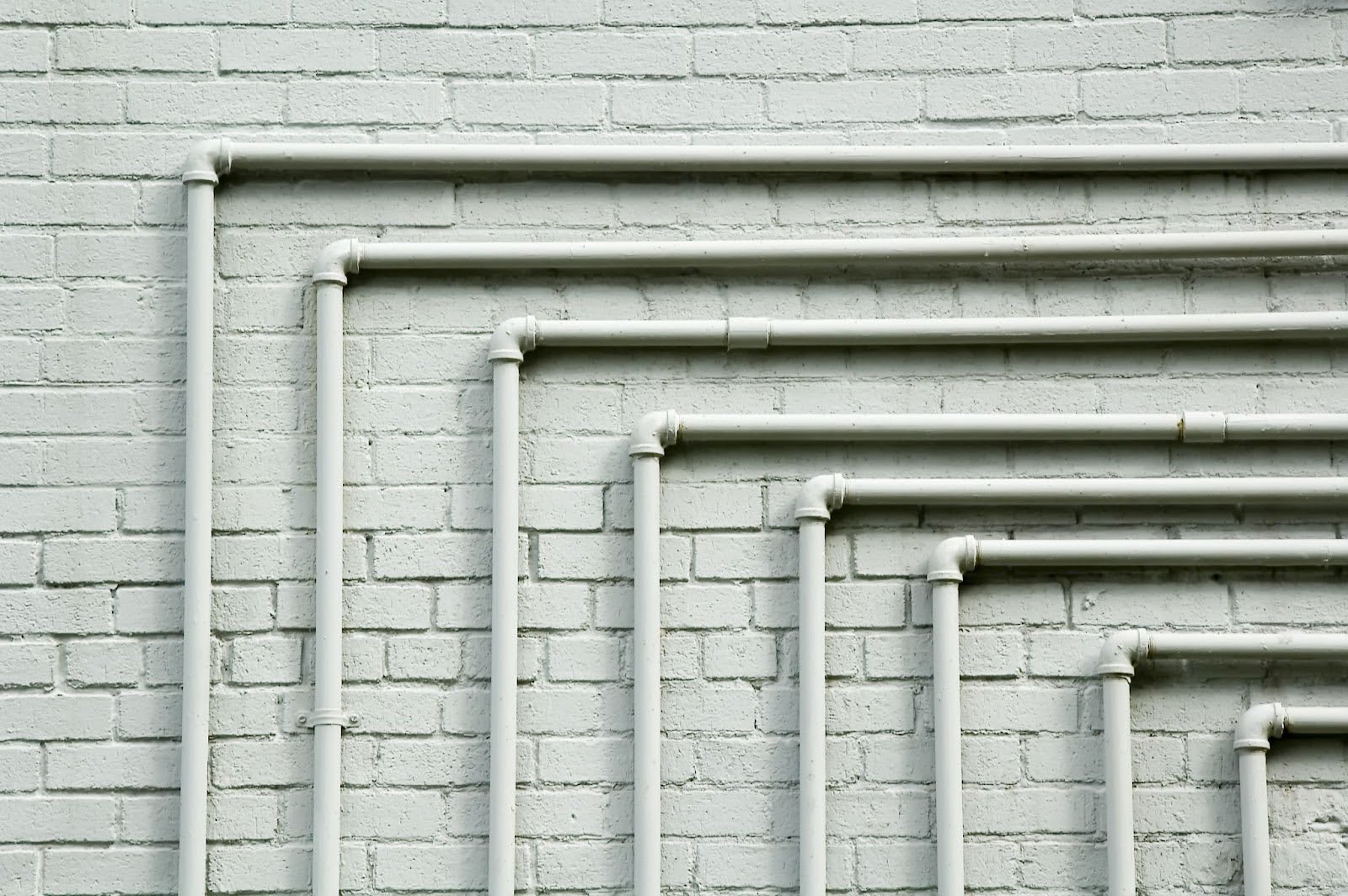
Drain pipes support daily activity in homes and commercial buildings without much notice. When problems surface, they disrupt operations, comfort, and sanitation immediately. Property owners often face higher repair costs because warning signs went unnoticed. Residential systems and commercial drainage networks experience similar failures, although usage intensity differs. Precise knowledge of drainpipe problems helps owners respond with confidence rather than make urgency-driven decisions.
Common Conditions Behind Drain Pipe Problems
Drainpipe problems usually arise from a series of overlooked conditions rather than isolated events. These conditions develop gradually as systems respond to use, environment, and maintenance choices. Most property owners encounter the effects long after the process begins. Recognizing these underlying conditions clarifies why specific drain pipe problems emerge later.
Aging Systems and Material Breakdown
Aging drainage systems deteriorate as materials weaken and internal surfaces change. Time affects metal, clay, and plastic differently, but no system remains unchanged forever. Older buildings often hide these issues behind walls or beneath slabs. This aging process causes gradual performance degradation before visible failure occurs.
Corrosion Inside Metal Piping
Corrosion occurs when metal piping reacts with moisture and waste over time. This internal rust buildup roughens the pipe walls, trapping debris as water flows through. The trapped debris narrows the interior and progressively slows drainage. Property owners may notice discolored water or recurring clogs as corrosion advances. Commercial systems experience faster wear due to higher volume use. This corrosion damage also weakens pipe walls, increasing the risk of leaks and breaks.
Brittle Pipe Materials Losing Flexibility
Older systems often contain clay or cast iron, which harden with age. These rigid materials respond poorly to soil movement and temperature changes. Minor fractures develop as expansion and contraction repeat. The damage usually progresses without warning. Once cracks widen, leaks form underground or within walls. Replacement becomes unavoidable when structural integrity declines.
Pipe Joint Wear From Long-Term Use
Pipe joints are constantly under stress from flowing water and waste. Over time, seals shrink and lose elasticity. Small gaps between pipe sections allow leaks to develop. These joint failures often occur underground, where detection becomes difficult. Escaping water erodes the surrounding soil and worsens misalignment. Joint deterioration commonly triggers repeated backups.
Improper Waste Disposal and Blockage Formation
Improper waste disposal introduces materials that systems cannot process efficiently. Daily habits in kitchens and restrooms influence internal conditions more than expected. Residential and commercial properties face different waste volumes but similar outcomes. This misuse leads to a buildup that restricts flow.
Grease and Fat Buildup in Kitchen Lines
Grease enters plumbing as a liquid but solidifies as it cools. This hardened residue sticks to interior surfaces and captures food particles. A layered buildup steadily reduces the internal diameter. Commercial kitchens experience this issue more quickly due to higher volume. Odors often appear as grease accumulates. Routine rinsing fails to remove hardened deposits.
Food Waste Overloading Plumbing Systems
Garbage disposals encourage excess food waste entry. Starchy foods swell and cling to interior surfaces. Coffee grounds settle into dense layers that resist water flow. Fibrous scraps tangle with existing debris, worsening clogs. Over time, these materials create recurring blockages. Cleaning becomes less effective without changes in habit.
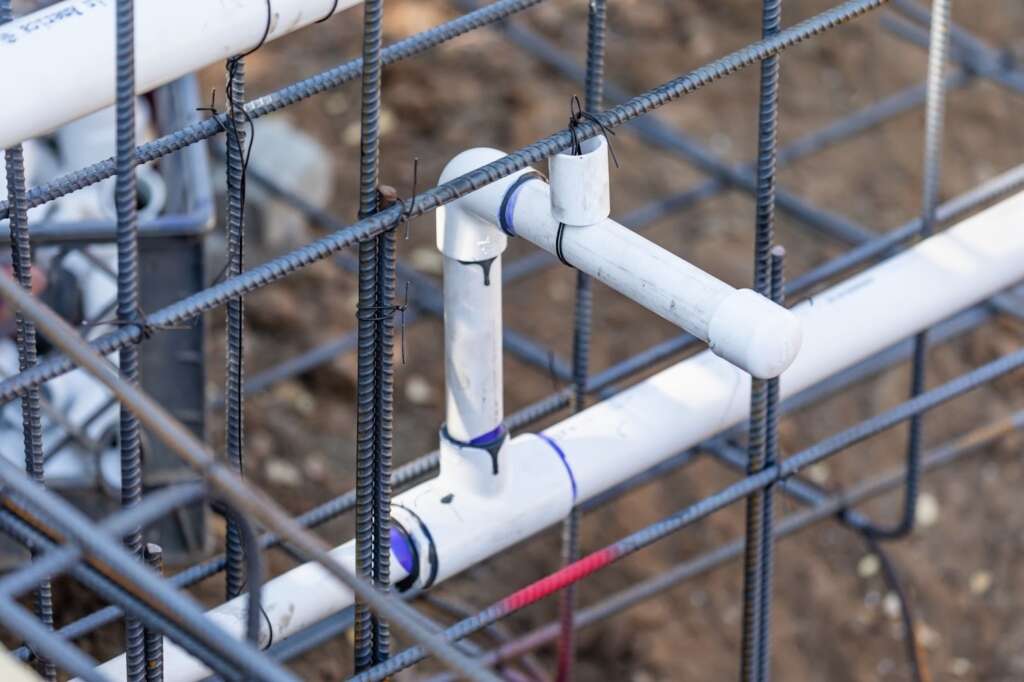
Alt-text: Newly installed PVC drain pipes arranged alongside exposed steel rebar during construction
Non-Flushable Items Blocking Flow Paths
Many disposable products do not break down in water. Wipes, paper towels, and hygiene products can easily lodge in systems. These items trap hair and soap residue quickly. Commercial restrooms are more prone to this problem. Blockages often form far from fixtures. Removal typically requires mechanical intervention.
Soap Residue Combining With Organic Waste
Soap does not dissolve completely after use. Residue coats pipe interiors and creates a sticky surface. Hair, grease, and food particles adhere to this layer. Over time, composite buildup forms dense obstructions. Hot water only shifts residue temporarily. This combination explains recurring clogs despite cleaning.
Commercial Cleaning Routines Increasing Load
Frequent cleaning increases the volume of debris entering drains. Mop water carries sediment, chemicals, and particulates. Floor drains receive concentrated waste repeatedly. These materials settle in low-flow sections. Commercial schedules intensify accumulation rates. Blockages form faster than expected.
Tree Root Intrusion Below Ground
Roots seek moisture sources found near underground plumbing. Even sealed systems release condensation into the surrounding soil. Small cracks or loose joints allow root entry. This intrusion progresses quietly until drainage slows.
How Roots Locate Underground Plumbing
Underground lines naturally release moisture into the surrounding ground. Roots detect this moisture and grow toward it. Tiny defects provide access points for intrusion. Older materials attract roots more easily. Growth continues inside the channel. Water flow decreases as roots expand.
Root Expansion Cracking Pipe Walls
Roots thicken once established inside plumbing. Expansion pressure builds against walls and joints. Cracks widen as growth continues. In severe cases, sections collapse entirely. Backups become frequent and unpredictable. Repairs often require excavation or relining.
Installation Errors Affecting Flow Efficiency
System performance depends heavily on correct installation practices. Construction errors often remain hidden for years. Both new builds and renovations face this risk. Installation flaws create recurring issues over time.
Incorrect Pipe Slope Issues
Gravity-based systems require a precise slope to function correctly. Insufficient slope allows water to pool. Debris settles in standing water, forming blockages. Excessive slope causes liquids to outrun solids. Both conditions disrupt proper drainage. Correct grading supports consistent flow.
Misaligned Pipe Connections
Pipe alignment must remain precise at every joint. Misalignment creates ridges that catch debris. Waste accumulates repeatedly at these points. Minor offsets cause persistent clogs. Underground misalignment proves difficult to detect. Long-term use worsens internal restrictions.
Code Variations Creating Inconsistent Installations
Local plumbing codes vary by region and era. Older systems often follow outdated standards. Renovations may connect incompatible components. These mismatches affect alignment and flow. Performance issues emerge slowly. Compliance gaps complicate future repairs.
Soil Movement and External Pressure Effects
Buried systems rest within soil that shifts over time. Ground conditions change after construction and during seasonal cycles. External pressure adds stress to buried infrastructure. This movement strains rigid systems.
Soil Settlement Around Underground Lines
Soil settlement occurs as the ground compresses naturally. Pipes lose even support during this process—low spots form where water collects. Debris accumulates faster in sagging sections. Flow efficiency decreases gradually. Repairs become more complex as settlement continues.
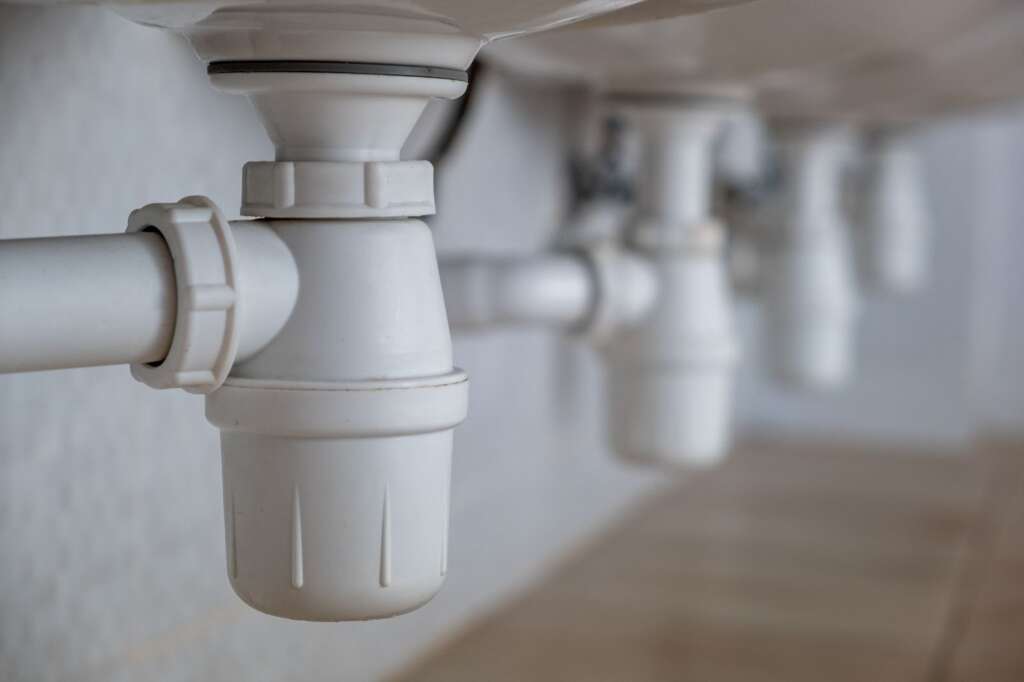
Alt-text: White plastic drain pipe connected under a bathroom washing sink
Heavy Traffic Above Buried Plumbing
Commercial properties experience additional surface pressure from delivery vehicles and equipment compacting soil. Vibration transfers stress to buried lines. Over time, materials deform or crack. Driveways and loading zones increase exposure. Reinforced systems reduce failure risk.
Temperature Extremes and Material Stress
Plumbing materials respond continuously to temperature changes. Seasonal extremes stress materials differently. Some systems tolerate fluctuation better than others. Repeated exposure weakens performance gradually.
Freezing Conditions Causing Structural Damage
Water expands when it freezes in enclosed spaces. Pressure builds rapidly within confined sections. Cracks form once expansion exceeds tolerance. Shallow installations face greater exposure. Cold regions increase failure likelihood. Repairs often follow thaw cycles.
Heat Exposure Softening Pipe Materials
Hot water discharge affects certain materials. PVC softens under sustained heat exposure. Shape distortion reduces the internal diameter. Commercial kitchens produce higher temperature discharge. Ventilation helps regulate internal conditions. Material selection limits heat-related damage.
Chemical Exposure and Internal Degradation
Chemical exposure alters internal surfaces over time. Cleaning habits influence wear rates significantly. Commercial environments see faster degradation. Chemical reactions weaken material integrity gradually.
Harsh Cleaners Wearing Interior Surfaces
Strong chemical cleaners promise quick results. Repeated use strips protective layers. Roughened surfaces trap debris more easily. Odors may temporarily fade, then return stronger. Gentler maintenance methods preserve condition. Professional guidance helps reduce damage.
Industrial Waste Damaging Plumbing Systems
Some commercial waste contains corrosive elements. Acids and solvents react aggressively with materials. Damage accelerates without visible warning signs. Leaks may appear suddenly. Compliance standards exist to limit this risk. Specialized systems handle harsh discharge better.
Cumulative Chemical Interaction Over Time
Chemical exposure rarely causes immediate failure. Minor reactions occur with each use. Over months and years, material composition changes. Surfaces become brittle or porous. This degradation weakens resistance to pressure. Failures appear sudden despite long-term exposure.
Warning Signs of Drain Pipe Problems
Drain pipes exhibit warning signs before failure. Subtle changes deserve attention from property owners. Ignoring patterns increases disruption risks. Awareness helps prevent costly repairs.
Slow Drains and Recurring Backups
Slow drainage often signals developing blockages. Repeated backups suggest deeper system issues. Multiple fixtures backing up indicate widespread trouble. Temporary fixes provide short relief. Professional inspection identifies root causes. Delay increases repair complexity.
Odors, Noises, and Visible Moisture
Sewer odors indicate trapped waste or leaks. Gurgling sounds signal airflow disruption. Moisture stains suggest hidden pipe damage. Mold growth follows prolonged dampness. Commercial spaces face customer impact quickly—prompt evaluation limits escalation.
Gurgling Sounds From Nearby Fixtures
Gurgling occurs when air struggles to move through restricted pathways. Pressure changes force air through water seals. Sounds often come from adjacent fixtures. This behavior suggests venting or blockage issues. Noise intensity increases as restrictions grow. Ignoring these sounds allows the imbalance to worsen.
Water Level Changes in Toilets or Drains
Water levels that rise or fall unexpectedly indicate pressure irregularities. Partial blockages disrupt standard drainage patterns. Toilets may refill slowly or inconsistently. Floor drains may hold water longer. These variations signal system-wide stress. Stable levels rarely fluctuate without cause.
Moisture or Residue Near Drain Openings
Residue around the drain openings points to slow evacuation. Water lingers long enough to leave deposits. Soap scum and mineral traces accumulate visibly. This buildup often accompanies internal narrowing. Property owners may clean surfaces repeatedly. The underlying restriction remains untreated.
Protect Drain Pipes Before Disruptions Escalate
Drain pipes rarely fail without warning, but those signals only matter when qualified plumbers evaluate them properly. Hidden buildup, pressure imbalance, and material stress require more than surface fixes or temporary solutions. Reliable plumbing services bring the tools, experience, and system-level understanding needed to identify risks before disruption spreads.
Choosing professional plumbers turns drainage care into a proactive decision rather than a reactive expense.