
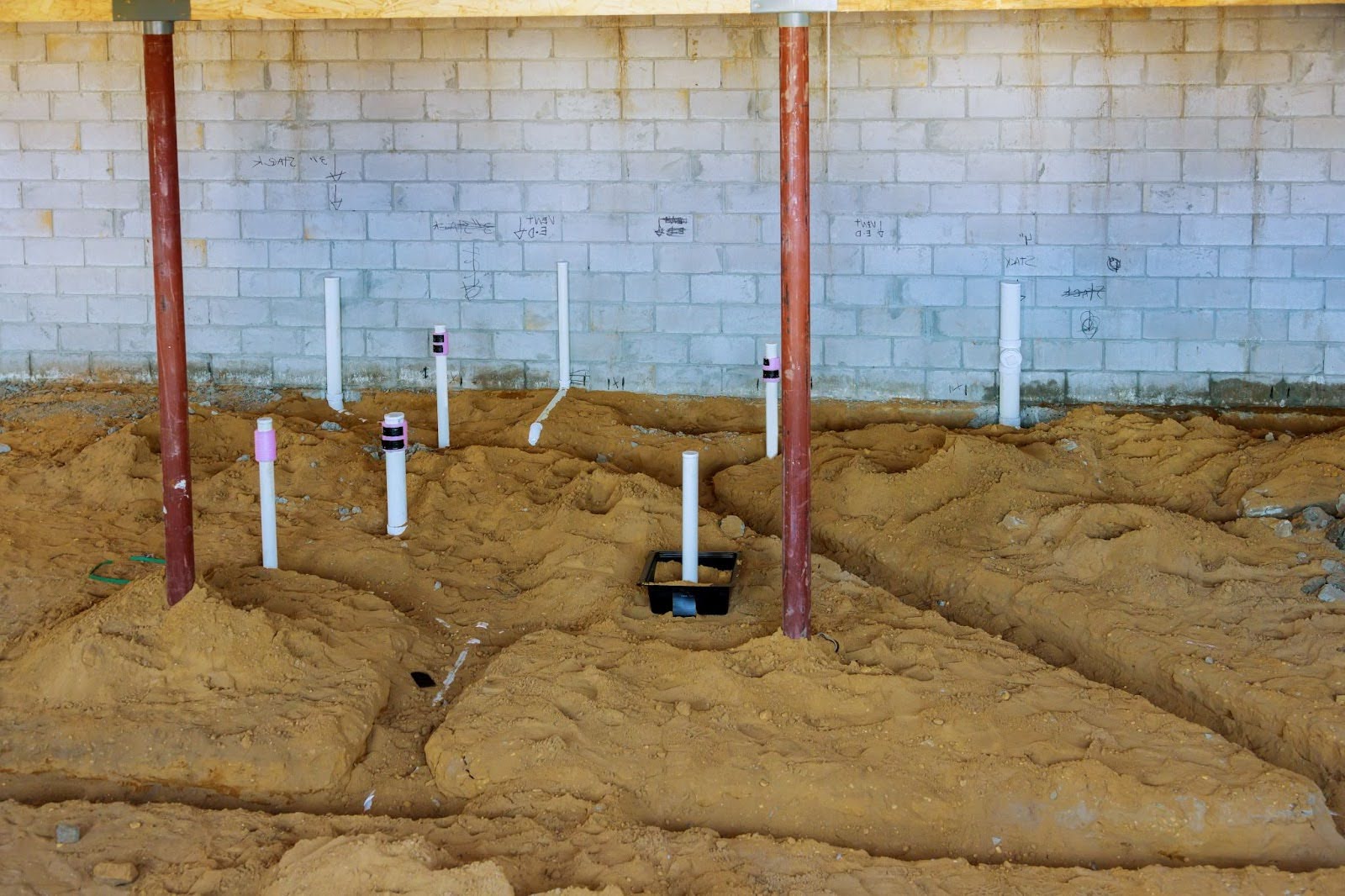
Water issues often surface quietly, then escalate into expensive structural concerns. Property owners usually notice the effects after moisture reaches walls, floors, or stored belongings. Sump pump installation addresses groundwater pressure before it compromises foundation materials. Controlled water removal reduces stress on concrete, masonry, and surrounding soil. That steady protection keeps a building dry, stable, and functional through changing weather conditions.
Water Pressure Impact on Residential Foundations
Water pressure affects foundations by pushing against walls and slabs from below and the sides. Saturated soil expands and directs groundwater toward the lowest structural points. That pressure builds slowly but consistently during wet seasons. Sump pump installation relieves that force by providing a controlled exit path for water.
How Groundwater Builds Beneath a Structure
Groundwater forms when rainwater and runoff seep into the surrounding soil layers. That water follows gravity and moves toward basements or crawl spaces. Clay-rich soil holds moisture longer and increases lateral pressure. Sandy soil drains faster, but still funnels water toward foundations. Without intervention, water settles under slabs and along wall joints. That ongoing movement weakens structural materials over time.
Hydrostatic Pressure and Foundation Stress
Hydrostatic pressure develops when water accumulates with no release point. That force pushes outward on walls and upward on floors. Concrete resists pressure but absorbs moisture through pores. Repeated saturation causes cracks to widen gradually. Seasonal cycles worsen this pattern year after year. A sump system lowers pressure by removing water before it accumulates.
Moisture Damage to Structural Materials
Moisture affects every material in contact with the foundation. Concrete weakens as water penetrates microfractures. Wood framing absorbs humidity and loses dimensional stability. Metal fasteners corrode faster in damp conditions. Insulation loses effectiveness when saturated. Controlling moisture preserves structural integrity and indoor conditions.
Soil Behavior Changes and Long-Term Foundation Risk
Most foundation discussions stop at water volume, but soil behavior drives long-term damage. Different soils react unpredictably to fluctuations in moisture levels. Those changes affect how foundations settle, shift, or crack over time. Sump pump installation stabilizes moisture levels that influence soil movement beneath structures.
Expansive and Contracting Soil Cycles
Certain soils expand when wet and shrink when dry. That constant movement places uneven pressure on foundation footings. Over repeated cycles, concrete loses alignment and develops stress fractures. Many property owners overlook this soil behavior because it occurs underground. Stable moisture levels reduce extreme expansion and contraction. Controlled drainage helps maintain consistent soil conditions year-round.
Soil Saturation and Load Redistribution
When soil becomes saturated, it loses load-bearing capacity. That weakened support causes uneven settling beneath slabs. Doors stick, floors slope, and cracks form gradually. This process often appears unrelated to water at first. Sump pump systems limit prolonged saturation. Reduced saturation helps soil maintain structural support.
Sump Pump Installation for Water Control
Sump pump installation controls groundwater by collecting and redirecting it away from the foundation. The system works continuously without manual effort. That consistent operation stabilizes moisture levels below the structure. Reliable water control supports long-term foundation performance.
How a Sump Pump System Functions
A sump system uses a basin placed at the lowest interior point. Drain tiles guide groundwater into that basin. When water reaches a set level, the pump activates automatically. The pump moves water through a discharge pipe. That pipe releases water at a safe distance from the structure. The cycle repeats as conditions demand.
Importance of Proper Discharge Routing
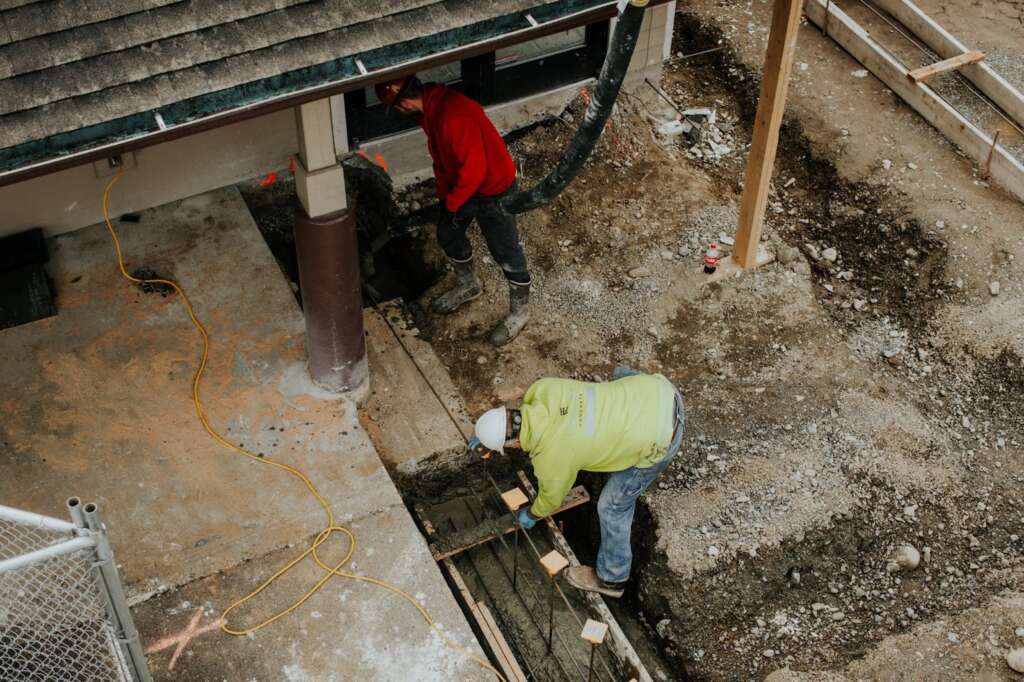
Discharge routing determines whether the removed water stays away. The outlet must extend far enough from the foundation walls. Poor placement allows water to return underground. Proper slope carries water downhill naturally. Some properties require longer extensions due to grading. Correct routing prevents repeat saturation.
Interior Installation for Existing Homes
Interior sump pump installation fits well in existing basements. Plumbing contractors install the basin by cutting a small slab section. This interior method avoids exterior excavation. It captures water after it reaches the foundation perimeter. Many homeowners prefer this option for finished spaces. The system operates quietly beneath the floor.
How Sump Pump Systems Protect Building Foundations
Foundations are constantly under pressure from groundwater moving through the surrounding soil. That moisture builds quietly and stresses walls, slabs, and joints over time. Sump pump installation addresses this movement by directing water away from vulnerable areas. That focused protection explains why these systems matter for long-term foundation stability.
Improve Reliability Through Proper Installation
Proper installation determines how reliably a sump system performs under stress. Equipment choice, placement accuracy, and system layout affect long-term operation. Inadequate installation increases the risk of failure during heavy rainfall. Professional craftsmanship supports consistent foundation protection.
Choose Correct Basin Depth and Pump Capacity
Basin depth controls how much water the system can manage before activation. Shallow basins cause frequent cycling and unnecessary wear. Pump capacity must match soil conditions and groundwater volume. Larger properties often require higher-capacity units. Correct sizing improves efficiency and operational lifespan. Balanced selection prevents performance strain.
Maintain Electrical Safety and Power Stability
Sump pumps rely on dependable electrical connections to function correctly. Dedicated circuits reduce the risk of overload during storms. Ground fault protection improves safety in damp environments. Secure wiring prevents accidental shutdowns. Alarm features alert owners to power interruptions. These safeguards support uninterrupted system operation.
Seal Components and Integrate Drain Systems
Sealed basin covers limit moisture vapor from escaping into the basement. Loose covers increase indoor humidity levels. Proper integration with drain tiles improves water flow efficiency. Tight connections prevent leaks and backflow. Each component must align correctly for smooth operation. Proper sealing supports stable moisture control.
Strengthen Pump Performance With Drainage Systems
Drainage systems improve pump performance by efficiently directing water. Coordinated drainage reduces strain on the pump. Lower system stress enhances durability. Balanced water movement supports long-term reliability.
Coordinate Interior Drain Tile Systems
Interior drain tiles run along the foundation perimeter beneath the slab. These channels intercept groundwater before it reaches the surface. Water flows directly toward the sump basin. This setup manages steady seepage efficiently. Reduced surface moisture protects wall materials. Consistent capture supports system stability.
Control Exterior Drainage and Soil Grading
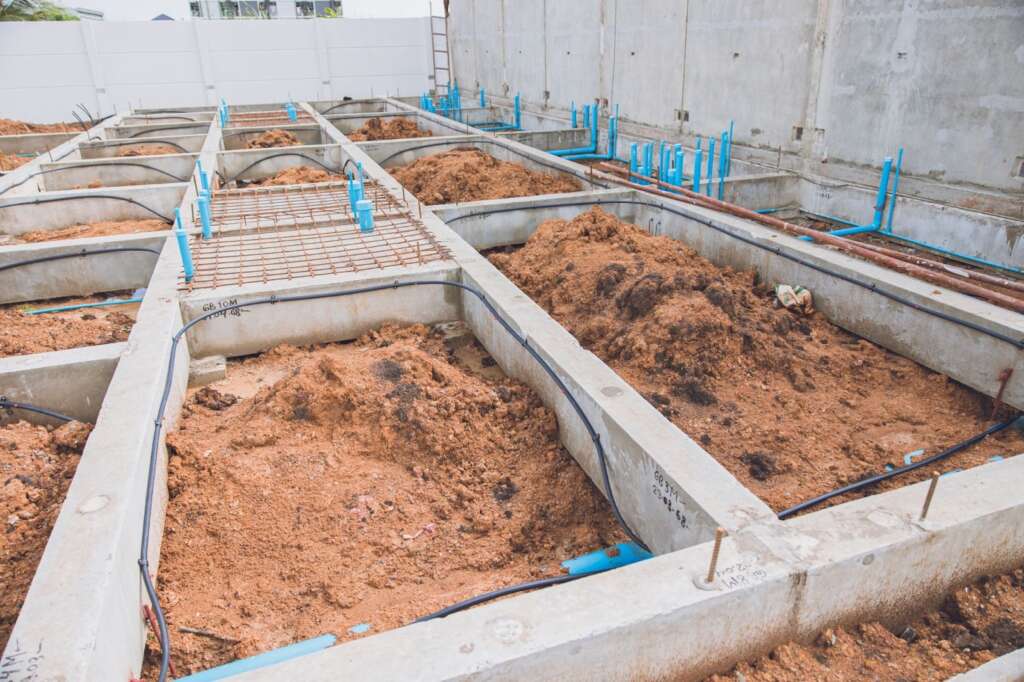
Exterior drainage manages water before it reaches foundation walls. Footing drains collect groundwater at the base of walls. Proper grading directs surface runoff away from the structure. Downspout extensions move roof water outward. These measures reduce interior system demand. Lower water volume improves reliability.
Reduce Surface Runoff Near Foundations
Surface runoff increases pressure during storms. Hard surfaces funnel water toward foundations. Poor grading worsens this accumulation. Adjustments redirect water toward safe drainage areas. Clean gutters support proper flow paths. Surface control reduces subsurface stress.
Maintain Operation During Power Interruptions
Power interruptions often coincide with severe weather. Water pressure increases when systems shut down unexpectedly. Backup solutions maintain water control during outages. Continuous operation protects foundations under stress.
Support Pump Function With Battery Backups
Battery backups activate when primary power fails. These systems operate independently for several hours. Capacity depends on battery size and water volume. Regular testing keeps systems functional. Replacement schedules vary by usage. Battery backups provide dependable short-term support.
Use Water-Powered Backup Pump Options
Water-powered backups use municipal water pressure for operation. These systems require no electricity or batteries. They suit properties with a reliable water supply. Installation requires proper plumbing connections. Performance depends on local pressure levels. Water-powered systems offer steady backup operation.
Monitor System Status With Alert Features
Monitoring features improve response awareness. Alarms signal rising water levels promptly. Some systems send mobile notifications. This technology identifies issues quickly. Faster awareness limits damage potential. Monitoring supports informed property oversight.
Stabilize Indoor Conditions Through Moisture Control
Moisture control affects comfort and air quality throughout the property. Basements trap humidity without proper water management. Sump pump installation supports balanced indoor conditions. Stable moisture improves daily usability.
Lower Basement Humidity Levels Consistently
Standing water raises indoor humidity levels. High humidity causes condensation on walls and pipes. Dehumidifiers work harder under these conditions. Removing groundwater lowers ambient moisture. Improved humidity increases comfort. Controlled conditions support material durability.
Limit Mold Growth Through Water Removal
Mold thrives in damp environments with limited airflow. Basements often provide these conditions. Removing moisture limits mold growth potential. Reduced mold supports healthier air quality. This benefit matters for sensitive occupants. Water control protects both health and structure.
Protect Property Value and Structural Confidence
Water management influences how properties are evaluated financially. Buyers assess moisture history carefully. Sump pump installation reflects responsible ownership. That perception supports long-term value.
Support Buyer Confidence and Resale Appeal
Dry basements attract stronger buyer interest. Inspection reports reflect lower moisture risk. Buyers feel more confident during negotiations. Fewer objections arise over water concerns. Installation records add credibility. These factors support smoother sales.
Reduce Long-Term Structural Repair Frequency
Recurring water damage leads to repeated repairs. Continuous pumping addresses underlying causes. Fewer repairs lower ownership costs. Structural materials last longer under stable conditions. Maintenance becomes predictable. Stability supports long-term planning.
Reinforce Foundation Strength With Sump Pump Installation
Foundations respond to every change in soil moisture, weather patterns, and drainage conditions. When water remains unmanaged, damage progresses quietly and becomes harder to correct. Sump pump installation provides controlled relief by directing groundwater away from structural pressure points. That single decision supports durability, indoor comfort, and long-term property confidence without disrupting daily use.
For more practical insights on protecting your home from hidden water issues, explore Castaneda’s Plumbing and Rooter blog.