
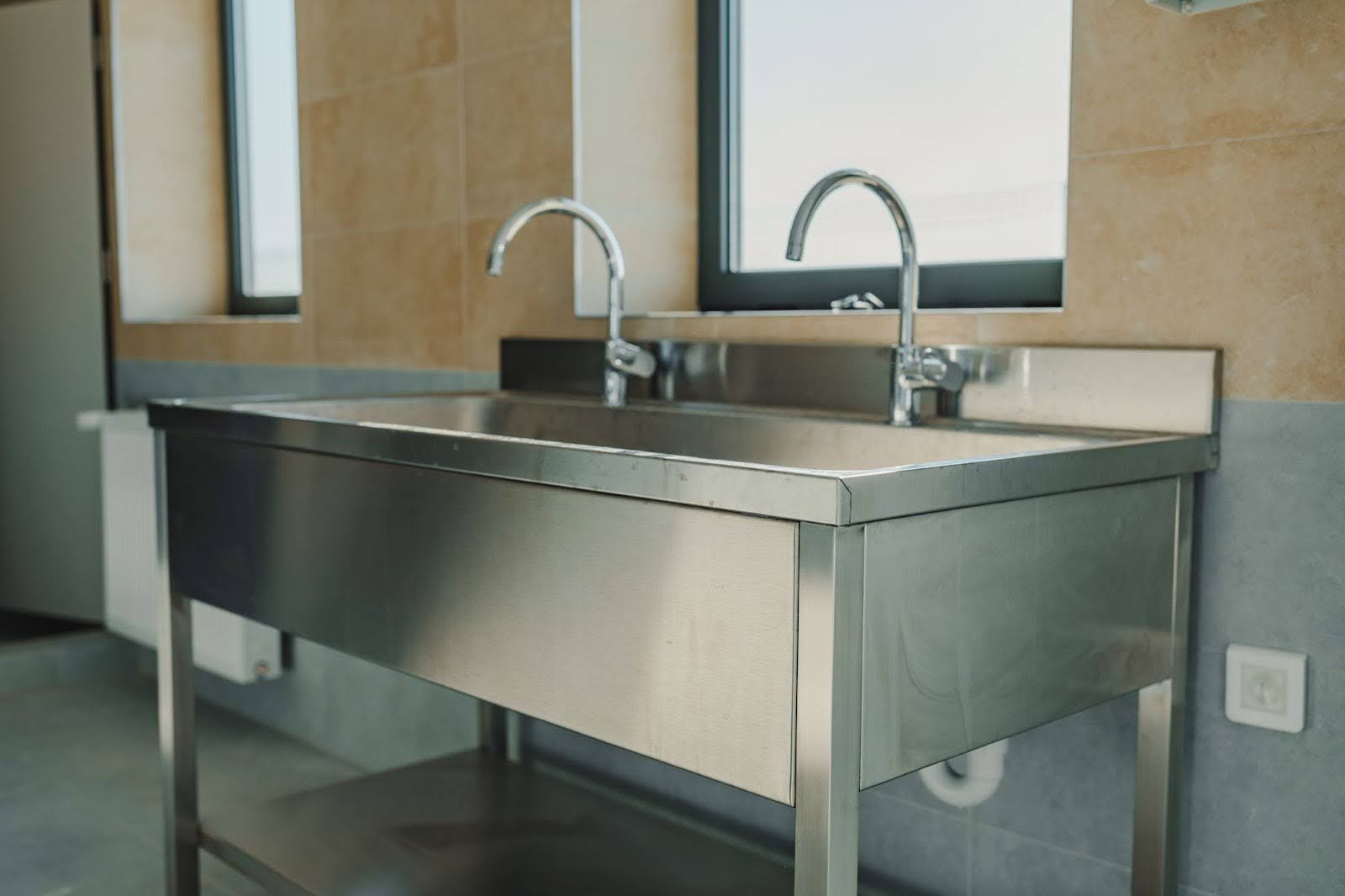
Commercial kitchens depend on garbage disposal repair to efficiently manage food waste, prevent drain clogs, and maintain a clean working environment. But with heavy, constant use, these machines experience greater strain than residential models and are prone to mechanical or electrical issues over time. Understanding the most common garbage disposal problems helps businesses address them early and avoid costly downtime. When properly maintained and serviced, a commercial garbage disposal can run smoothly for years—but neglecting warning signs can lead to breakdowns that disrupt operations and compromise sanitation standards.
Garbage Disposal Jams Are Among the Most Frequent Issues
One of the most common problems in commercial kitchens is a jammed garbage disposal. This occurs when fibrous food waste, bones, or foreign objects get stuck between the blades or in the grinding chamber. Overloading the disposal or forcing non-grindable items into it often causes the motor to seize. In severe cases, the jam can trigger an automatic shutdown for safety. While some jams can be cleared manually, recurring blockages suggest the need for professional repair or maintenance. Regular cleaning and proper use help prevent jams from damaging the motor or dulling the blades over time.
Foreign Objects Cause Unexpected Blockages
Utensils, plastic wrappers, or other debris that accidentally fall into the unit can easily stop the blades and lead to overheating if not removed quickly.
Overloading Strains the System
Feeding too much waste at once overwhelms the blades and motor, reducing efficiency and
shortening the unit’s lifespan.
Slow Drainage Often Points to Garbage Disposal Clogs
When water drains slowly through the sink connected to a garbage disposal, it usually means there’s a partial clog. Grease buildup, starch-heavy foods like rice or potatoes, and stringy vegetables can all accumulate inside the drainpipe. If ignored, this buildup can solidify and completely block the flow of wastewater, forcing it back into the sink. Professional cleaning or hydro-jetting may be required to clear the blockage. Scheduling regular maintenance prevents these clogs from developing and keeps the disposal functioning efficiently even under heavy use.
Strange Noises From a Garbage Disposal Indicate Mechanical Problems
Grinding, rattling, or humming noises are a clear sign that something is wrong inside the garbage disposal. A rattling sound often means a foreign object has entered the chamber, while humming could indicate a jammed motor or dull blades. If left unresolved, these noises can lead to complete motor failure or blade damage. Technicians can inspect the internal components, replace worn parts, and restore the unit’s quiet, efficient operation. Unusual sounds should never be ignored, as they often precede more serious mechanical breakdowns.
Metallic Clanging Should Raise Immediate Concern
This sound typically occurs when metal utensils or hard materials strike the impellers, risking blade misalignment or internal scoring.
Humming Without Grinding Means a Stuck Flywheel
If the motor hums but the blades don’t move, it’s a sign the flywheel is jammed and the system needs to be reset by a professional.
Garbage Disposal Leaks Can Lead to Costly Water Damage
Leaks are another frequent issue in commercial garbage disposal units, often caused by worn gaskets, loose connections, or cracks in the housing. Leaks can occur at the sink flange, dishwasher hose, or drainpipe connections. Even a small drip can create water damage under sinks, attract mold, and compromise electrical components nearby. Immediate inspection and sealing are essential to prevent larger failures. Routine maintenance ensures fittings stay tight and seals remain intact despite daily exposure to moisture and vibration.
Electrical Failures Interrupt Garbage Disposal Performance
A commercial garbage disposal relies heavily on consistent electrical performance. If it suddenly stops working or fails to turn on, the issue may stem from a tripped breaker, faulty switch, or damaged wiring. In high-use environments, power surges or overloading can cause the motor to burn out. Repeated attempts to restart the system can make the problem worse. Professional technicians can test the electrical system, replace components, and verify that the disposal’s wiring meets commercial safety standards.
Resetting the Unit Doesn’t Always Solve the Problem
If pressing the reset button doesn’t restore power, it likely points to a deeper electrical or motor issue that requires inspection.
Worn Wiring Poses Safety Hazards
Frayed or corroded electrical connections can lead to shorts or shocks—problems that need immediate attention to ensure safety compliance.
Dull Blades Reduce the Efficiency of a Garbage Disposal
Over time, the grinding blades inside a garbage disposal lose their sharpness from continuous use. Dull blades struggle to break down food waste properly, leading to blockages and unpleasant odors. The motor then has to work harder to compensate, which increases wear and tear. In commercial environments with high waste volumes, blade sharpening or replacement should be part of routine maintenance. Keeping the blades sharp ensures smoother operation, faster drainage, and fewer mechanical issues overall.
Foul Odors Are a Common Indicator That Garbage Disposal Maintenance Is Overdue
Persistent bad smells coming from the sink or disposal usually mean food waste is trapped somewhere in the system. Small bits of organic matter can cling to the chamber walls or blades, decompose over time, and release odors. Commercial kitchens are particularly vulnerable to this problem because of constant waste input. A thorough cleaning with professional-grade solutions removes buildup and eliminates bacteria that cause the smell. If odors return quickly after cleaning, it may indicate hidden residue or a partial clog that requires repair.
Odors Often Point to Trapped Grease
Grease and fat harden inside the chamber, creating the perfect environment for bacterial growth and foul smells.
Deep Cleaning Restores Freshness
Regularly scheduled cleaning and flushing can help prevent odors from developing and keep the unit quieter.
Garbage Disposal Vibrations Can Signal Mounting or Balance Problems
If the garbage disposal shakes excessively when in use, it may be improperly mounted or have an unbalanced flywheel. Vibration can cause damage to plumbing connections and nearby fixtures if not corrected. In some cases, the unit may have loosened from its mounting ring due to constant vibration or impact from hard materials. Professional adjustment and balancing restore stability and prevent future leaks or mechanical stress. Stable mounting is key to a quiet and durable system.
Clogged Discharge Pipes Require Prompt Garbage Disposal Servicing
When the discharge line leading from the disposal to the main drain becomes clogged, waste can’t exit the system properly. This often causes water to pool in the sink or push back through adjacent drains. The clog may result from grease buildup, non-grindable debris, or even pipe misalignment. Plumbers can remove these blockages with specialized tools and ensure the discharge line slopes correctly to ensure proper flow. Timely cleaning of discharge lines prevents recurring clogs and extends the system’s lifespan.
Motor Burnout Is a Severe but Preventable Garbage Disposal Problem
If the disposal motor stops working entirely or gives off a burning smell, it may have overheated or failed. Overloading, jammed blades, or electrical surges can all lead to burnout. Replacing the motor is often costly, so prevention is key. Avoid running the unit continuously for long periods, and always let cold water flow during operation to reduce friction and heat. Regular inspection ensures the motor runs efficiently and isn’t strained by dull blades or heavy loads.
Overheating Is a Warning Sign
A hot or smoking unit indicates internal strain—shut it off immediately to prevent total failure.
Professional Motor Testing Prevents Future Breakdowns
Technicians can evaluate amperage and torque output to identify early motor fatigue before it becomes irreversible.
Power Supply and Reset Issues in Commercial Garbage Disposal Units
Sometimes, a garbage disposal that won’t start or suddenly shuts off isn’t a mechanical issue at all—it’s electrical. Commercial units have built-in reset buttons that trip when the system overheats or becomes overloaded. Repeated tripping often signals deeper electrical strain, such as a failing capacitor or improper voltage supply. Checking connections, cleaning air vents, and resetting the thermal overload can temporarily fix the problem, but if the issue persists, the unit likely needs professional service to prevent motor burnout or wiring damage.

Improper Cleaning Practices Can Shorten Garbage Disposal Lifespan
Many commercial kitchens make the mistake of using harsh chemicals or excessive hot water to clean their garbage disposals. Over time, these practices corrode metal components and break down rubber seals. Instead, periodic flushing with cool water and enzyme-based cleaners maintains sanitation without damaging internal parts. Training staff on proper operation and cleaning routines ensures the disposal continues running efficiently, reduces odor buildup, and prevents early system failure.
Preventing Garbage Disposal Issues Through Routine Maintenance
Most commercial garbage disposal problems can be avoided with consistent maintenance and proper use. Routine inspections, cleaning, and timely repairs keep the system in optimal condition. Businesses should educate staff on what can and can’t go into the disposal—avoiding bones, grease, fibrous vegetables, and non-food waste. Partnering with a licensed plumbing professional for scheduled maintenance ensures minor issues don’t turn into costly shutdowns. Preventive care extends the life of the garbage disposal and supports a safer, cleaner work environment.
Visit our Castaneda’s Plumbing and Rooter blog to learn more about the most common problems found in commercial garbage disposal units.