
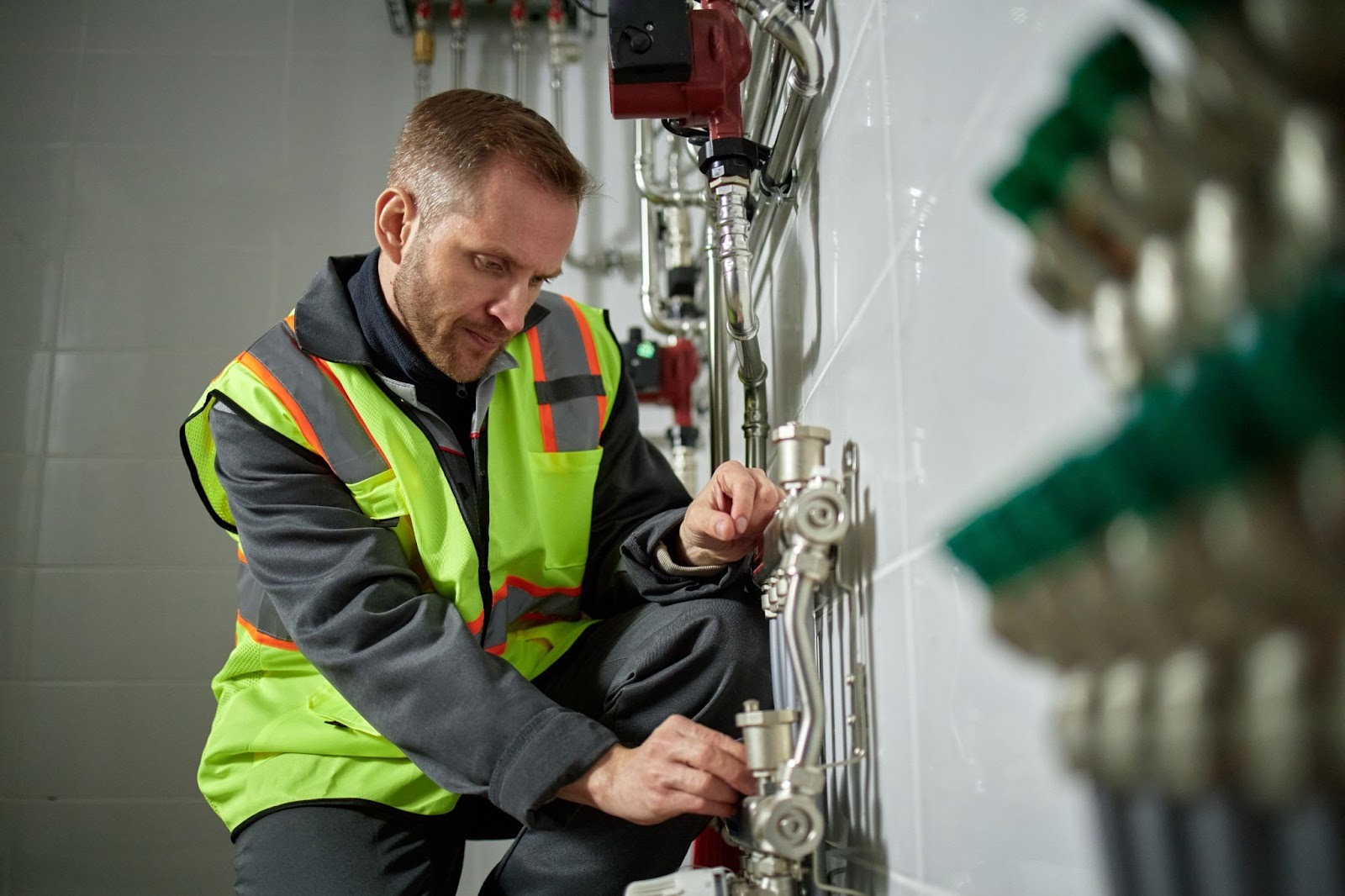
Commercial properties rely on plumbing systems that support employees, customers, and daily operations without interruption. Offices, restaurants, warehouses, and medical facilities place steady pressure on water supply, drainage, and sanitation infrastructure. A commercial plumber understands how scale, occupancy, and regulatory demands affect plumbing performance in business environments. Poor craftsmanship often surfaces during inspections, peak usage, or unexpected breakdowns. That operational reality makes professional commercial plumbing support a strategic business decision rather than a reactive expense.
Why Commercial Plumbing Risks Often Go Unnoticed
Commercial plumbing risks remain invisible because systems operate behind walls, ceilings, and floors. Business owners often focus on visible operations while assuming plumbing will function without intervention. That assumption persists until disruptions affect revenue, safety, or compliance. Understanding why these risks stay hidden changes how businesses approach plumbing decisions.
Plumbing Failures Rarely Announce Themselves
Most commercial plumbing issues develop gradually rather than suddenly. Slight pressure imbalances, minor leaks, or partial clogs often go unnoticed for months. Staff may adapt to slow drains or inconsistent water flow without reporting concerns. Over time, those minor issues strain the entire system. Commercial plumbers recognize early warning signs during routine inspections. That professional awareness prevents quiet problems from becoming operational disruptions.
Responsibility Gaps Create Long-Term Exposure
In many commercial properties, plumbing responsibility feels unclear. Tenants, facility managers, and owners may assume someone else handles system oversight. This shared uncertainty delays maintenance and inspections. Commercial plumbers help clarify responsibility by assessing system ownership and condition. Clear accountability supports timely decisions. Businesses avoid deferred problems caused by assumption-based management.
Business Growth Often Outpaces Infrastructure
Operational growth often outpaces infrastructure planning. Additional staff, equipment, or tenants incrementally increase water demand. Plumbing systems designed for lower capacity begin operating near limits. These gradual changes rarely trigger immediate alarms. Commercial plumbers evaluate whether systems still meet current usage requirements. That assessment prevents overload conditions that compromise performance.
Compliance Risks Accumulate Quietly Over Time
Regulatory standards evolve while plumbing systems remain unchanged. Older installations may fall behind updated codes without obvious signs. Inspections often reveal issues only after standards change. Commercial plumbers monitor code developments relevant to business types. Their guidance helps properties stay aligned before enforcement occurs. Businesses reduce exposure to penalties and operational delays.
Emergency Repairs Mask Underlying System Decline
Quick fixes restore service but rarely address root causes. Repeated emergency repairs normalize system instability. Businesses begin budgeting for breakdowns instead of preventing them. Commercial plumbers evaluate systems holistically rather than symptom by symptom. This broader perspective identifies aging components and design limitations. Long-term planning replaces reactive maintenance cycles.
Why Hiring A Commercial Plumber Matters For Businesses
Hiring a commercial plumber affects far more than repairs or installations. Plumbing decisions shape daily operations, regulatory standing, and long-term cost control. Many businesses recognize plumbing only when disruptions occur, not when systems quietly support growth. Understanding this broader impact sets the stage for the reasons that follow.
Systems Built To Handle High Business Demand
Commercial buildings require infrastructure capable of supporting continuous, high-volume use. These environments place greater strain on pipes, fixtures, and connections than residential properties. When systems fall short, performance declines quickly. Commercial plumbers design and maintain systems to withstand these elevated demands.
Continuous Usage Requires Industrial-Grade Design
Commercial systems operate for extended hours with little downtime. Restrooms, sinks, and equipment often function simultaneously. Residential-grade materials deteriorate under this level of use. Commercial plumbers select components rated for sustained pressure and flow. This professional material choice reduces leaks and breakdowns. Businesses benefit from reliable performance throughout operating hours.
Complex Building Layouts Demand Technical Expertise
Commercial properties rarely follow simple pipe layouts. Lines run through ceilings, service corridors, shared walls, and multiple floors. Diagnosing problems requires familiarity with architectural plans. Commercial plumbers interpret these layouts accurately during repairs and upgrades. That expertise limits unnecessary demolition. Downtime stays controlled and predictable.
Balanced System Loads Prevent Performance Decline
Water demand fluctuates across departments and floors. Uneven distribution causes pressure loss and fixture failure. Commercial plumbers calculate load requirements carefully. This planning supports a consistent flow during peak use. Systems remain stable under pressure. Businesses avoid cascading service issues.
Reliable Water Systems Keep Operations Running
Daily business activity depends on uninterrupted access to water and drainage. Even brief outages disrupt productivity and customer experience. Commercial plumbers prioritize operational continuity in every service decision. Their work supports steady performance across facilities.
Fast Problem Resolution Minimizes Downtime
Commercial plumbers use specialized tools to quickly identify issues. Speed matters when restrooms close or drains fail during business hours. Prolonged outages affect staff efficiency and customer trust. Experienced professionals identify root causes promptly. Repairs proceed efficiently. Businesses return to normal operations sooner.
Maintenance Planning Protects Daily Workflows
Commercial plumbers schedule service around occupancy and peak hours. Maintenance often occurs during off-hours or low-traffic periods. Planned work prevents disruptive emergencies. Businesses maintain control over timing. Staff productivity remains steady. Operations continue with minimal interference.
Compliance Support Protects Business Standing
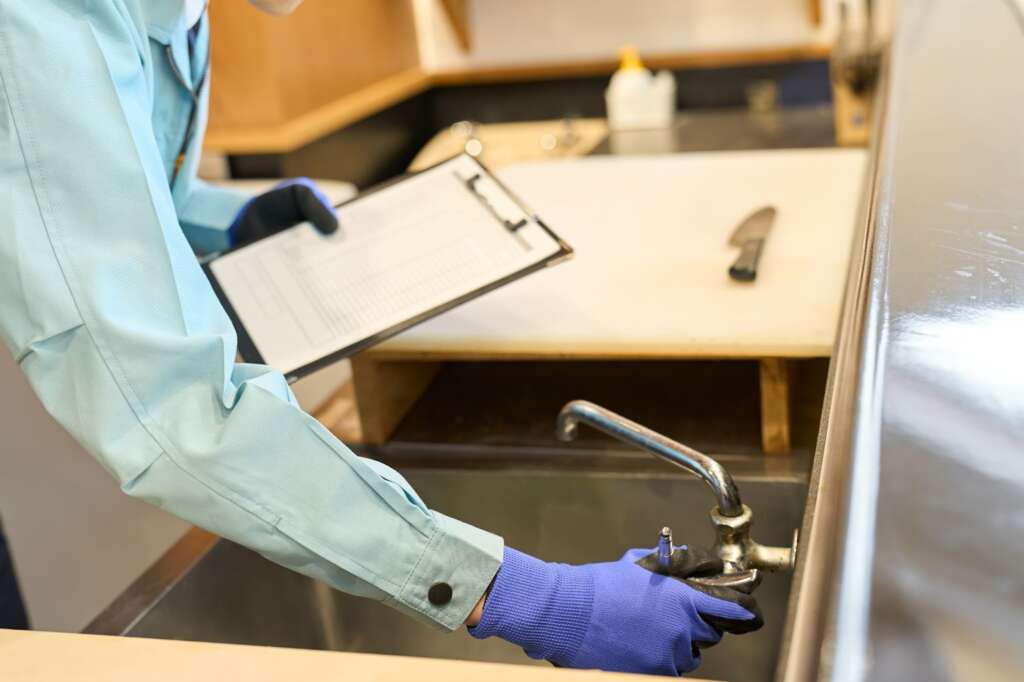
Commercial properties are subject to strict regulatory oversight. Health departments and building inspectors closely review systems. Noncompliance threatens licenses and reputation. Commercial plumbers incorporate regulatory awareness into every project.
Code Knowledge Prevents Inspection Setbacks
Commercial codes govern capacity, accessibility, and safety. These standards exceed residential requirements. Violations may delay permits or trigger fines. Commercial plumbers stay up to date with evolving regulations. Their work aligns with inspection criteria. Businesses avoid costly compliance issues.
Sanitation Oversight Safeguards Public Health
Public-facing spaces face regular sanitation reviews. Improper systems increase contamination risks. Commercial plumbers design layouts that support hygiene standards. Their work protects employees and customers. Clean systems reinforce brand credibility. Inspections proceed smoothly.
Professional Oversight Controls Long-Term Costs
Plumbing decisions influence long-term operating expenses. Temporary fixes often create recurring problems. Commercial plumbers focus on durability and planning. This approach supports predictable budgeting.
Preventive Care Reduces Emergency Repair Spending
Routine inspections identify issues before failure occurs. Minor repairs cost less than emergency responses. Commercial plumbers tailor maintenance schedules to system usage. Businesses gain cost predictability. Budget planning improves. Unexpected expenses decline.
Durable Components Lower Replacement Frequency
Commercial-grade materials withstand pressure and wear. These components resist corrosion and stress. Longer lifespans reduce replacement cycles. Businesses save on labor and materials. Systems remain dependable. Operational continuity improves.
Asset Protection Reduces Property-Related Risk
Water damage poses a serious threat to commercial properties. Leaks and backups affect structures and assets. Commercial plumbers prioritize prevention. Their work protects property value.
Early Detection Limits Structural Damage Exposure
Hidden leaks weaken walls and foundations over time. Moisture encourages mold growth. Commercial plumbers use detection tools to locate issues early. Repairs stop damage progression. Buildings retain integrity. Insurance exposure decreases.
Drainage Reliability Protects Interior Spaces
Drainage systems manage large wastewater volumes daily—blockages cause flooding and contamination. Proper slope and venting maintain performance. Commercial plumbers keep drainage systems efficient. Interior spaces remain usable. Safety risks decline.
Industry-Specific Experience Improves System Performance
Different industries impose different infrastructure demands. Restaurants, offices, and industrial facilities vary widely. Commercial plumbers adapt solutions accordingly. This flexibility improves outcomes.
Food Service Operations Require Specialized Handling
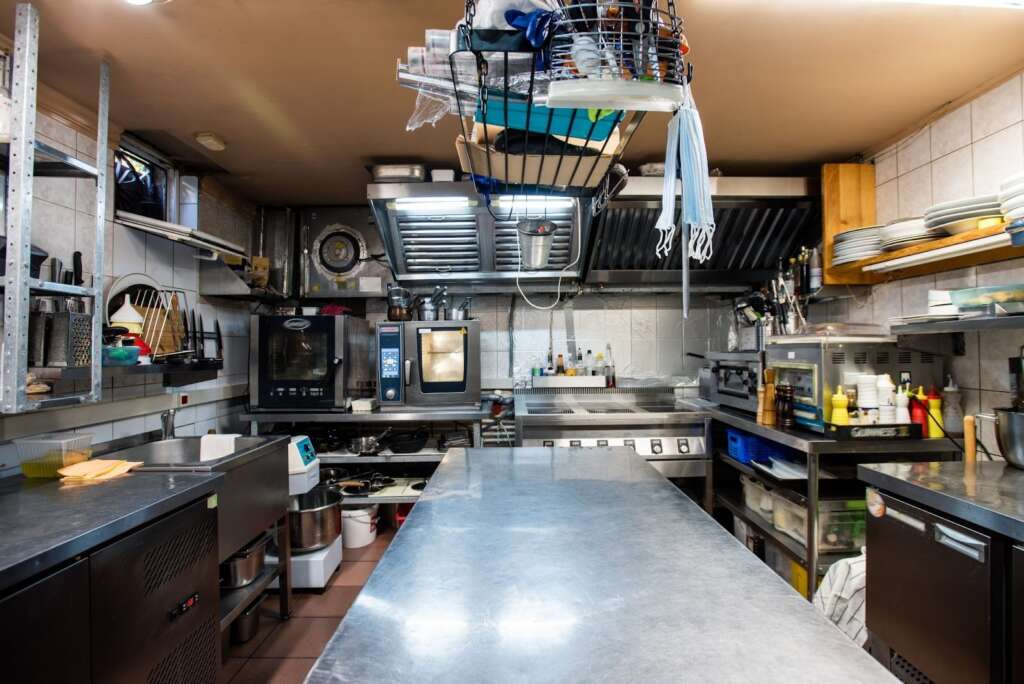
Restaurants rely on grease traps and high-capacity drains. Poor maintenance leads to odors and backups. Commercial plumbers understand food service regulations. Systems meet sanitation requirements. Kitchens operate smoothly. Health inspections proceed without issue.
Office Environments Depend On Consistent Service
Office buildings support high occupancy throughout the day. Restroom reliability affects tenant satisfaction. Commercial plumbers design systems for balanced pressure. Consistent flow prevents complaints. Tenants experience fewer disruptions. Property managers maintain trust.
Scalable Infrastructure Supports Business Growth
Business growth increases system demand over time. Infrastructure must adapt without disruption. Commercial plumbers plan for scalability. Their foresight supports expansion.
Forward-Planned Systems Allow Seamless Expansion
Commercial plumbers size systems for future capacity. Layouts accommodate additional fixtures and equipment. Businesses avoid complete overhauls. Expansion becomes manageable. Infrastructure supports growth. Planning delivers long-term value.
Upgrade-Ready Designs Reduce Future Disruption
Access points allow phased improvements. Upgrades occur without extensive demolition. Businesses implement changes strategically. Operations remain stable. Planning reduces friction. Growth aligns with infrastructure readiness.
Professional Accountability Reduces Business Liability
Commercial service work carries safety and liability concerns. Qualified professionals operate under defined standards. Accountability protects business owners. Commercial plumbers follow regulated practices.
Licensing And Insurance Protect Ownership Interests
Licensed professionals meet training requirements. Insurance covers accidents and damage. Businesses avoid direct liability exposure. Documentation supports transparency. Work meets industry benchmarks. Risk remains controlled.
Ongoing Training Maintains Service Reliability
Industry standards evolve with technology and regulation. Commercial plumbers pursue continued education. Updated training improves diagnostics. New methods increase efficiency. Businesses receive current solutions. Service quality remains consistent.
Rely On A Commercial Plumber For Operational Stability
Operational stability depends on systems that work consistently without drawing attention. Plumbing failures rarely stay isolated, and they tend to surface at the worst possible moments for a business. Relying on a commercial plumber shifts oversight from reaction to control, allowing issues to be addressed before they interfere with people, processes, or compliance. That level of professional support gives business owners the confidence to focus on operations, knowing their infrastructure can support what comes next.
Visit the Castaneda’s Plumbing and Rooter blog for practical insights that help businesses stay prepared and informed.