
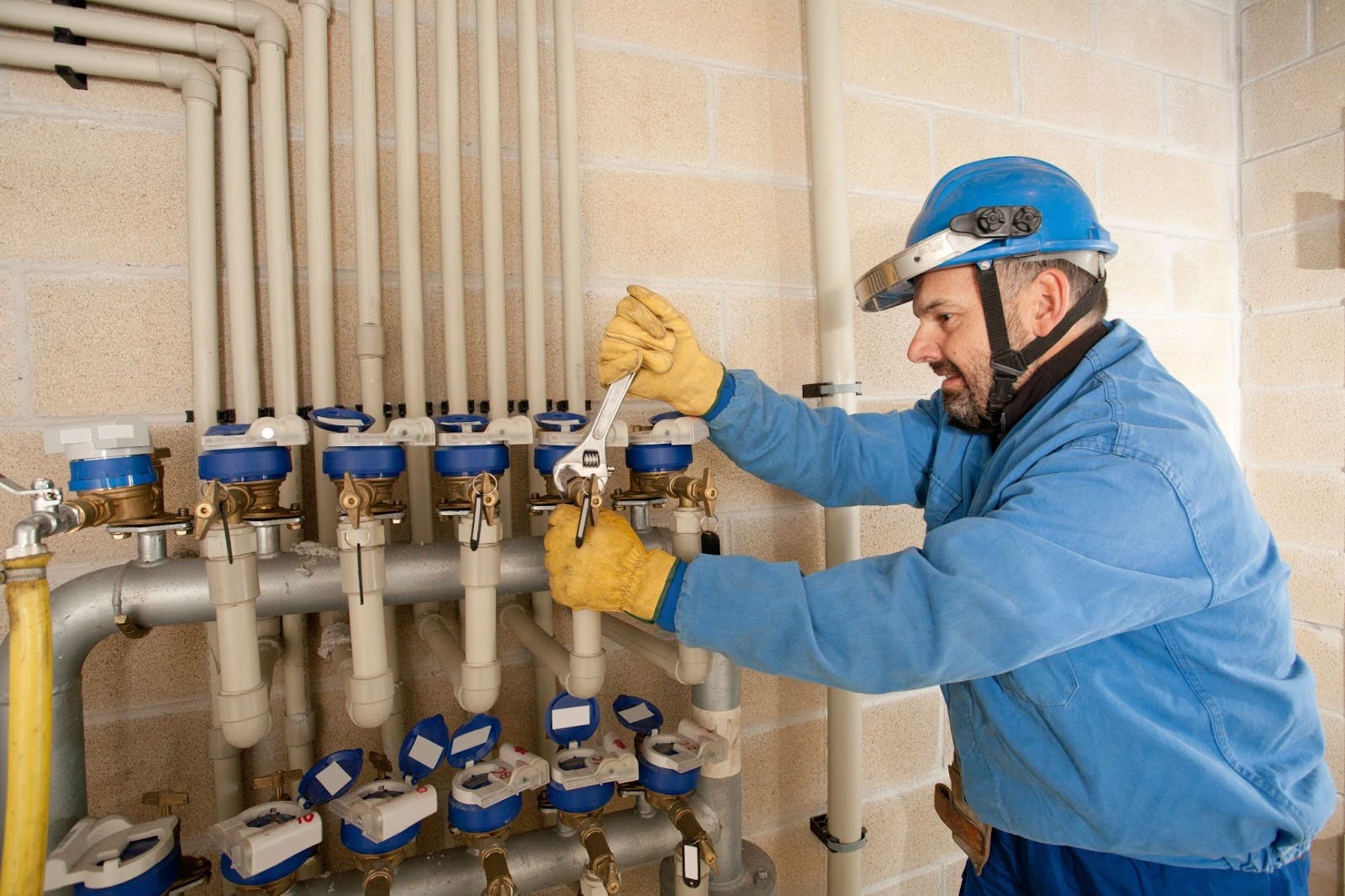
Commercial plumbing sits at the center of daily business operations, even when it goes unnoticed. Employees depend on working restrooms, customers expect clean facilities, and equipment often relies on steady water flow. When plumbing issues appear, they rarely stay contained and usually ripple through schedules, staffing, and revenue. Many of these problems do not start as emergencies but grow quietly over time through daily use and deferred maintenance. Business owners who recognize how commercial plumbing behaves under pressure gain stronger control over costs, compliance, and long-term reliability.
How Water Systems Influence Business Performance
Water systems affect far more than basic building function in commercial settings. They simultaneously influence employee productivity, customer experience, regulatory compliance, and operating costs. When restrooms fail, or pressure becomes inconsistent, disruptions extend beyond mere inconvenience and begin to interfere with daily workflows. These system issues often create hidden inefficiencies that drain time, focus, and resources. Customer perception also suffers when water-related problems appear in visible areas. In regulated industries, system reliability directly affects inspection outcomes and operational continuity. This broader impact explains why recurring system issues signal deeper operational exposure rather than isolated maintenance concerns.
What Causes Ongoing Issues in Commercial Plumbing Systems
Recurring commercial plumbing problems usually stem from daily operating demands rather than isolated failures: high traffic, aging infrastructure, and inconsistent maintenance place continuous stress on pipes and fixtures. Over time, these pressures reveal vulnerabilities that routine repairs cannot fully resolve. Recognizing these contributing factors helps explain why commercial plumbing requires a proactive, system-wide approach.
Constant System Load In High-Use Properties
Commercial-grade water systems are built for sustained demand rather than occasional use. Offices, restaurants, clinics, and retail spaces push water infrastructure far harder than residential buildings. That constant workload accelerates wear across pipes, fixtures, and internal components. Recognizing this operating reality explains why problems surface more often and require consistent oversight.
High Water Demand Causing Stress On Pipes
High water demand means multiple fixtures operate simultaneously for extended periods. Pipes experience sustained pressure without recovery breaks, common in residential use. Over time, that pressure weakens joints, valves, and pipe walls from the inside. Minor warning signs, such as pressure fluctuations or pipe noise, often indicate developing strain. Without monitoring, these symptoms worsen until failure occurs. Tracking usage trends allows property managers to spot irregular patterns before damage escalates.
Component Wear Due to Frequent Fixture Use
Fixtures in shared spaces endure constant use from staff and visitors. Handles loosen, seals thin, and internal parts degrade faster under repetitive motion. Minor drips may appear insignificant, but they steadily increase water loss and costs. As wear progresses, fixtures become unreliable during peak hours. Routine inspections identify failing parts before service disruptions occur. Consistent fixture maintenance protects both functionality and customer perception.
Declining Drain Performance Due to Daily Business Use
Drain systems in business settings handle higher waste volumes every day. Food particles, paper products, and cleaning residue continuously enter the lines. Over time, this material restricts flow and stresses downstream piping. Without intervention, minor slowdowns evolve into backups that disrupt operations.
Grease Buildup Gradually Restricts Drain Flow
Grease enters drains through everyday kitchen activities and dishwashing. While liquid initially, grease cools and solidifies inside pipes. Layers accumulate along the pipe walls, narrowing the water passage. Drainage slows first during busy periods when volume increases. Odors often appear before visible blockages develop. Routine grease trap service maintains consistent flow and ensures compliance with health requirements.
Improper Waste Disposal Leads To Repeated Clogs
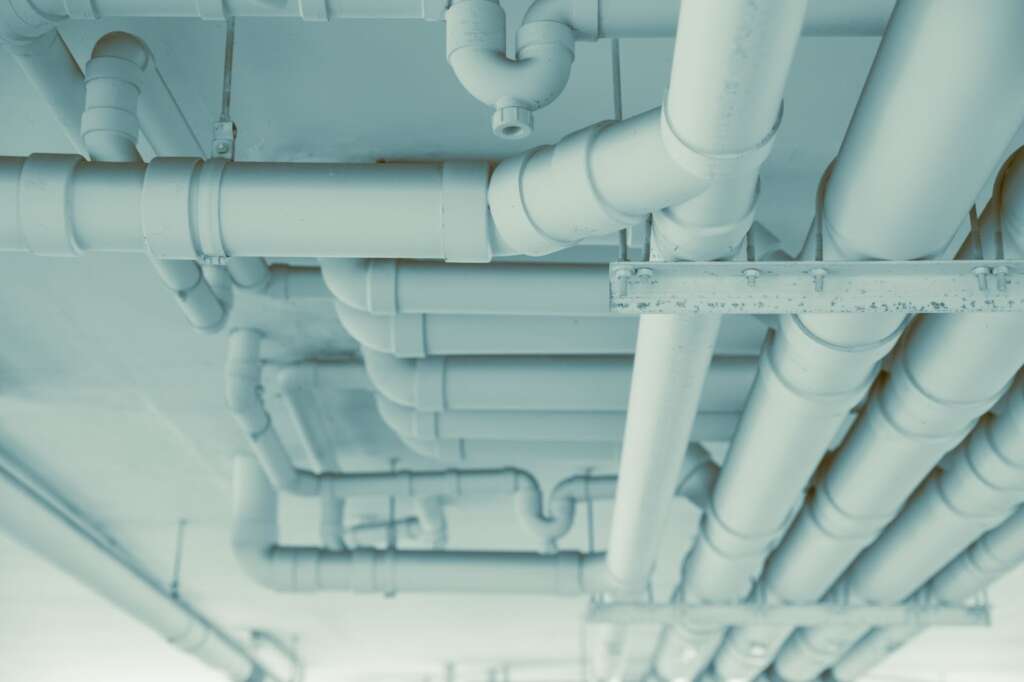
Improper waste disposal happens when non-flushable items enter the system. Paper towels, wipes, and packaging materials lodge easily inside pipes. Repeated misuse creates dense blockages that worsen over time. These clogs place simultaneous stress on drain lines and fixtures. Clear disposal guidelines reduce unnecessary damage to the system. Reinforced habits protect infrastructure across departments.
Aging Drain Pipes Increase Blockage Risk
Older buildings often rely on outdated drain materials. Cast iron and clay pipes corrode or crack internally as they age. Rough interior surfaces trap debris more easily than modern piping. Minor fractures widen under pressure and vibration. Camera inspections reveal internal conditions without disruption. Targeted upgrades restore dependable drainage.
Unstable Water Pressure
Water pressure determines how efficiently a facility functions. Inconsistent pressure frustrates users and damages internal components. High pressure shortens fixture lifespan, while low pressure disrupts workflows. Large buildings must balance force across vast areas and multiple floors.
Faulty Pressure Regulators
Pressure regulators control the incoming water pressure from the supply lines. When regulators fail, pressure fluctuates unpredictably. Pipes may vibrate or produce noise during use. Fixtures deteriorate faster under unstable pressure conditions. Regular regulator testing keeps the force within safe limits. Calibration protects infrastructure over time.
Uneven Water Distribution
Extensive facilities often experience uneven water distribution. Upper floors receive reduced pressure during peak usage periods. Lower levels may simultaneously face excessive force. These imbalances strain fixtures differently across the building. Flow balancing redistributes pressure more evenly. Professional adjustments stabilize system performance.
Hidden Leaks Signaling Deeper Infrastructure Issues
Leaks rarely announce themselves immediately in business environments. Many occur behind walls, above ceilings, or below floors. Moisture spreads quietly and gradually damages surrounding materials. Addressing leaks late increases repair scope and expense.
Corrosion Weakening Pipe Integrity
Water chemistry directly affects pipe durability. Mineral content and acidity slowly erode metal surfaces. Older materials deteriorate faster than modern alternatives. Pinholes release moisture long before visible damage appears. Discoloration or odors often provide early clues. Testing water quality guides upgrade decisions.
Joint Failures Causing Hidden Water Loss
Pipe joints connect sections throughout a facility. Temperature changes cause repeated expansion and contraction. Seals degrade as materials shift daily. Slight separations allow steady dripping behind surfaces. These leaks often persist unnoticed for extended periods. Scheduled joint inspections prevent widespread damage.
Hot Water Interruptions
Hot water supports sanitation, comfort, and routine operations. High-demand systems operate continuously throughout business hours. When failures occur, multiple departments feel the impact at once. Most breakdowns stem from maintenance gaps rather than defective equipment.
Sediment Buildup
Minerals settle at the bottom of heater tanks over time. This buildup insulates heating elements and restricts heat transfer. Systems work harder to maintain target temperatures. Energy consumption increases as efficiency declines. Rumbling sounds often indicate sediment accumulation. Regular flushing restores performance.
Overworked Components
High-demand heaters cycle repeatedly throughout the day. Heating elements wear faster under constant operation. Thermostats lose accuracy with extended use. Temperature inconsistency frustrates staff and occupants. Delayed recovery strains internal components further. Component testing prevents unexpected outages.
Backflow Causing Safety And Compliance Risks
Backflow introduces contaminants into clean water supplies. Complex system layouts increase exposure risk in business properties. Health codes require strict prevention measures. Violations expose owners to penalties and shutdowns.
Cross-Connections Increase Contamination Potential
Cross-connections link potable and non-potable lines. Pressure changes force contaminated water backward. Irrigation systems and equipment connections often create risk points. Without safeguards, contamination spreads quickly. Backflow preventers stop reverse flow effectively. Annual testing confirms proper operation.
Accurate Records Support Regulatory Compliance
Local regulations require documented backflow testing. Inspectors review records during compliance checks. Missing documentation delays approvals and permits. Operations may pause during violations. Professional services manage testing schedules and reports. Organized records simplify inspections.
Sewer Line Failures
Sewer issues disrupt operations quickly and visibly. Odors, backups, and slow drainage halt everyday workflows. Large properties rely on extensive underground lines. External conditions often trigger internal failures.
Tree Roots Damage Underground Sewer Lines
Roots seek moisture and penetrate small pipe openings. Growth widens cracks and traps waste inside. Soil movement increases structural stress on lines. Blockages worsen during heavy usage periods. Sewer cameras locate an intrusion accurately. Targeted repairs prevent repeat damage.
Waste Accumulation Restricts Main Line Flow
Main sewer lines collect waste from multiple sources. Grease and solids accumulate gradually. Restricted flow increases backup risk. Problems surface during peak demand hours. Hydro jetting clears buildup effectively. Scheduled cleaning maintains flow.
Sudden System Failures
Unexpected failures stop business activity immediately. Water damage spreads rapidly through occupied spaces. Staff safety and customer confidence decline quickly. Many emergencies result from postponed maintenance.
Burst Pipes Release Large Water Volumes
Pressure spikes and freezing conditions cause pipe ruptures. Large volumes of water escape rapidly. Equipment and interiors can be damaged within minutes. Accessible shutoff valves limit losses. Staff training improves response time. Inspections reduce rupture risk.
Maintenance Gaps Increase Emergency Frequency
Reactive repairs cost more than planned service. Emergency rates strain operating budgets. Downtime affects revenue and reputation together. Preventive plans spread costs predictably. Routine visits identify developing problems sooner. Maintenance agreements support operational stability.
Improve Commercial Plumbing Reliability Across Facilities
Commercial plumbing reliability strengthens when businesses align maintenance decisions with professional plumbing services that understand high-demand environments. Facilities that rely on qualified service providers experience fewer disruptions, more transparent budgeting, and smoother inspections. Ongoing service relationships help identify risks before they affect staff, customers, or equipment. Partnering with experienced plumbing services allows business owners to focus on operations while maintaining dependable, code-ready systems across every facility.
For deeper insights on commercial plumbing care and facility planning, explore the latest articles on Castaneda’s Plumbing and Rooter blog.