

Garbage disposal installation directly affects how smoothly a commercial kitchen operates each day. Food service businesses rely on uninterrupted waste removal to maintain sanitation and staff efficiency. When installation errors occur, they often surface during busy service periods, disrupting workflow. These disruptions usually lead to costly repairs or temporary shutdowns. Business owners benefit from understanding when professional installation becomes the practical choice rather than a convenience.
Garbage Disposal Installation in Commercial Kitchens
Garbage disposal installation in commercial kitchens involves integrating plumbing, drainage, and electrical systems into one functional unit. This process differs from residential installation because commercial environments handle heavier waste loads and operate for longer hours. Improper setup often strains pipes, delays drainage, and increases inspection risks. Understanding the full scope of installation helps business owners avoid preventable operational issues.
Plumbing Connections For Disposal Systems
Garbage disposal plumbing connects the unit directly to drain lines designed to carry food waste efficiently. Commercial drain systems often feature different pipe diameters and slopes than residential systems. These structural differences affect how waste moves through the system during continuous use. Poor alignment may allow water to pool, which worsens during peak service hours. A licensed plumber evaluates pipe angles and trap placement before installation begins. This evaluation helps maintain consistent drainage under daily operational demands.
Electrical Requirements For Disposal Units
Garbage disposals require a stable electrical supply that aligns with safety codes. Commercial kitchens already operate multiple high-demand appliances simultaneously. Adding a disposal without reviewing circuit capacity can overload the system. These electrical problems often emerge during extended service hours rather than immediately. A plumber coordinates installation with proper electrical provisions. This coordination supports safe operation and prevents unexpected shutdowns.
Sink Compatibility And Mounting Stability
Not all commercial sinks are compatible with every garbage disposal model. Sink thickness and material directly affect mounting stability over time. Weak mounting points loosen as the unit vibrates during use. This movement frequently leads to leaks beneath the sink. A plumber checks compatibility before recommending a disposal unit. That preparation prevents repeated adjustments that disrupt kitchen operations.
Can Business Owners Install A Disposal Themselves
Some business owners consider installing a garbage disposal without professional assistance. This approach often appears practical when viewed as a cost-saving measure. Commercial plumbing systems, however, present complexities that basic instructions do not address. Recognizing these challenges helps owners make informed installation decisions.
Why Self-Installation Seems Manageable
Self-installation seems manageable because disposal units include simplified instructions. Many business owners already perform minor on-site maintenance. This familiarity can create confidence in handling installation work. Commercial plumbing systems require precision beyond basic maintenance skills. Minor setup errors often remain unnoticed during initial operation. These hidden issues typically surface under heavy usage conditions.
Tool Limitations And Skill Gaps
Proper installation requires tools designed for cutting, sealing, and securing commercial pipes. Most businesses do not keep this equipment readily available. Improvised tools often damage fittings and compromise seals. These weakened connections deteriorate under constant vibration. A plumber arrives with specialized tools and technical training. This preparation reduces the likelihood of premature system failure.

Long-Term Risks After Improper Setup
Improper installation may still allow the disposal to function temporarily. Over time, vibration loosens unstable mounts and fittings. Drain lines may begin to back up during high-volume use. Electrical issues may also develop as demand increases. These failures often interrupt service during busy periods. Professional installation minimizes these long-term operational risks.
Why Commercial Plumbing Requires Precision
Commercial plumbing systems support continuous use and higher waste volumes than residential systems. Garbage disposal installation must account for this constant demand to function reliably. Precision during setup protects pipes, fixtures, and connected equipment. Business owners benefit from systems designed for sustained performance.
Waste Volume And Usage Frequency
Commercial kitchens generate steady food waste throughout operating hours. Disposals must process dense and fibrous materials consistently. Residential-grade installations often struggle under this workload. Pipe diameter and drainage capacity must align with waste output. A plumber evaluates these factors before installation. This assessment supports uninterrupted waste flow during service periods.
Grease Control And Drainage Balance
Many commercial kitchens rely on grease management systems to protect sewer lines. Garbage disposals must integrate without disrupting grease separation. Improper installation can cause solids to enter grease traps. This disruption leads to blockages and compliance concerns. A plumber understands how the placement of a disposal affects grease flow. Proper integration protects downstream drainage systems.
Garbage Disposal Installation And Infrastructure Readiness
Garbage disposal installation affects how well a commercial kitchen adapts to future operational changes. Many businesses expand menus, increase volume, or upgrade equipment over time. Plumbing systems that lack foresight often become limiting factors. Infrastructure readiness helps owners avoid repeated system modifications.
Planning For Increased Waste Output
Commercial kitchens rarely operate at static capacity. Seasonal demand, menu changes, and growth plans increase food waste volume. Disposal systems installed without growth considerations may struggle later. This limitation often forces premature upgrades or replacements. A plumber assesses the projected waste load during installation. This planning supports long-term system resilience.
Compatibility With Future Equipment Upgrades
Kitchen upgrades often introduce new appliances and prep stations. Each addition changes drainage demand and waste flow. Disposal installations that ignore this evolution can restrict layout changes. These restrictions increase renovation costs later. A professional installer considers future equipment integration. This foresight preserves layout flexibility.
Avoiding Rework During Renovations Or Expansions
Renovations often expose weaknesses in earlier plumbing decisions. Disposal systems installed without documentation complicate redesign efforts. Contractors must then trace undocumented connections. This uncertainty slows renovation timelines. Professional installation includes clear records and standardized layouts. Proper documentation simplifies future construction work.
Licensed Plumbers And Installation Standards
Licensed plumbers bring formal training and accountability to garbage disposal installation. Their work aligns with current building codes and health regulations. This oversight reduces the likelihood of compliance issues. Business owners gain confidence in installations that meet inspection standards.
Health Code And Inspection Compliance
Health departments regularly inspect commercial kitchens for sanitation risks. Improper disposal or installation often draws scrutiny during inspections. Inspectors closely assess drainage flow and waste handling. A licensed plumber installs with these standards in mind. This preparation reduces the risk of violations. Compliance supports uninterrupted business operations.
Leak Prevention And Property Protection
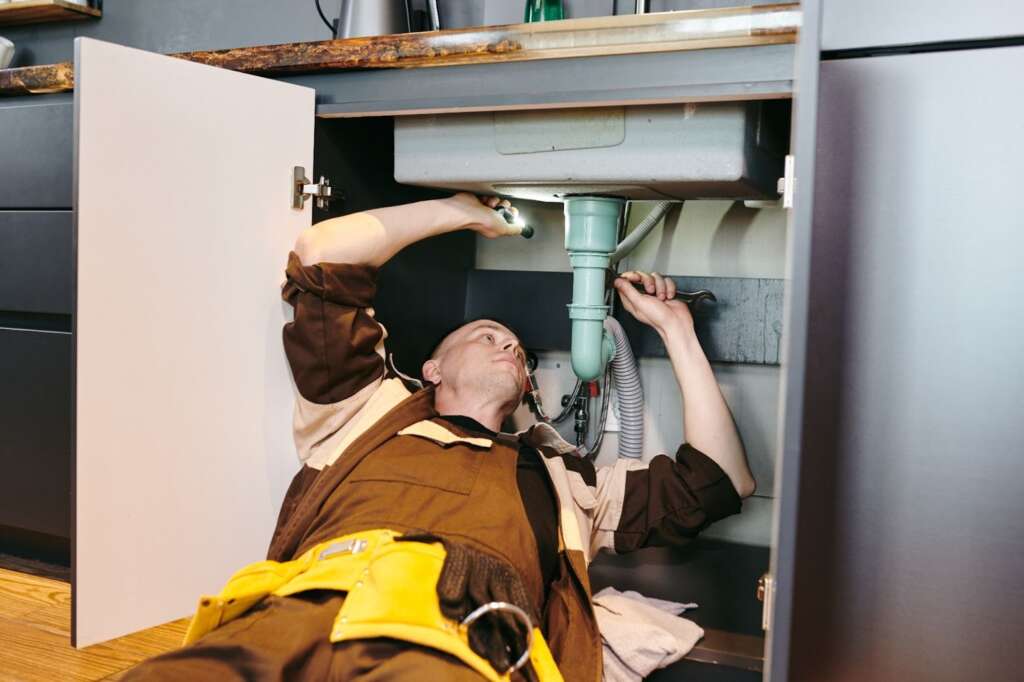
Leaks beneath commercial sinks often remain unnoticed during busy shifts. Over time, moisture damages cabinetry, flooring, and nearby walls. Mold growth may follow, creating health concerns. A plumber seals all connections correctly during installation. Secure fittings withstand vibration and pressure changes. This attention protects the property from hidden damage.
Garbage Disposal Installation And Business Risk Exposure
Garbage disposal installation influences more than plumbing performance because it directly affects business risk exposure. Commercial kitchens operate within layered responsibility structures involving owners, managers, inspectors, and vendors. Installation decisions often determine who carries liability when failures occur. Understanding this risk chain helps business owners protect operations beyond daily functionality.
Liability Shifts When Installation Fails
Improper installation often shifts liability away from manufacturers and onto businesses. Warranty clauses frequently exclude coverage for unlicensed or noncompliant installation work. This exclusion leaves owners responsible for damage, repair costs, and downtime. Insurance claims may also face scrutiny if installation records lack professional documentation. A licensed plumber provides verifiable proof of compliant installation. This documentation supports claims and reduces dispute risk.
Internal Accountability Within Commercial Teams
Commercial kitchens operate with shared responsibility across ownership and management teams. Installation decisions often fall between maintenance staff and executive oversight. When failures occur, unclear responsibility slows resolution and increases downtime. This operational ambiguity frustrates staff and vendors alike. Professional installation creates a clear accountability trail. Clear responsibility improves response speed when issues arise.
Vendor And Inspector Relationships Over Time
Inspectors and service vendors remember recurring issues within properties. Repeated drainage or disposal failures can raise scrutiny during inspections. This scrutiny may lead to stricter evaluations and longer approval times. Vendors may also adjust pricing based on perceived system reliability. Professional installation signals operational diligence to external partners. Strong vendor confidence supports smoother long-term operations.
Cost Considerations For Professional Installation
Professional installation involves upfront costs that many business owners evaluate carefully. These costs should be compared with repair expenses and downtime losses. Planned installation provides predictable budgeting. Long-term savings often outweigh initial service fees.
Installation Cost Versus Repair Expense
Professional installation carries a defined service cost. Repairs from improper setup often exceed that amount. Emergency plumbing visits increase expenses due to urgency. These visits usually occur during peak operating hours. Avoiding emergencies protects revenue stability. Planned installation keeps expenses controlled.
Operational Downtime And Service Impact
A malfunctioning disposal can quickly halt kitchen operations. Staff struggle with waste management when systems fail. Sanitation risks increase as waste accumulates. Temporary fixes rarely address underlying problems. Professional installation reduces downtime risks. Consistent operation supports customer service quality.
Maintenance Planning And Lifecycle Value
Professional installers often provide maintenance guidance after setup. This guidance helps extend disposal lifespan. Scheduled maintenance prevents unexpected failures. Business owners can plan services during slower periods. This planning reduces operational strain. Long-term reliability improves overall system value.
Standardize Garbage Disposal Installation Across Facilities
Garbage disposal installation becomes far more effective when it follows a consistent standard across locations. Uniform installation practices reduce maintenance variability, simplify inspections, and clarify accountability for internal teams. They also help vendors service equipment faster because system layouts remain familiar. Businesses that standardize installation practices gain tighter operational control and fewer surprises as facilities grow or change.
Commercial kitchens run better with informed decisions. Learn more by reading Castaneda’s Plumbing and Rooter blog.