
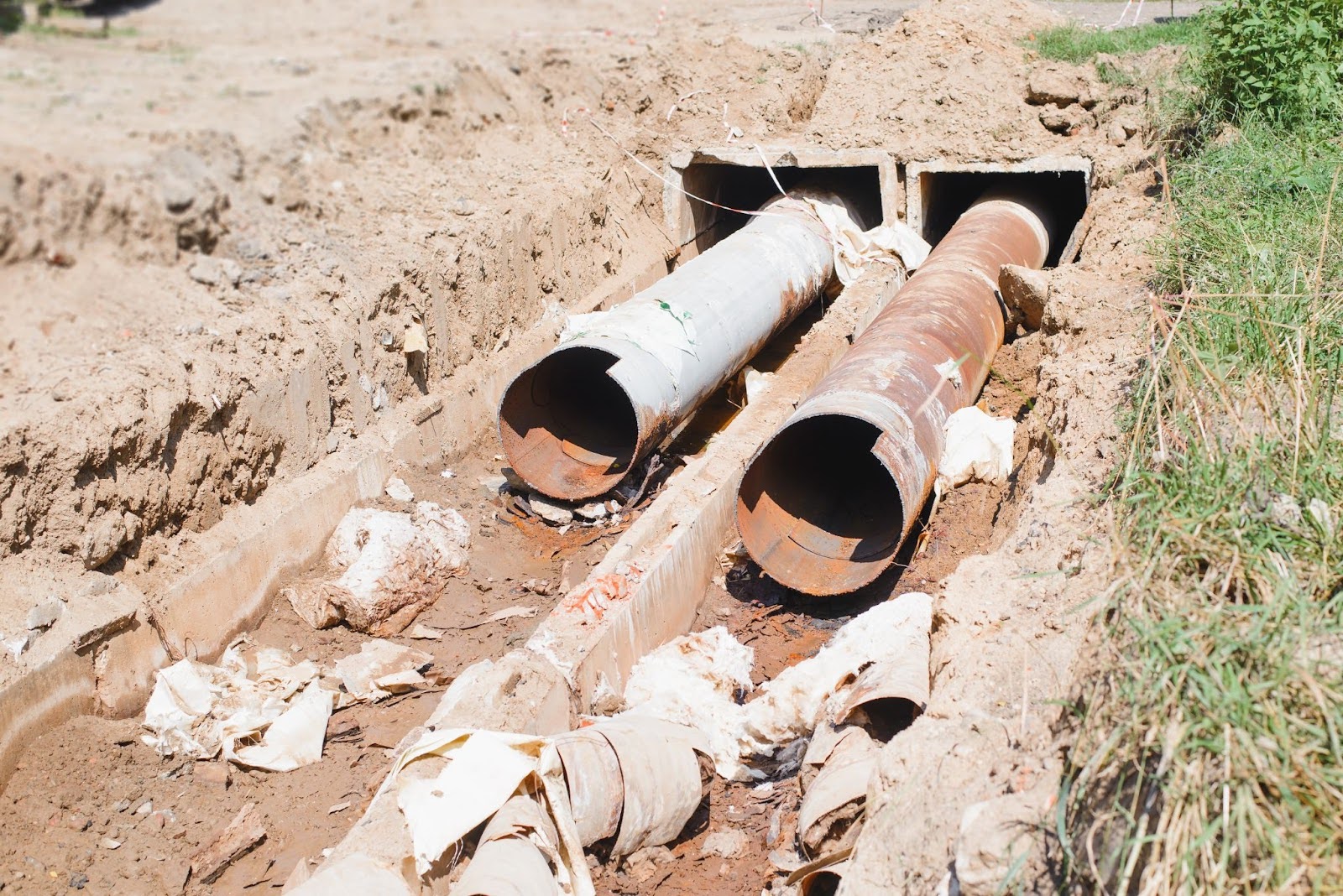
Sewer pipes run beneath homes and commercial buildings, quietly supporting daily operations that most owners rarely think about. When those pipes crack, collapse, or corrode, the consequences move beyond plumbing concerns and into real health territory. Odors, moisture, and contamination often surface gradually, making the source easy to overlook. Property owners may focus on visible damage while unseen exposure continues to affect occupants. Recognizing how sewer pipe damage influences health helps owners make informed decisions before problems grow harder to manage.
Health Exposure Caused by Damaged Sewer Pipes
Damaged sewer pipes expose occupants to harmful substances by allowing waste, gases, and moisture to escape into places meant to stay clean and dry. This exposure does not usually appear all at once but builds as leaks persist and spread. Over time, contaminants reach living areas, storage spaces, and surrounding soil. Understanding these exposure pathways helps explain why health issues often appear before structural damage becomes obvious.
Wastewater Contact From Broken Sewer Lines
Wastewater contact begins when damaged sewer pipes release sewage into basements, crawl spaces, or the surrounding ground. This wastewater carries bacteria, viruses, and chemical residues from household and commercial use. People may encounter it during cleanup, maintenance, or routine movement through affected areas. Even limited contact can introduce harmful microorganisms to skin or clothing. Repeated exposure increases the likelihood of infections and digestive illness. This pattern often explains why symptoms appear without a clear, immediate cause.
Surface Contamination Inside Buildings
Surface contamination develops as sewage moisture spreads across floors, walls, and stored materials. Porous surfaces absorb contaminants, allowing bacteria to remain active beneath the surface. Occupants then transfer pathogens through touch, food handling, or the use of personal items. Standard cleaning removes visible residue but often misses deeper contamination. Illness may recur despite efforts to sanitize affected areas. This lingering contamination underscores the need to address the source rather than just the symptoms.
Shared System Risks in Multi-Unit Properties
Shared sewer systems allow contamination to travel between connected units in residential and commercial buildings. A single damaged section can affect multiple occupants through standard lines. Symptoms may appear sporadically, making the issue difficult to trace. Reporting delays often prolong exposure for everyone involved. Property managers face challenges coordinating inspections and repairs. This shared risk increases health concerns and legal responsibilities for owners.
Health Dangers Linked to Sewer Pipe Damage
Damaged sewer pipes affect far more than drainage performance, influencing air quality, sanitation, and daily comfort within a property. These hidden issues often develop out of sight, allowing health risks to build before owners recognize a clear problem. Understanding these dangers provides a more straightforward path to the specific health risks outlined next.
Indoor Air Conditions Degrade From Pipe Failure
Indoor air conditions decline when damaged underground lines release gases and moisture into enclosed spaces. These pollutants circulate through rooms and ventilation systems, gradually altering how indoor spaces feel and function. Because the change happens over time, occupants often adapt without recognizing the source. As air quality worsens, comfort decreases, and physical symptoms become harder to ignore.
Gas Buildup That Affects Breathing Comfort
Gas buildup occurs when compromised lines allow methane and other compounds to escape into indoor spaces. These gases irritate the airways and reduce overall breathing comfort. Short-term exposure often causes headaches or dizziness, especially in poorly ventilated areas. Over time, occupants may experience persistent throat irritation or breathing strain. Sensitive individuals notice symptoms first, while others normalize the discomfort. This gas presence often signals broader system failure below the surface.
Persistent Odors That Disrupt Daily Occupancy
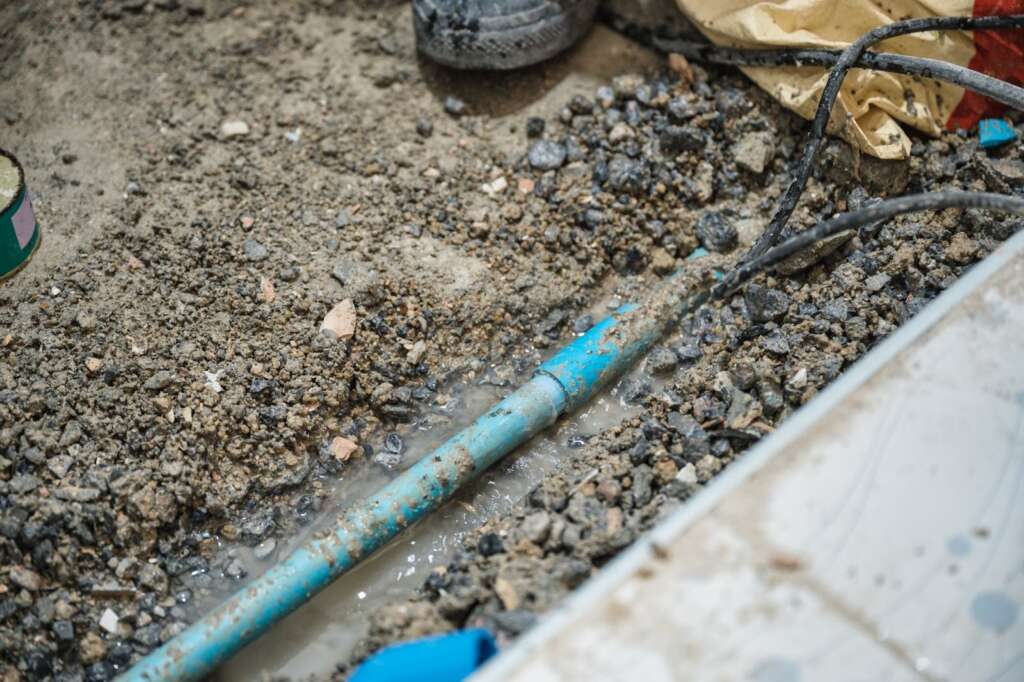
Persistent odors develop when waste gases move upward through cracks and drain connections. These smells linger because they originate from continuous leakage rather than isolated events. Occupants report reduced concentration and increased stress as odors remain unresolved. Businesses may notice shorter customer visits and employee dissatisfaction. Masking agents temporarily reduce smell but not the cause. Odor persistence often prompts the first serious investigation into underground conditions.
Moisture Imbalances That Alter Air Quality
Moisture imbalances form when leaks raise indoor humidity levels across multiple areas. Damp air feels heavier and less comfortable to breathe. HVAC systems struggle to regulate temperature under these conditions. Condensation forms on walls and ceilings, encouraging further deterioration. Allergies and respiratory irritation worsen as humidity rises. This moisture shift amplifies other indoor air concerns.
Biological Growth Accelerates in Damp Structures
Biological growth increases when moisture levels in building materials remain constant. Damp environments provide ideal conditions for mold and bacteria to spread quietly. Growth often remains hidden while exposure continues. Occupants usually notice symptoms before visible damage appears.
Mold Colonies Forming Behind Walls and Floors
Mold colonies form when moisture saturates drywall, wood, and insulation. Spores are released into the air during everyday movement. Inhalation causes coughing, nasal irritation, and headaches. Prolonged exposure strains the immune system. Mold remains concealed until materials weaken or discolor. This hidden spread complicates cleanup and prolongs discomfort.
Bacterial Activity in Saturated Materials
Bacterial activity increases rapidly in materials exposed to organic waste and moisture. Carpets and padding trap contaminants deep within fibers. As bacteria multiply, they release toxins into the air. Occupants may feel flu-like symptoms without a clear illness. Routine cleaning rarely reaches affected layers. This persistence explains why symptoms continue despite surface-level maintenance.
Subsurface Contamination Spreads Beyond Structures
Subsurface contamination extends outward when underground leakage reaches soil and groundwater. Pollutants travel silently beneath properties and surrounding areas. Exposure often goes unnoticed for long periods. Testing usually reveals the issue after symptoms or damage appear.
Polluted Soil Surrounding Buildings
Polluted soil forms as waste seeps into the ground near compromised lines. Harmful microorganisms remain active in moist soil for extended periods. Children and pets are exposed during outdoor activities—contaminated soil tracks indoors on shoes and equipment. Landscaping and gardening become unsafe without remediation. This spread often affects nearby properties as well.
Drinking Water Sources Become Compromised
Drinking water sources become compromised when contamination reaches groundwater. Private wells are more vulnerable than municipal systems. Pollutants enter water without visual warning signs. Long-term consumption increases health concerns gradually. Testing frequently identifies bacteria and chemical residue. Treatment requires specialized filtration and ongoing monitoring.
Structural Deterioration That Worsens Living Conditions
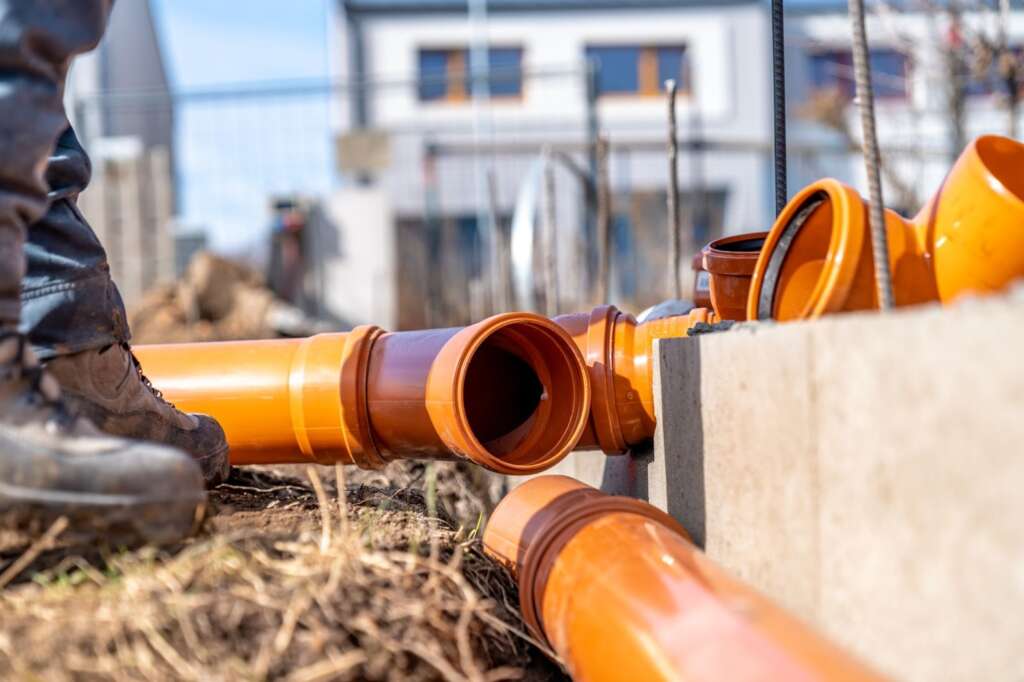
Structural deterioration follows prolonged exposure to moisture and erosion. Underground leakage weakens foundations and supporting materials. These changes create new entry points for contaminants. Repairs become more complex as deterioration advances.
Foundation Instability From Ongoing Moisture
Foundation instability develops as wastewater erodes soil beneath buildings. Shifting ground creates cracks that allow moisture to enter indoors. Damp foundations raise humidity throughout structures. Structural movement opens additional pathways for contamination. Repair difficulty increases with time. Indoor comfort declines as stability worsens.
Crawl Space Conditions That Affect Indoor Areas
Crawl space conditions worsen when leakage collects in low-lying areas. Poor airflow traps moisture and odors below occupied spaces. Maintenance workers are directly exposed during access. Contaminants migrate upward into living areas. Odors persist despite cleaning above ground. These conditions often explain unexplained indoor discomfort.
Pest Infestations Thrive Around Failing Lines
Pest infestations increase when moisture and organic waste remain available. Rodents and insects follow underground pathways into buildings. Their presence introduces additional contamination. Infestations escalate quickly once access is established.
Rodent Movement Through Underground Openings
Rodent movement increases through cracks and weakened pipe joints. These pests carry bacteria and parasites on their fur and droppings. Contamination spreads across surfaces and storage areas. Wiring and insulation sustain damage as rodents nest. Sanitation conditions decline rapidly. Disease transmission risk rises with prolonged activity.
Insect Activity Near Moist, Organic Debris
Insect activity intensifies near damp, waste-rich environments. Cockroaches and flies spread bacteria across indoor surfaces. Food storage and preparation areas become unsafe. Occupants notice infestations quickly. Treatments fail without addressing the source. This presence confirms ongoing underground issues.
Occupied Business Spaces Face Compounding Exposure
Business environments experience broader exposure due to constant occupancy. Underground failures affect staff and customers simultaneously. Complaints escalate faster in shared spaces. Operational challenges follow closely.
Workplace Complaints and Operational Disruptions
Workplace complaints increase as employees experience headaches and irritation. Absenteeism rises during prolonged exposure periods. Employers struggle to identify environmental causes. Inspections may follow repeated reports. Compliance obligations increase alongside documentation needs. Productivity declines as concerns remain unresolved.
Customer Safety Concerns and Brand Impact
Customer safety concerns emerge when odors and sanitation issues persist. Trust erodes as complaints circulate publicly. Inspections may uncover violations tied to facility conditions. Temporary closures disrupt revenue and scheduling. Online feedback amplifies negative impressions. Brand recovery often takes longer than physical repairs.
Warning Signs of Sewer-Related Health Issues
Health risks often appear alongside subtle property changes. Recognizing these signs helps limit exposure. Many owners overlook early indicators. Awareness improves response outcomes.
Physical Symptoms Among Occupants
Recurring nausea often suggests environmental exposure. Respiratory irritation appears without a clear illness. Skin rashes develop unexpectedly. Symptoms improve away from the property. Medical visits reveal consistent patterns. This symptom combination often stems from sewer issues.
Property Clues Indicating Sewer Damage
Persistent odors linger despite thorough cleaning. Walls or floors feel damp without visible leaks. Pest activity increases suddenly. Water bills fluctuate unexpectedly. Drains slow across multiple fixtures. This group of signs points to hidden sewer problems.
Recurring Plumbing Irregularities Across Fixtures
Recurring plumbing irregularities often signal deeper issues beyond routine wear. Multiple drains are slow simultaneously, even after cleaning. Toilets gurgle or lose water unexpectedly. Backups appear intermittently without heavy usage. These patterns suggest pressure changes within underground lines. This plumbing behavior often precedes more visible damage and occupant complaints.
Reduce Exposure by Repairing Sewer Pipes
Damaged sewer pipes create conditions that quietly affect air quality, sanitation, and occupant well-being long before visible failure occurs. When underlying issues remain unaddressed, minor complaints often turn into recurring disruptions that affect both property performance and reputation. Professional sewer inspection and targeted repair bring clarity to what is happening below ground and stop exposure pathways at their source. Addressing sewer pipes with intent and accuracy protects the people inside the property while preserving its long-term stability and value.
Property decisions start with reliable information. Visit the Castaneda’s Plumbing and Rooter blog to learn how plumbing conditions affect long-term performance.