
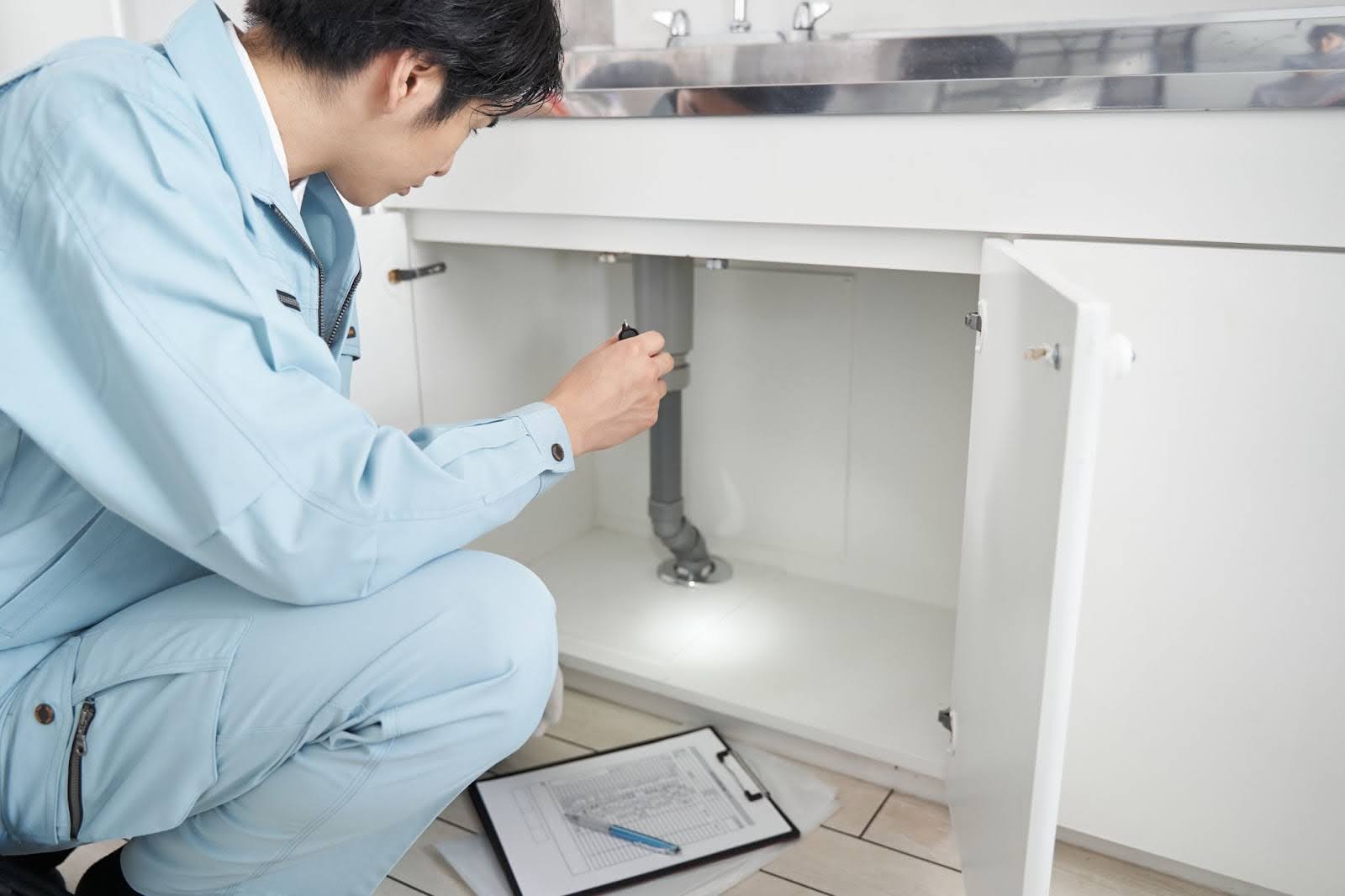
Most homeowners discover plumbing problems only after damage becomes hard to ignore. A sudden spike in the water bill, a lingering damp smell, or a warm spot on the floor often raises concern but offers no clear answers. Hidden leaks create frustration because they sit beyond reach and visibility, slowly affecting the home’s structure. Leak detection services step in to replace uncertainty with precise information and reliable solutions. That clarity allows homeowners to respond confidently without unthinkingly tearing into walls or floors.
Hidden Plumbing Leaks in Residential Properties
Hidden plumbing leaks occur when water escapes from pipes behind walls, beneath flooring, or under concrete foundations. These leaks often remain active for extended periods because they show few visible signs. Moisture spreads quietly through framing, insulation, and subfloors, which worsens damage over time. Leak detection services focus on uncovering these concealed failures before repair costs and structural impact grow further.
Why Concealed Plumbing Leaks Go Unnoticed
Concealed plumbing leaks often go unnoticed because they release water gradually rather than suddenly. Pipes inside walls or slabs muffle sound and hide moisture from view. Homeowners may attribute minor signs to humidity or everyday wear and tear. Water pressure usually stays consistent during the early stages, which reduces suspicion. Moisture can evaporate before pooling appears on surfaces. Leak detection services address these hidden conditions using tools designed to detect what the eye cannot see.
Common Areas Where Hidden Leaks Develop
Hidden leaks frequently develop in areas where plumbing lines run continuously. Bathroom floors and kitchen cabinets conceal supply and drain lines. Slab foundations hide pressurized pipes that operate day and night. Exterior underground lines are subject to stress from soil movement and temperature changes—laundry rooms house hoses and valves under constant pressure. Leak detection services inspect these high-risk zones with targeted methods.
What Leak Detection Services Do for Homeowners
Leak detection services locate the exact source of water loss without unnecessary property damage. These services rely on diagnostic data rather than assumptions or surface clues. Homeowners receive clear findings before any repairs begin. That transparency supports informed decisions and avoids unnecessary disruption.
How Leak Detection Differs From Standard Plumbing
Leak detection differs from standard plumbing inspections because it focuses on precision rather than exploration. Traditional plumbing often relies on visible damage to guide repairs. Detection specialists use testing tools to isolate the problem area accurately. This focused process limits wall and floor removal. Repairs stay confined to the affected section. Homeowners benefit from faster resolution and reduced restoration work.
When Leak Detection Becomes Necessary
Leak detection becomes necessary when signs point to hidden water loss. Rising water bills without explanation often indicate an issue below the surface. Persistent musty odors suggest moisture trapped behind walls. Mold growth without visible leaks raises health concerns. Warm flooring may indicate a problem with the hot water line. Leak detection services confirm these issues before damage spreads further.
Technology Used by Leak Detection Services
Leak detection services rely on advanced tools to accurately locate leaks. Each technology identifies water loss through measurable physical changes. Technicians often combine methods to confirm findings. This layered approach reduces uncertainty and improves accuracy.
Acoustic Leak Detection Equipment
Acoustic leak-detection equipment detects the sound of water escaping under pressure. Sensors amplify vibrations traveling through pipes and surrounding materials. Technicians analyze sound patterns to isolate the leak location. This method works effectively behind walls and beneath concrete slabs. Filtering technology reduces interference from household noise. Leak detection services use these readings to guide precise repairs.
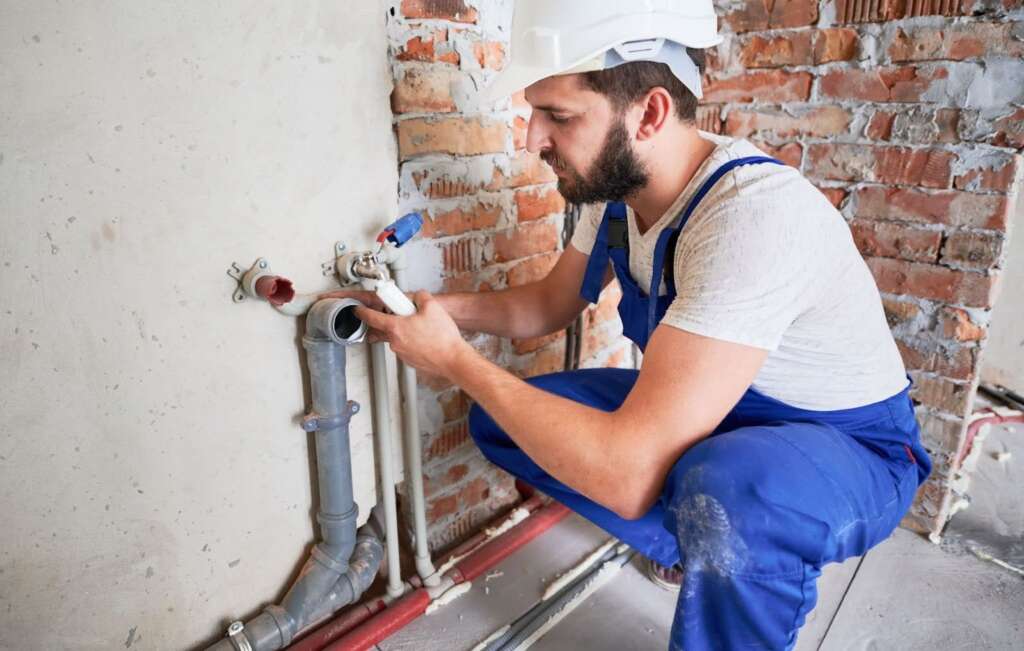
Thermal Imaging Cameras Explained
Thermal imaging cameras detect temperature differences caused by moisture movement. Escaping water alters the temperature of nearby surfaces. Cold water leaks cool materials unevenly across floors or walls. Hot water leaks create warmer zones that stand out clearly. Visual patterns help confirm the presence of leaks. Leak detection services often pair thermal imaging with other diagnostic tools.
Tracer Gas Testing for Sealed Pipes
Tracer gas testing introduces a harmless gas into sealed plumbing lines. The gas escapes at the exact point where water leaks out. Sensitive detectors identify gas movement through surfaces. This method works well beneath concrete slabs and underground pipes. Accuracy remains high even in complex plumbing layouts. Leak detection services use tracer gas when access remains limited.
Non-Invasive Leak Detection Methods
Non-invasive leak detection methods protect finished surfaces during inspections. These techniques reduce disruption to daily routines. Homeowners avoid unnecessary demolition. Leak detection services prioritize preservation whenever possible.
Pressure Testing for Plumbing Systems
Pressure testing evaluates the stability of plumbing systems. Technicians isolate pipe sections and monitor pressure levels. A pressure drop confirms water loss within the tested zone. This method works well for older or complex systems. Results help narrow the search area efficiently. Leak detection services use pressure testing as a foundational diagnostic step.
Video Pipe Inspection for Drain Lines
Video pipe inspection uses small cameras inserted into plumbing lines. The camera transmits live footage to a monitor. Cracks, corrosion, and blockages appear clearly on screen. This method suits sewer and drain lines particularly well. Homeowners can view the footage themselves. Leak detection services document findings for accurate repair planning.
How Leak Detection Services Identify Root Causes
Leak detection services focus on understanding why leaks occur, not just where water appears. Identifying the cause reduces the chance of repeat problems. Technicians assess materials, installation quality, and environmental conditions. This analysis supports long-term repair solutions.
Pipe Material Wear and System Aging
Plumbing materials degrade naturally over time. Metal pipes corrode due to exposure to minerals and moisture. Plastic pipes may crack under pressure or when subjected to temperature changes. Seals and joints weaken with repeated use. Leak detection services identify sections nearing failure. Repairs then target the trustworthy source of the issue.
Fixture and Appliance Connection Failures
Many leaks originate at fixtures and appliances rather than pipes. Valves loosen through daily operation. Appliance hoses experience constant stress. Improper installation increases failure risk. Leak detection services separate fixture leaks from structural plumbing problems. This clarity prevents unnecessary pipe replacement.
Environmental and Structural Stress Factors
Environmental conditions place steady stress on plumbing systems. Soil movement can shift underground pipes. Temperature changes cause pipes to expand and contract. Foundation settling alters pipe alignment. Tree roots may disturb buried lines. Leak detection services evaluate these factors during diagnosis.
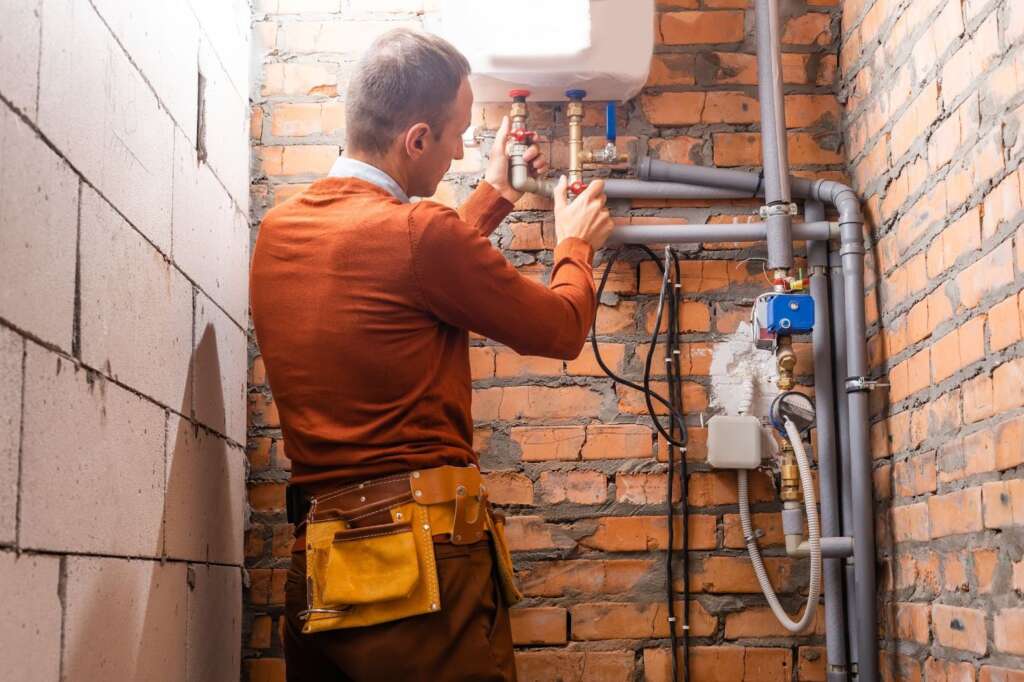
Benefits of Using Leak Detection Services
Leak detection services help homeowners manage water-related risks effectively. Accurate diagnosis keeps repairs focused. Property owners gain better control over maintenance decisions. These advantages reduce long-term uncertainty.
Limiting Structural Damage and Mold Growth
Continuous moisture weakens building materials over time. Wood framing absorbs water slowly but steadily. Drywall loses strength when exposed to damp conditions. Flooring materials warp or discolor permanently. Leak detection services limit prolonged exposure. Faster identification reduces restoration needs.
Controlling Repair Costs and Water Usage
Hidden leaks waste water every day they remain undetected. Utility bills rise without a clear explanation. Small leaks can escalate into extensive repairs. Leak detection services narrow repair areas precisely. Homeowners avoid widespread demolition. Cost planning becomes more predictable.
Supporting Accurate Insurance Documentation
Insurance claims often require proof of the origin of the damage. Leak detection reports provide clear documentation of findings. This documentation helps validate unexplained water loss. Insurers rely on precise diagnostics during evaluations—leak detection services supply verifiable data. Homeowners experience smoother claim discussions.
Preserving Property Value and Resale Appeal
Ongoing water issues quickly erode buyer confidence. Hidden damage may surface during inspections. Moisture concerns often delay sales. Leak detection services help resolve problems before listing. Clean inspection reports support stronger offers. Property value remains better protected.
Why Temporary Plumbing Fixes Can Worsen Leaks
Temporary plumbing fixes often address symptoms instead of causes. These actions may seem helpful in the moment. However, hidden leaks respond poorly to surface-level solutions. Leak detection services frequently find damage worsened by unverified repairs.
Pressure Redirection Inside Plumbing Systems
Tightening fittings or sealing visible moisture can alter the paths of water pressure. When one outlet closes, the pressure shifts to other outlets in the system. Weaker pipe sections then absorb the added strain. This redistribution may create new leaks far from the original issue. Homeowners may mistake this for multiple unrelated problems. Leak detection services identify the true origin behind pressure changes.
Sealants and Patches That Mask Active Leaks
Sealants can hide moisture temporarily without stopping internal flow. Water may continue moving behind walls or floors. Masked leaks delay professional evaluation. Structural damage progresses while surfaces appear dry. Materials like drywall and insulation silently absorb moisture. Leak detection services uncover these concealed conditions during testing.
Delayed Diagnosis and Escalating Damage
Temporary fixes often postpone proper diagnosis. Time allows moisture to spread into surrounding materials. Repair scope expands as damage grows. Homeowners face higher restoration costs later. Leak detection services prevent escalation by locating leaks accurately from the start. Accurate identification supports targeted and effective repairs.
Protect Your Home With Leak Detection Services
Hidden plumbing problems rarely stay contained, and waiting for visible damage often leads to costly repairs and unnecessary disruption. Leak detection services provide clarity when uncertainty lingers, enabling homeowners to address issues with confidence rather than guesswork. Identifying leaks at their source helps preserve structural integrity, indoor air quality, and long-term property value. Choosing professional detection reflects a proactive approach to home care, where informed decisions replace reactive repairs.
Explore expert plumbing guidance and real homeowner solutions on the Castaneda’s Plumbing and Rooter blog for smarter home care decisions.