
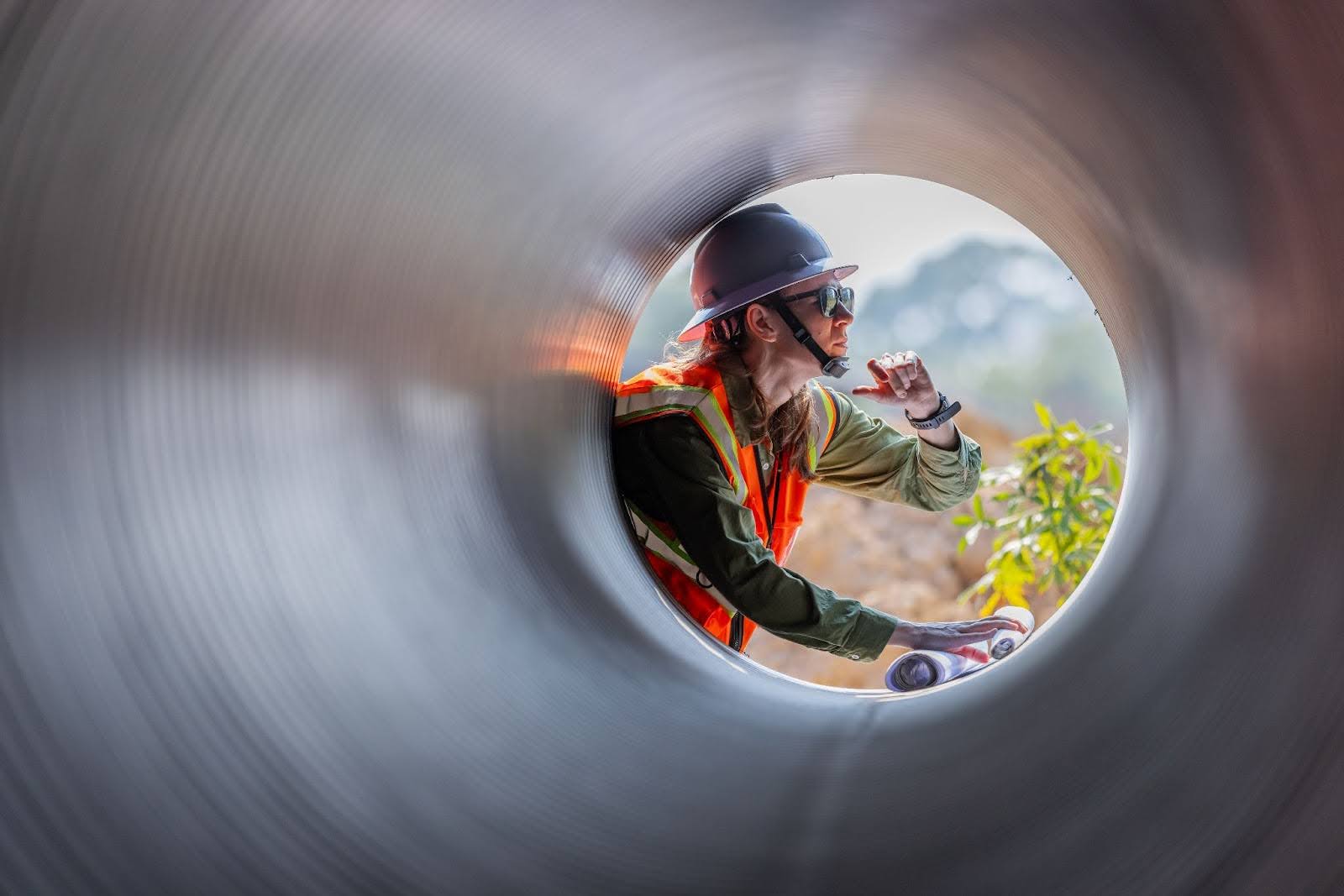
A sewer pipe is designed to last for decades, but conditions outside the pipe itself heavily influence its lifespan. Weather patterns, soil composition, moisture levels, and ground movement all place stress on underground plumbing over time. Unlike visible systems inside the home, sewer pipes deteriorate quietly, often without obvious warning until damage becomes severe. Understanding how environmental factors affect a sewer pipe helps homeowners recognize risks early and take preventative action. With proper awareness and maintenance, it’s possible to extend the life of a sewer pipe and avoid sudden, costly failures.
How Soil Composition Directly Impacts a Sewer Pipe
The type of soil surrounding a sewer pipe plays a significant role in how long it lasts. Clay-heavy soils expand when wet and shrink when dry, placing repeated pressure on pipes as conditions change. Sandy soils drain quickly but offer less structural support, allowing pipes to shift or sag over time. Rocky soil can cause abrasion or point pressure against the pipe exterior, increasing the risk of cracks. When soil doesn’t provide stable, even support, a sewer pipe is forced to absorb movement it wasn’t designed to handle, accelerating wear.
Sewer Pipe Damage Caused by Seasonal Ground Expansion and Contraction
Temperature changes throughout the year cause soil to expand and contract, especially in regions with hot summers and cold winters. This constant movement places stress on joints and connection points along the sewer pipe. Over time, repeated expansion can loosen seals or misalign pipe sections, creating weak points. In colder climates, this movement is often compounded by freeze-thaw cycles that intensify ground pressure. Seasonal shifts may happen slowly, but the cumulative effect can shorten a sewer pipe’s lifespan significantly.
Expansion During Wet Seasons
When soil absorbs moisture, it swells and exerts pressure on the pipe. This pressure can cause cracking or joint separation over time.
Contraction in Dry Conditions
As soil dries and shrinks, gaps form around the pipe, reducing support and allowing movement that stresses the structure.
The Effect of Heavy Rainfall on a Sewer Pipe
Prolonged or intense rainfall increases groundwater levels around a sewer pipe, thereby increasing external pressure on the system. Saturated soil becomes heavier and less stable, which can cause pipes to shift or bow. Excess water can also infiltrate existing cracks or weak joints, leading to internal erosion and accelerated deterioration. In areas prone to flooding, sewer pipes are especially vulnerable to collapse or joint failure. Managing drainage around the home is essential to reducing the impact of heavy rain on underground plumbing.
How Drought Conditions Weaken Sewer Pipe Support
While heavy rain poses obvious risks, drought conditions can be just as damaging to a sewer pipe. Extended dry periods cause soil to shrink and harden, reducing the support that normally cushions the pipe. This creates voids where the pipe can settle unevenly under its own weight. In some cases, the pipe may crack simply due to a lack of surrounding support. Drought-related damage often goes unnoticed until leaks or backups occur, making it a hidden but serious threat.
Soil Shrinkage Creates Unsupported Sections
As moisture leaves the soil, it pulls away from the pipe, allowing it to sag or shift.
Increased Risk of Joint Separation
Without stable soil pressure, joints are more likely to loosen and leak over time.
Freeze-Thaw Cycles and Their Impact on a Sewer Pipe
In colder climates, freeze-thaw cycles are one of the most destructive environmental forces acting on a sewer pipe. When moisture in the soil freezes, it expands, pushing outward against anything in its path. As it thaws, the soil contracts, leaving space behind. This repeated expansion and contraction places extreme stress on pipes and joints. Over multiple seasons, freeze-thaw cycles can crack rigid materials such as clay or cast iron, causing long-term damage that often requires replacement.
Tree Root Growth and Soil Movement Around a Sewer Pipe
Tree roots are naturally drawn to moisture, making sewer pipes an attractive target—especially when soil conditions fluctuate. As soil shifts due to weather changes, tiny gaps can form around pipe joints or cracks, allowing roots to penetrate. Once inside, roots expand and worsen existing damage while also shifting the pipe further out of alignment. This combination of soil movement and root intrusion accelerates deterioration and increases the likelihood of blockages, leaks, and eventual pipe failure.
Roots Exploit Soil Movement
Small soil shifts create entry points that roots can quickly invade and enlarge.
Root Expansion Increases Structural Stress
As roots grow, they apply outward pressure that worsens cracks and joint separation.
How Soil Erosion Undermines Sewer Pipe Stability
Erosion occurs when water carries soil away from around a sewer pipe, reducing the support that keeps it stable. This is ordinary near downspouts, slopes, or areas with poor drainage. As soil erodes, sections of the pipe may become suspended or unsupported, increasing the risk of sagging and cracking. Over time, erosion can lead to complete pipe collapse if left unaddressed. Preventing erosion through proper grading and drainage helps preserve sewer pipe integrity.
Sewer Pipe Material and Its Resistance to Weather Stress
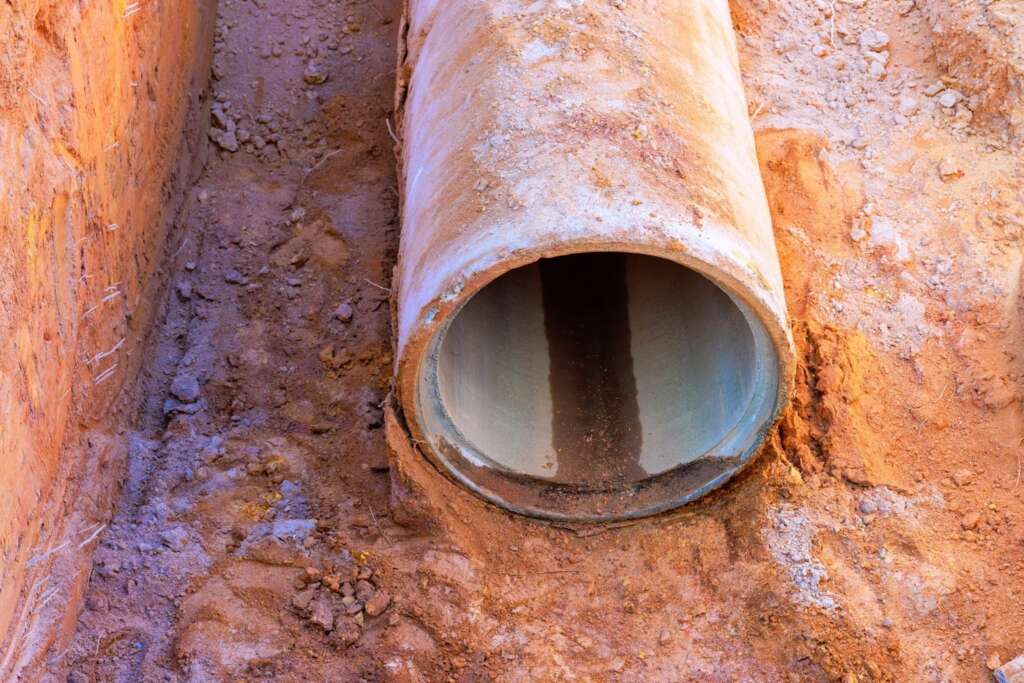
Different sewer pipe materials respond differently to soil movement and weather conditions. Older materials like clay and cast iron are more rigid and prone to cracking under stress. Modern materials such as PVC are more flexible, allowing them to absorb some movement without breaking. However, even flexible pipes can fail if soil conditions are extreme or persistent. Understanding the type of sewer pipe in your home helps determine how vulnerable it may be to environmental damage.
Rigid Pipes Crack More Easily
Clay and cast iron lack flexibility, making them more susceptible to soil pressure and movement.
Flexible Pipes Still Need Proper Support
PVC can bend slightly, but without stable soil, it can still shift or misalign.
How Improper Drainage Shortens the Life of a Sewer Pipe
Poor drainage around a property increases the stress placed on a sewer pipe by allowing water to pool in the soil. Standing water raises hydrostatic pressure and softens soil, making it easier for pipes to shift. Over time, this constant exposure weakens joints and accelerates corrosion in metal pipes. Proper drainage systems, such as gutter extensions and graded landscaping, reduce water buildup and help protect underground plumbing from unnecessary stress.
Sewer Pipe Damage Caused by Soil Settlement Over Time
Soil naturally settles as it compacts under weight and environmental conditions. This gradual movement can cause a sewer pipe to dip or form bellies where waste collects. These low spots increase the likelihood of clogs and internal wear. Settlement-related damage often develops slowly, making it difficult to detect without professional inspection. Addressing soil compaction issues early can prevent them from worsening.
Uneven Settlement Creates Low Points
Dips in the pipe collect debris and accelerate internal deterioration.
Gradual Movement Is Easy to Miss
Slow settlement often shows no symptoms until backups or leaks appear.
When Weather Patterns Accelerate Sewer Pipe Aging
Regions with extreme or rapidly changing weather experience faster sewer pipe aging. Frequent storms followed by dry periods create constant soil instability that stresses underground systems. Over the years, this repeated pressure weakens pipe walls and joints. Homes in these climates benefit from regular sewer inspections to catch damage early. Understanding local weather trends allows homeowners to anticipate risks and plan maintenance accordingly.
Why Preventive Maintenance Extends Sewer Pipe Lifespan
While weather and soil movement can’t be controlled, their impact on a sewer pipe can be managed. Routine inspections, camera assessments, and early repairs help identify stress points before failure occurs. Addressing small cracks, misalignments, or root intrusion early prevents larger structural damage later. Preventive maintenance is far less costly than emergency repairs and significantly extends the functional life of a sewer pipe. Proactive care turns environmental challenges into manageable risks.
How Ground Vibration and Traffic Stress a Sewer Pipe Over Time
Homes located near busy roads, construction zones, or rail lines experience constant low-level ground vibration that can slowly weaken a sewer pipe. Over time, this repeated movement loosens joints, worsens existing cracks, and accelerates misalignment. While the damage is gradual, vibration-related stress can significantly shorten a sewer pipe’s usable lifespan when combined with shifting soil.
Sewer Pipe Exposure to Groundwater Pressure During Seasonal Changes
Rising groundwater levels increase external pressure on a sewer pipe, especially in areas with poor drainage or high water tables. As pressure builds, weakened sections of pipe are more likely to crack or deform. Repeated seasonal pressure changes gradually reduce structural integrity, making early inspection critical in moisture-prone regions.
Why Older Sewer Pipe Installations Fail Faster in Unstable Soil
Older sewer pipe installations were often placed without modern bedding or compaction standards. In unstable soil, this lack of support allows movement that newer systems are designed to resist. As weather cycles continue, these older pipes deteriorate more rapidly, increasing the likelihood of leaks, blockages, and collapse.
Long-Term Planning for Sewer Pipe Protection in Changing Conditions
As climate patterns continue to shift, sewer pipe systems face increasing environmental stress. Homeowners who plan for these changes by improving drainage, monitoring soil movement, and upgrading aging pipes are better positioned to avoid sudden failures. Investing in modern materials and regular evaluations ensures sewer pipes remain reliable even as conditions evolve. Long-term planning isn’t just about repairs—it’s about adapting infrastructure to withstand the environment it’s buried in.
Visit our Castaneda’s Plumbing and Rooter blog to learn more about the different factors that impact sewer pipe lifespan.