
Your home’s sewer line is a vital but often overlooked part of your plumbing system. It quietly carries wastewater away from sinks, toilets, and drains, keeping your home sanitary and functional. When this system begins to fail, the warning signs often start small—slow drains, unusual smells, or minor yard changes—but can quickly turn into major issues if ignored. Sewer line repair is not something to delay; addressing early symptoms prevents costly damage to your home’s foundation, plumbing, and landscaping. Knowing what to look for ensures you can act quickly before the situation escalates.
Sewer Line Repair Is Needed When Multiple Drains Clog at Once
A single clogged sink or shower drain is typically a minor issue, but when several fixtures back up simultaneously, it’s a red flag that the problem lies deeper in the system. When your main sewer line is blocked, wastewater has nowhere to go and begins backing up through secondary drains across the home. This is a strong indicator that you need sewer line repair, not just simple drain cleaning. Ignoring this can lead to sewage backups in your bathrooms or laundry area, creating both health and structural risks.
Foul Odors Around Drains or the Yard Signal Sewer Line Repair Is Needed
If you notice persistent sewage smells inside your home or around the yard, your sewer line has likely developed a crack or leak. These odors occur when sewer gases escape through damaged sections of pipe or improperly sealed joints. Not only are the smells unpleasant, but prolonged exposure can also affect indoor air quality and health. Sewer line repair eliminates the leaks that allow these gases to escape, restoring sanitation and safety to your property.
Odors That Worsen After Rain
Rain can increase water pressure inside damaged pipes, pushing more gas and sewage smells to the surface. If smells worsen after storms, a break may be present.
Persistent Smells in Bathrooms or Basements
Unexplained foul odors in low-lying areas of the home may indicate a sewage backup or leaking lines beneath the floor.
Slow or Gurgling Drains Indicate Sewer Line Repair Is Needed
When wastewater can’t flow freely through the sewer line, air pockets form, causing gurgling or bubbling noises from drains and toilets. You might also notice slow drainage across multiple fixtures. These are classic symptoms of partial blockages or tree root intrusion. Professional sewer line repair can remove obstructions and reseal the line before a complete blockage occurs. Acting early prevents wastewater from backing up into living areas and reduces long-term damage to the pipe system.
Sewage Backups in Toilets or Tubs Require Immediate Sewer Line Repair
The most obvious and urgent sign of sewer trouble is wastewater backing up through toilets, tubs, or floor drains. This means the main sewer line is entirely or nearly blocked. Backups not only cause property damage but also expose your family to harmful bacteria. In these cases, emergency sewer line repair is essential to restore drainage and prevent contamination. Professional plumbers can inspect the system using a camera to locate the blockage or collapse and make targeted repairs instead of full replacement when possible.
Backups in the Lowest Fixtures First
Wastewater always seeks the lowest exit point, so you’ll typically notice backups in the basement or ground-level drains first.
Intermittent Backups That Return Quickly
If backups seem to clear temporarily but return within days, it’s a strong indicator of deeper pipe damage rather than surface-level clogs.
Unexplained Wet Spots in the Yard Suggest a Leak Needing Sewer Line Repair
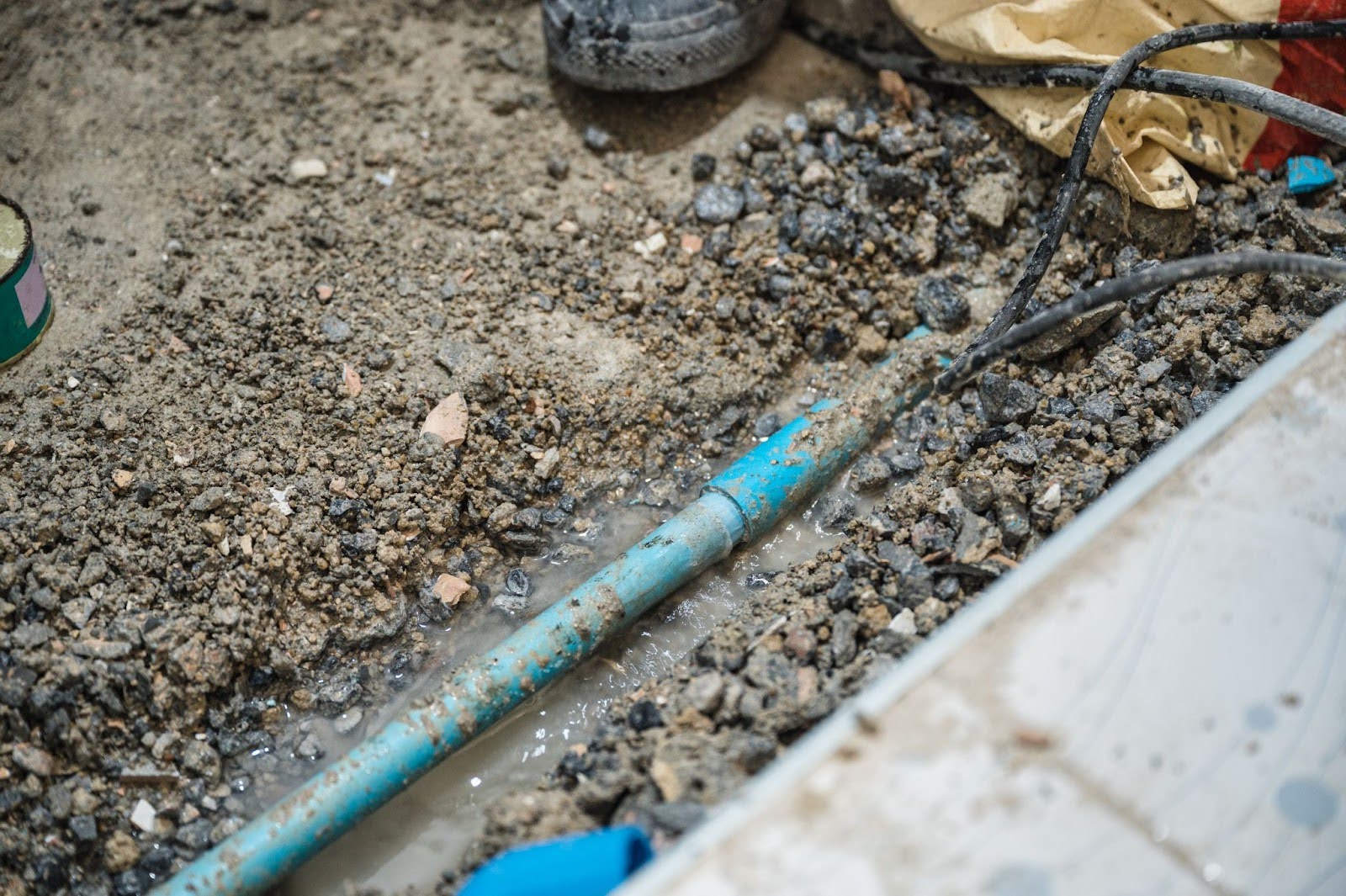
A soggy patch of grass or standing water that appears even in dry weather often means wastewater is leaking underground. This can happen when aging or damaged sewer lines crack under soil pressure. Over time, these leaks can erode soil, weaken landscaping, and even undermine the stability of driveways or patios. Sewer line repair stops these leaks at the source, preventing erosion and potential foundation damage while keeping your property safe and clean.
Lush or Discolored Patches of Grass Can Point to Sewer Line Repair Needs
If one area of your lawn appears greener, thicker, or grows faster than the rest, it could be feeding off nutrients from leaking wastewater. While it may look healthy, that patch indicates a break in the sewer line below. Similarly, you might see muddy or discolored areas forming even when it hasn’t rained. Professional sewer line repair corrects the problem by sealing the break and stopping the leak before it leads to sinkholes or contamination of nearby soil.
Sudden Lawn Growth in a Single Area
Over-fertilization from sewage leaks often creates a visible “green strip” across the yard that corresponds to the pipe’s location.
Persistent Dampness in the Same Spot
Moisture that never seems to dry out, even after sunny weather, is a clear sign of an underground leak.
Foundation Cracks and Settlement Can Result From Delayed Sewer Line Repair
When a sewer line leaks underground, the escaping water gradually washes away soil that supports your home’s foundation. This process can lead to uneven settling, cracks in walls or floors, and shifting doorframes. By the time structural signs appear, the damage may already be extensive. Prompt sewer line repair prevents further soil erosion and stabilizes the surrounding ground. In older homes, routine inspections are essential, as long-term soil saturation can permanently compromise the structure’s integrity.
Rising Water Bills May Signal a Hidden Sewer Line Problem
An unexpected increase in your water bill often indicates leaks in the plumbing system. While these are sometimes within indoor pipes, underground sewer leaks can also contribute to unexplained water loss. Since sewer lines are buried, the problem can go unnoticed until bills rise or visible damage appears. Scheduling an inspection and possible sewer line repair ensures leaks are detected early and repaired before they waste more water and money.
Comparing Monthly Usage Patterns
If your usage hasn’t changed but your bill has, it’s worth investigating hidden leaks that may stem from the sewer system.
Correlating Water Loss With Yard Moisture
Higher bills combined with damp soil are a strong clue that wastewater is escaping underground.
Tree Root Intrusion Is a Leading Cause of Sewer Line Repair
Tree roots naturally seek moisture and can infiltrate even small cracks in sewer pipes. Over time, these roots expand and block wastewater flow, leading to clogs, backups, and line collapse. This is especially common in older clay or cast iron pipes. Professional sewer line repair involves removing the roots, cleaning the interior, and sealing or replacing damaged sections to prevent future intrusion. For properties with large trees near the sewer line, installing a root barrier can add long-term protection.
Frequent Drain Cleaning Without Results Means It’s Time for Sewer Line Repair
If you find yourself repeatedly calling for drain cleaning but the problem keeps returning, it’s likely that your main sewer line—not the individual drains—is damaged. Recurrent clogs often indicate that something deeper, such as a cracked pipe or misaligned joint, is trapping debris. Sewer line repair provides a permanent solution by fixing the underlying issue rather than repeatedly addressing the symptom. With proper repairs, your drains should flow freely without constant maintenance.
Recurring Clogs in the Same Areas
When the same sink or toilet clogs repeatedly, the problem often stems from a partially collapsed main line.
Temporary Relief From Snaking
If snaking clears the line briefly but problems return, it’s a sign of structural damage rather than simple buildup.
Basement or Yard Sewage Smells Indicate a Leak Requiring Sewer Line Repair
Strong sewer odors in basements, crawlspaces, or outdoor areas mean sewage isn’t flowing where it should. A leaking or broken sewer pipe may be releasing gases and wastewater into nearby soil or air vents. In addition to being unpleasant, these fumes contain harmful bacteria and methane, which can pose health risks. Sewer line repair seals these leaks, ensuring all waste is contained and safely directed away from the home.
Cracked or Collapsed Pipes Demand Professional Sewer Line Repair
In older homes or areas with shifting soil, sewer pipes can collapse or break entirely. This stops the flow of wastewater and can lead to severe backups or ground instability. Signs include gurgling drains, frequent blockages, and visible sinkholes forming in the yard. Professional sewer line repair uses camera inspections to locate and replace the damaged section without unnecessary excavation. Modern trenchless repair methods can often restore the line with minimal disruption to your yard or driveway.
Aging Pipes Are More Vulnerable
Clay and cast iron pipes degrade over time, making them more prone to cracks and collapse under shifting soil pressure.
Trenchless Technology Saves Time and Landscaping
Newer repair methods like pipe lining and bursting minimize digging and restore full function quickly.
Why Timely Sewer Line Repair Prevents Larger Home and Health Problems
Ignoring early warning signs of sewer trouble can result in far more than plumbing inconvenience. Left unchecked, leaks and backups can lead to mold growth, soil contamination, and foundation instability. Sewer water carries bacteria and pathogens that pose serious health risks to anyone exposed to it. Prompt sewer line repair eliminates these hazards while preserving your property’s value and livability. By acting at the first signs of trouble, homeowners save thousands in future repair costs and protect both their families and their investment.
Visit our Castaneda’s Plumbing and Rooter blog to learn more about the top signs that your home needs sewer line repair.