

Clogged drains are one of those home problems that never arrive at a convenient time. A slow sink, a gurgling toilet, or wastewater backing up into a tub can derail your day and cause stress fast. While plungers and store-bought cleaners might offer quick, temporary relief, they rarely address the buildup hiding deeper in your pipes. That is where hydro jetting stands apart. Instead of scraping at a single blockage, this method uses high-pressure water to scour the interior of your pipes from end to end. By removing grease, scale, and debris along the entire line, it restores flow and helps prevent the next clog from forming in the same spot. Understanding what hydro jetting is and how it works can help you see why many professionals rely on it as their go-to drain cleaning solution.
What Hydro Jetting Is and How It Works Inside Your Pipes
At its core, hydro jetting is a professional drain-cleaning process that uses a specialized hose and nozzle to deliver high-pressure water into your plumbing system. The flexible hose is fed into the drain line, and when the equipment is activated, water is forced through the nozzle in carefully directed jets. These jets cut through blockages, peel away layers of grease and soap scum, and flush loosened material downstream and out of the system. Unlike basic snaking, which primarily punches a hole through a clog, hydro jetting aims to clean the whole internal surface of the pipe. When done correctly by a trained technician, it is safe for most residential and commercial plumbing systems and leaves the line cleaner than before the problem started.
Why Hydro Jetting Delivers Deeper, Longer-Lasting Cleaning
One of the most significant advantages of hydro jetting is its ability to provide more than a quick fix. Traditional methods often leave residue on the pipe walls, creating rough surfaces where debris quickly reattaches. With hydro jetting, the high-pressure water does more than dislodge the blockage; it washes away the stubborn buildup that has been narrowing the pipe for months or even years. That profound cleaning effect means clogs are less likely to return in the same place, and your drains can function closer to how they did when the plumbing was new. Homeowners often notice that multiple fixtures drain better after a thorough hydro jetting service, because the main line and branch lines have been flushed as a system. The result is fewer repeat service calls and more confidence that your drains will keep up with daily use.
Common Drain Problems Hydro Jetting Can Solve Quickly
Hydro jetting is versatile enough to tackle many of the most frustrating drain issues. In kitchens, years of cooking grease, food particles, and detergent residue can form heavy, sticky deposits that trap other debris. In bathrooms, hair, soap scum, and mineral deposits gradually constrict pipe diameter until even small additions cause standing water. Main sewer lines may struggle with a mix of wipes, paper, tree roots, and general buildup from the entire home. Hydro jetting addresses all of these problems by breaking apart clumps, sweeping out loose material, and smoothing out much of the residue that creates chronic trouble spots. In many cases, a line that has been plagued by recurring clogs finally stays clear once it is adequately jetted by a professional.
Kitchen and Bathroom Clogs
Kitchen and bathroom drains see heavy daily use, so buildup is almost inevitable over time. Hydro jetting cuts through that layered debris, restoring normal flow without the harsh chemicals that can damage pipes.
Main Line Blockages
When multiple fixtures back up at once, the main line is often to blame. Hydro jetting reaches through that entire run, clearing the path from your home to the municipal sewer or septic system.
When Hydro Jetting Is The Safest Choice For Your Plumbing System
While hydro jetting is a powerful method, it is not used blindly. A responsible technician will typically begin with a camera inspection to evaluate pipe material, age, and condition. If your lines are in reasonably good shape but struggling with buildup or soft obstructions, hydro jetting is often a safe and effective option. It is especially helpful for homes or businesses that experience recurring clogs, slow drains in multiple areas, or heavy use that leaves behind significant residue. In many cases, hydro jetting is also a safer long-term option than repeated use of chemical drain cleaners, which can be harsh on pipes and the environment. When pipes are extremely fragile or collapsed, your plumber may recommend repairs or replacement instead, but for many systems, hydro jetting strikes an ideal balance between strength and safety.
How Hydro Jetting Compares To Traditional Drain Cleaning Methods
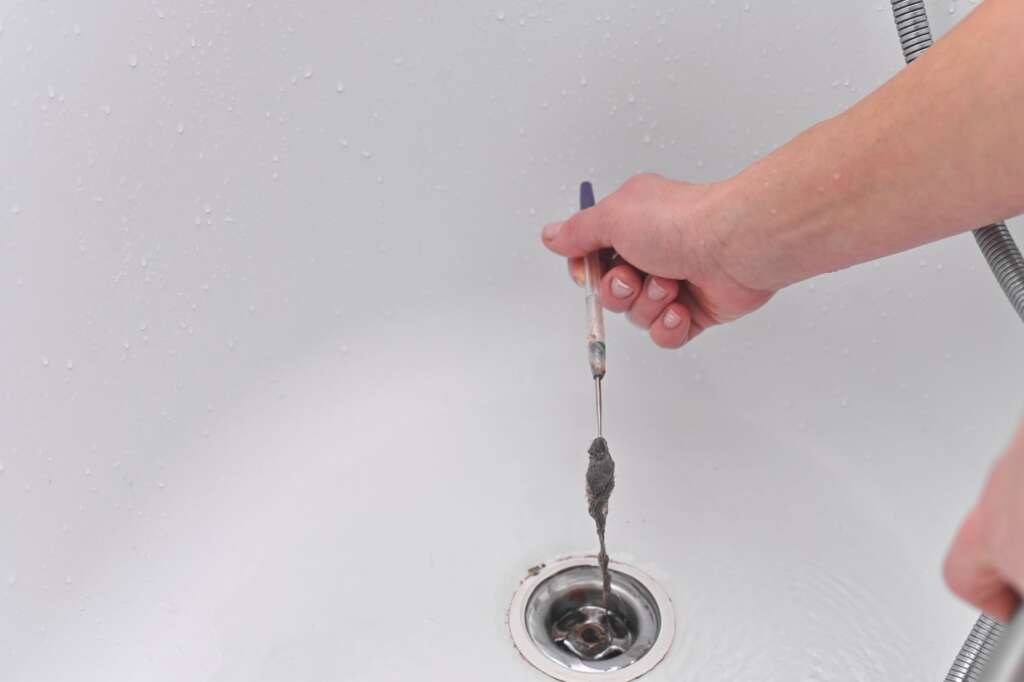
People often wonder how hydro jetting stacks up against tools they are more familiar with, like plungers and mechanical snakes. A plunger can be useful for very minor clogs near a fixture, but it is limited in reach and power. Mechanical snakes extend deeper but usually carve a narrow channel through a blockage, leaving much of the surrounding buildup in place. Hydro jetting goes further by attacking the full circumference of the pipe, not just a single path through the middle. It also offers a more thorough flush of loosened material, reducing the chance that debris will simply settle a few feet further down. For many property owners, combining occasional hydro jetting with good drain habits dramatically reduces emergency calls and unpleasant surprises.
Mechanical Snaking Versus Hydro Jetting Results
Snaking can offer quick relief for isolated clogs, but it often leaves the underlying buildup untouched. Hydro jetting is better suited to situations where you want a cleaner, more durable solution.
How Chemical Drain Cleaners Compare
Chemical products may dissolve some organic material, but they cannot effectively remove mineral deposits or heavy grease layers. Hydro jetting relies solely on water pressure, protecting your pipes from corrosive chemicals.
Why Hydro Jetting Supports Healthier, Odor-Free Drains
Slow drains and partial blockages do more than inconvenience you; they create ideal conditions for bacteria and unpleasant smells. Standing or sluggish wastewater allows organic matter to break down in the line, producing odors that can drift back into kitchens, bathrooms, and utility rooms. By thoroughly flushing out buildup, hydro jetting helps remove the material that feeds these odors. Cleaner pipes also mean fewer spots where bacteria and biofilm can thrive, contributing to a fresher, more sanitary plumbing system overall. For restaurants, commercial facilities, and busy households alike, that cleaner interior environment is a significant benefit, particularly in spaces where cleanliness is part of the customer or guest experience.
Preparing For A Professional Hydro Jetting Service Visit
If your plumber recommends hydro jetting, there are a few simple steps you can take to make the service go smoothly. Clearing access to cleanouts, basements, or utility areas helps the technician set up equipment quickly and safely. You may be asked about recent drain problems, past repairs, or whether you have noticed issues in specific fixtures, so having that history in mind is useful. The technician will typically perform an inspection, explain what they see, and outline the plan for hydro jetting before starting. During the process, you might hear the equipment running and water moving through the lines, but disruption inside the home is usually minimal. Afterward, the plumber may show you camera footage or describe how much buildup was removed, along with any recommendations for monitoring or future maintenance.

How Regular Hydro Jetting Benefits Older Or High-Use Plumbing
Older plumbing systems and high-use buildings are more prone to wear and tear, making deeper cleaning especially important. Regular hydro jetting helps remove the layers of grease, scale, and debris that build up faster in these environments, keeping pipes closer to their original capacity. For restaurants, multi-family properties, and busy households, that consistent cleaning can mean fewer disruptive backups, better performance from every fixture, and a longer lifespan for the drain system as a whole. Treating hydro jetting as scheduled maintenance rather than a last-resort fix keeps your plumbing ready for heavy daily use, rather than constantly catching up after clogs form.
Schedules For Heavy-Duty Plumbing Systems
Some properties benefit from annual or semiannual service, depending on usage and past clog history. A trusted plumber can help tailor a schedule that fits how your drains are actually used.
Extending Pipe Life
By reducing corrosive buildup and standing wastewater, regular cleaning helps protect pipe interiors. That protection can delay costly replacements and keep the system working efficiently longer.
How Hydro Jetting Helps Prevent Future Plumbing Emergencies
A key reason hydro jetting is considered the most effective drain cleaning method is its role in prevention, not just crisis response. When you schedule hydro jetting as part of routine maintenance—especially in older homes, high-use properties, or buildings with long drain runs—you are investing in the long-term reliability of your plumbing. Clean pipes are less likely to develop sudden blockages that cause messy backups, water damage, or business downtime. Regular service can also reveal early signs of pipe wear or structural problems before they turn into emergencies. Over time, the cost of periodic hydro jetting often compares favorably with the combined expense of repeated clogs, after-hours calls, and damage repairs. Instead of waiting for the next drain disaster, you can enjoy the peace of mind that comes from knowing your lines are clear and functioning as they should.
Visit our Castaneda’s Plumbing and Rooter blog to learn more about the uses of hydrojetting.