
Gas appliances make everyday life easier, but they also introduce a risk most homeowners don’t think about until something smells “off.” Gas leak detection turns that risk into something manageable by focusing on early detection, before a small problem becomes an emergency. Tiny leaks can develop slowly from vibration, aging connections, corrosion, or simple wear, and they don’t always announce themselves with a strong odor right away. Routine maintenance is about catching quiet issues early, and gas leak detection fits that mindset perfectly because it protects safety, prevents property damage, and supports healthier indoor air. When you treat gas systems like you treat your HVAC or plumbing, you reduce surprises and increase confidence in how your home operates.
Gas Leak Detection Protects Your Home From “Silent” Problems That Grow Over Time
A gas system can appear to work normally while a minor leak slowly develops at a fitting, valve, or connector. That’s why gas leak detection matters as routine maintenance, not just as a reaction to obvious warning signs. Leaks can change with temperature, pressure, or appliance use, meaning they might be present only at certain times of day or only when equipment cycles on. When you build consistent checks into your home care plan, you’re more likely to catch those patterns before they escalate. Early detection also helps you avoid compounding issues, such as soot buildup, reduced appliance efficiency, or recurring pilot-light problems that are sometimes linked to ventilation or fuel-delivery irregularities.
Why Gas Leak Detection Belongs on the Same Schedule as HVAC Maintenance
Most homeowners already understand that furnaces, boilers, and water heaters need periodic service to stay efficient and reliable. Gas leak detection naturally fits alongside those visits because many gas lines and connections are in the same mechanical areas. A routine schedule means you’re not relying on memory, luck, or a sudden smell to prompt action. It also gives you a consistent baseline, so if something changes from one season to the next, it stands out sooner. When gas leak detection becomes part of the regular maintenance rhythm, it’s less stressful, less disruptive, and far more effective than waiting until symptoms become urgent.
Routine Timing Makes Small Changes Obvious
When checks happen consistently, new odors, pressure changes, or appliance behavior shifts are easier to notice. That awareness supports faster action and fewer surprises.
Mechanical Rooms Hide Risks
Many homes have gas connections tucked behind appliances or in tight utility spaces. Gas leak detection helps catch issues in places you rarely inspect closely.
Gas Leak Detection Reduces Fire Risk and Supports Safer Daily Living
One of the biggest reasons to prioritize gas leak detection is the role it plays in preventing dangerous conditions. Gas is combustible, and a leak can increase the chance of ignition if it reaches a pilot light, spark source, or electrical component. Even when an ignition never happens, the risk is not something a homeowner should ignore. Regular checks help confirm that connections remain tight and that flexible connectors haven’t degraded or shifted. Safer daily living isn’t only about emergency response; it’s also about reducing the likelihood that an emergency occurs in the first place, and gas leak detection is a clear step in that direction.
How Gas Leak Detection Helps Maintain Indoor Air Quality and Comfort
Home comfort isn’t just temperature; it’s also the quality of the air you breathe every day. Gas leak detection supports a healthier indoor environment by identifying issues that can contribute to unpleasant odors, irritation, or ongoing discomfort that homeowners sometimes dismiss as “just the house.” While natural gas and propane are odorized to help detection, the smell can be inconsistent depending on airflow and household conditions. In addition, gas systems that are not functioning correctly can sometimes coincide with ventilation problems, backdrafting concerns, or appliance performance issues that affect air quality. Keeping a routine check helps protect the overall breathing environment of your home and supports a cleaner, more comfortable living space.
Odors Aren’t Always Predictable
Airflow, weather, and appliance cycling can make smells come and go. Gas leak detection helps you avoid relying on scent alone.
Comfort Improves When Systems Run Cleanly
Stable, properly operating gas appliances typically run more efficiently and consistently. That steadiness can translate into fewer comfort swings and fewer nuisance issues.
Gas Leak Detection Is Especially Important After Home Renovations or Appliance Changes
Renovations often involve moving appliances, adjusting cabinetry, replacing flooring, or altering ventilation pathways. Even careful work can bump a connector, stress a fitting, or change how air moves through a space. Gas leak detection after changes is a smart maintenance step because it verifies that everything is still sealed and operating as intended. The same applies when installing a new stove, dryer, fireplace insert, or water heater. Anytime a gas line is disturbed or a new connection is made, confirming leak-free performance is practical, not paranoid. It’s simply a best practice for protecting the investment you just made in your home.
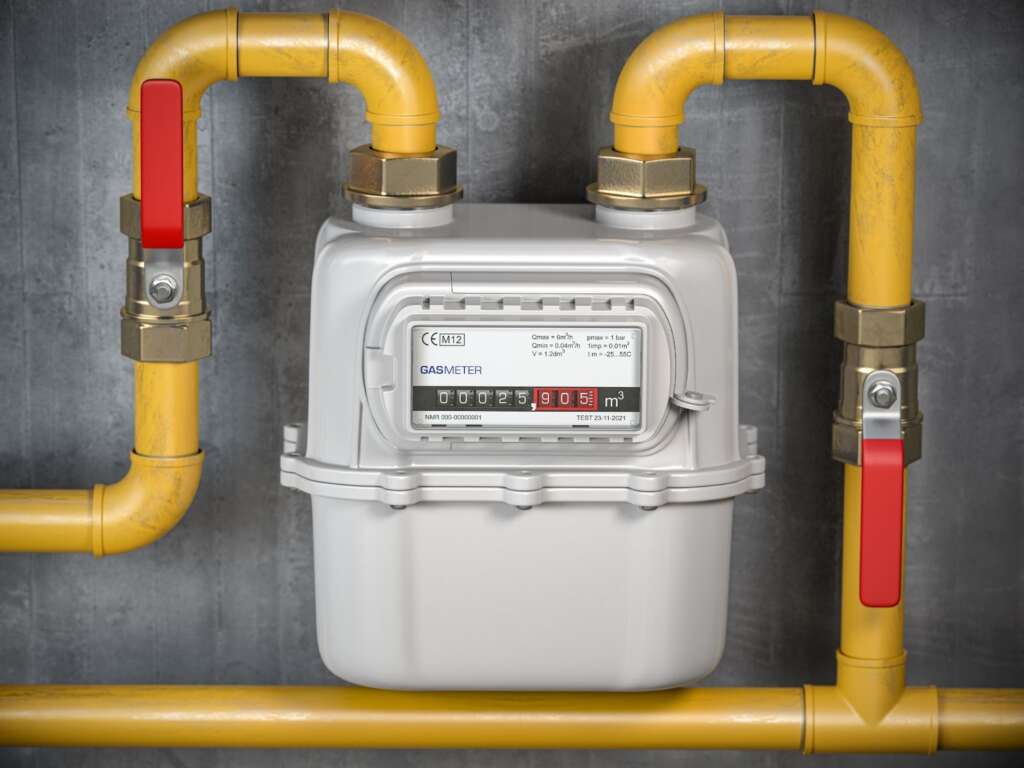
Gas Leak Detection Helps You Spot Appliance Wear Before It Turns Into Failure
Appliances age predictably, and gas-related components are no exception. Flexible connectors can fatigue, shutoff valves can loosen, and fittings can degrade slowly from heat cycles and vibration. Gas leak detection supports early intervention by highlighting a developing issue before a homeowner experiences an outage, a persistent odor, or an appliance that won’t stay lit. Catching wear early is also cost-effective because repairs are often more straightforward when the problem is minor. Routine checks help extend appliance reliability and reduce the chance that a minor connection issue forces an emergency service call.
Small Leaks Often Start at High-Movement Points
Areas that experience vibration, door slams, or frequent appliance use can loosen over time. Gas leak detection focuses attention where gradual change is most likely.
Early Fixes Are Usually Less Disruptive
Addressing a minor connection issue is typically faster than addressing widespread concerns. Routine attention helps keep repairs straightforward.
Why Gas Leak Detection Matters More in Older Homes With Aging Lines
Older homes may have legacy materials, older fittings, or past modifications performed under different standards. Even if everything has worked for years, aging components can become less forgiving over time. Gas leak detection becomes especially valuable in these homes because it confirms the system remains safe as the house settles, remodels accumulate, and mechanical equipment is replaced. It also helps homeowners avoid guessing when something feels “a little different.” Older systems can remain safe and functional, but they benefit from consistent verification to handle issues early and calmly.
Gas Leak Detection Supports Insurance, Documentation, and Peace of Mind
Homeownership comes with responsibility, and documentation often matters when something goes wrong. Gas leak detection performed as part of routine maintenance helps show that you take reasonable steps to maintain safe systems. That record can be helpful if you ever need to explain the maintenance history of an appliance, a repair, or a property transaction. Beyond paperwork, consistent checks create peace of mind because you’re not wondering whether a faint smell is real or whether a minor symptom is worth attention. When you treat detection as routine maintenance, you reduce anxiety and replace uncertainty with clarity.
A Maintenance Trail Helps Avoid Confusion Later
Keeping track of inspections and service dates makes it easier to understand patterns. It also helps technicians diagnose issues faster when something changes.
Peace of Mind Comes From Confirmed Safety
Knowing your system has been checked removes a big “unknown” from daily life. Gas leak detection turns worry into verified information.
Gas Leak Detection Works Best When You Know the Warning Signs Too
Routine checks are powerful, but homeowners should also understand what should trigger immediate caution. A persistent sulfur-like odor, hissing near a line, or a sudden change in appliance performance can all indicate a problem that deserves urgent attention. Gas leak detection as maintenance doesn’t replace common sense; it strengthens it by giving you a plan and a baseline. If you ever suspect a serious leak, leaving the area and contacting the appropriate professionals is the safe move. Routine detection helps reduce emergencies, and it also helps you respond more effectively when something feels abnormal.

Gas Leak Detection Helps Prevent Costly Secondary Damage to Home Systems
A gas issue rarely stays isolated in terms of consequences. When an appliance isn’t receiving fuel correctly or a connection is compromised, you may see performance problems that trigger additional wear on components or lead to repeated service calls that never fully solve the root cause. Gas leak detection can reduce that waste by pinpointing issues early, before they create a chain reaction of symptoms. It can also help prevent unnecessary replacements that happen when the real problem is a small leak or a failing fitting. From a maintenance perspective, detection is a simple step that can protect your budget by preventing repeated troubleshooting and avoidable system stress.
Making Gas Leak Detection Routine Creates a Safer Home Maintenance Culture
The most significant benefit of adding gas leak detection to routine home maintenance is consistency. Consistency shapes how you care for the house by building habits that prevent emergencies rather than reacting to them. When detection is part of your normal plan, you’re more likely to notice changes, schedule service at the right time, and keep your home operating smoothly year after year. You also reduce the temptation to dismiss minor concerns because you have a clear process for handling them. A safer home isn’t only about alarms and emergency plans; it’s about preventive care, and gas leak detection is a practical part of that approach.
Visit our Castaneda’s Plumbing and Rooter blog to learn more about the importance of gas leak detection.