
Owning an older home comes with character, charm, and sometimes surprise plumbing problems. What feels solid and dependable on the surface may be hiding pipes that are decades past their intended lifespan. When those underground pipes begin to crack, clog, or collapse, issues tend to appear suddenly as backups, foul odors, or soggy patches in the yard. That is why many older properties end up needing sewer line repair sooner than their owners expect. Understanding why these problems occur and how to spot them early can help you plan ahead rather than react in crisis mode.
Why Aging Properties Are Prone To Sewer Line Repair Issues
The plumbing systems in older homes were built for a different era, with different materials, installation methods, and expectations for longevity. Many sewer lines installed several decades ago were not designed to withstand today’s water use, tree growth, and ground movement. Over time, constant exposure to moisture, shifting soil, and the natural decay of certain pipe materials causes weak points to form. Small cracks and gaps eventually turn into larger breaks that let in roots, soil, and debris. Before long, the line can no longer carry waste efficiently, and the need for professional sewer line repair moves from “someday” to “right now.”
Aging Pipe Materials and The Need For Sewer Line Repair
One of the biggest reasons older homes require sewer line repair is the type of pipe material used initially. Clay, cast iron, and a now-obsolete product sometimes called “fiber” or “bituminous” pipe were common in past decades, and each has its own weaknesses as it ages. Clay pipes are brittle and prone to cracking along joints. Cast iron can corrode from the inside out, eventually developing holes and rough surfaces that trap debris. Fiber-based pipes tend to blister, deform, or collapse over time under sustained pressure and moisture. As these materials break down, they create openings for soil and roots, reduce the interior diameter of the line, and make blockages much more likely.
Common Pipe Types In Older Homes
Depending on when your neighborhood was built, your sewer line may be made of clay, cast iron, or other aging materials. Each one behaves differently as it wears out, so the repair strategy must match the pipe type.
How Pipe Age Changes Options
A line that is near the end of its lifespan may not respond well to simple cleaning. In many older homes, replacement or relining offers a more dependable, long-term fix than patching weak spots.
Tree Roots, Soil Shifts, and Sewer Line Repair Headaches
Older homes are often surrounded by mature trees and landscaping, which can be beautiful—and hard on buried plumbing. Tree roots naturally seek out moisture and nutrients, and a tiny crack in an older pipe can feel like an invitation. As roots grow into the line, they act like a net that catches toilet paper and other debris, slowly choking off flow. At the same time, decades of freeze-thaw cycles, heavy rain, and settling can cause the soil around the sewer line to shift. That movement places stress on joints and connections, creating even more entry points for roots or causing sections of the pipe to sag. Once a low spot forms, waste and water collect in that belly, further increasing the risk of clogs and repeated sewer line repair calls.
The Impact of Roots
A few roots can often be cut or cleared, but unchecked growth may fill long sections of pipe. When that happens, homeowners are more likely to face extensive repairs or full replacement.
Ground Movement
Soil that swells, shrinks, or settles can push pipes out of alignment. These subtle shifts are hard to see from the surface but can seriously affect how well the line drains.
Everyday Warning Signs Pointing Toward Sewer Line Repair
Older homes rarely fail without giving some advance notice. Slow drains throughout the house, gurgling sounds from toilets, and frequent clogs that affect multiple fixtures all hint at trouble beyond a simple sink blockage. You might notice that running the washing machine causes a floor drain to back up, or that flushing one toilet makes another bubble across the hall. Outdoors, soggy spots in the yard, patches of especially lush grass over the line, or unexplained sewer odors are classic red flags that sewer line repair may be necessary. Taking these signs seriously and calling a professional early often leads to more minor, more manageable maintenance instead of emergency excavation.
Indoor Clues That Indicate the Need for Repair
When more than one drain misbehaves at the same time, the problem is usually in the main line rather than in a single fixture. Ignoring these signals can give blockages time to grow worse.
Outdoor Signs That Repair May Be Urgent
Standing water, sunken areas, or strong sewage smells in the yard are warnings you should never postpone. They can point to broken sections of pipe that are leaking into the soil.
Hidden Costs Of Delaying Sewer Line Repair In Older Homes
Putting off sewer line repair might seem like a way to save money in the short term, but the long-term costs often tell a different story. A partially blocked or cracked line can quietly damage flooring, foundations, and landscaping as wastewater seeps into surrounding materials. What might have been a targeted repair today can grow into a complete replacement, combined with restoration bills for yards, patios, or finished basements. Delays can also increase the risk of sudden backups that damage belongings and disrupt daily life. Acting sooner rather than later helps keep the problem contained and the total cost more manageable.
Sewer Line Repair Diagnostics For Older Homes
One advantage of modern plumbing technology is that professionals no longer have to guess what is happening underground. Today, sewer line repair often begins with a camera inspection that sends a small video device through the pipe to look for cracks, roots, and low spots. This live footage reveals the pipe material, the extent of damage, and the exact locations of problem areas. In some cases, smoke testing or dye testing may be used to track where leaks connect to the surface. They also create a record of the line’s condition at a specific point in time, which can help plan future work, negotiating repairs during a home sale, or documenting that the line
has been updated.
Why Camera Inspections Improve Decisions
Seeing the inside of the pipe makes it easier to choose between cleaning, spot repair, relining, or full replacement. Clear visual evidence also helps prioritize which sections need attention first.
Mapping Damage
Accurate diagnostics limit unnecessary digging and guesswork. By pinpointing trouble spots, plumbers can target repairs and reduce disruption to driveways, landscaping, and walkways.

How To Choose Sewer Line Repair Experts For Older Homes
Not every plumber has the same level of experience with aging sewer systems, so choosing the right professional matters. When you need sewer line repair, it helps to look for companies that regularly work on older neighborhoods and are familiar with materials like clay or cast iron. Asking whether they offer camera inspections, trenchless options, and written estimates gives you a clearer picture of what to expect. You can also check reviews and ask neighbors with older homes about their experiences. An expert will explain findings in plain language, outline repair choices, and help you balance cost, disruption, and long-term reliability.
Questions To Ask
Good providers welcome questions about methods, warranties, and timelines. Clear answers help you feel confident that you are choosing a solution that fits both your home and budget.
Why Experience Matters
Older streets often share similar plumbing challenges. Contractors who work there regularly recognize patterns and can recommend proven approaches instead of guesswork.
Modern Sewer Line Repair Methods That Benefit Older Properties
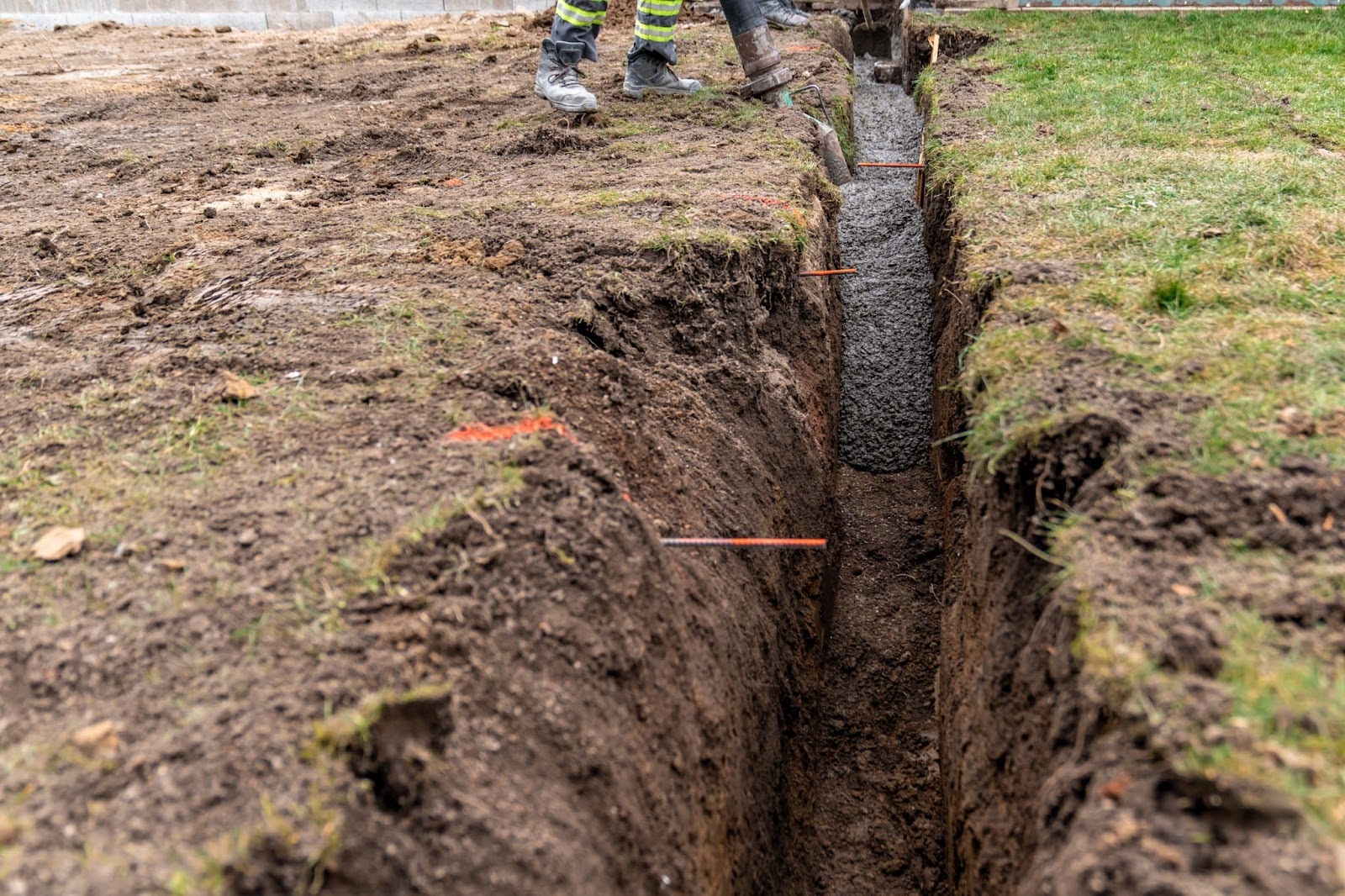
Even though older homes come with older plumbing, the techniques used to fix those lines have advanced significantly. Depending on the situation, your plumber may recommend traditional excavation, trenchless pipe bursting, or cured-in-place pipe lining. Traditional excavation involves digging to expose and replace damaged sections, which can be necessary when pipes are badly collapsed or misaligned. Trenchless methods allow new pipe to be installed or liners to be placed inside the existing line with minimal digging, preserving much of your yard and hardscape. For many older homes, combining thorough cleaning with trenchless sewer line repair offers a way to modernize underground plumbing without sacrificing mature landscaping or outdoor features. Homeowners who understand these options ahead of time are better prepared to compare costs, timelines, and long-term performance instead of making rushed decisions during an emergency.
Planning Ahead For Sewer Line Repair In An Older Home
If you own or are considering buying an older property, it is wise to think about the sewer line before a major problem forces your hand. Asking for a camera inspection as part of a pre-purchase evaluation or routine maintenance visit can reveal whether the line is in good shape, showing early wear, or already struggling. By treating your sewer line as an essential part of the home—not an invisible afterthought—you can enjoy the charm of an older house with fewer unpleasant surprises below the surface. Instead of fearing the next backup or repair bill, you can feel confident that you have a clear plan for keeping this critical system in good working order.
Visit our Castaneda’s Plumbing and Rooter blog to learn more about sewer line repair in older homes.