
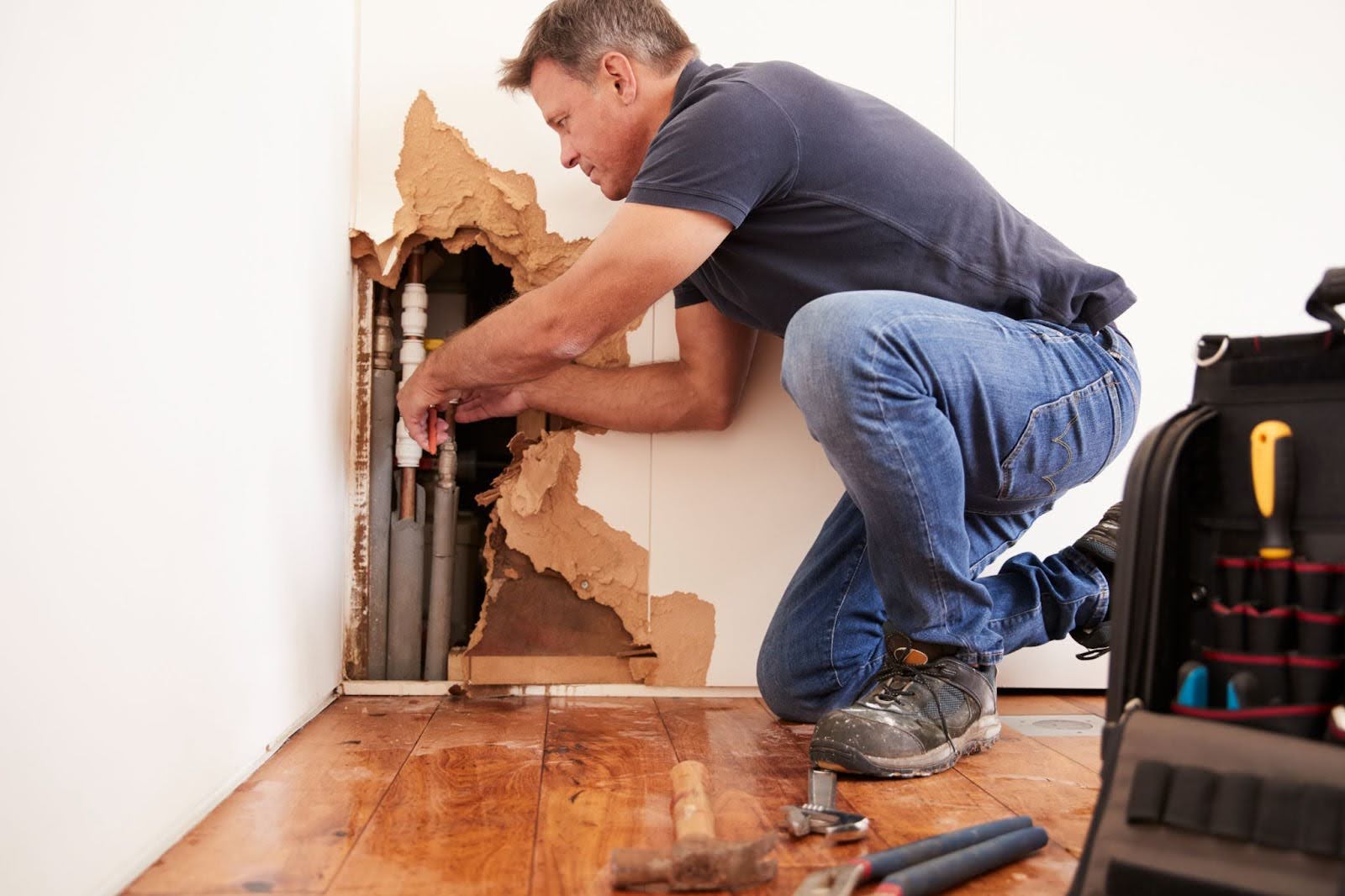
Most homeowners never expect water damage to start quietly, yet that is how it usually happens. A slow leak behind a wall or beneath a floor can run for months without drawing attention. During that time, moisture spreads, materials weaken, and repair costs rise without warning. Leak detection shifts the focus from reacting to visible damage to identifying hidden water loss before it disrupts daily life. That approach helps homeowners protect their property, finances, and peace of mind with far fewer surprises.
What Hidden Water Leaks Mean for Homes
Hidden water leaks are water that escapes from plumbing systems without visible surface signs. These leaks often occur inside walls, under flooring, or below concrete slabs, where they remain unnoticed. Moisture migrates through surrounding materials and affects more areas than homeowners expect. Leak detection identifies these concealed problems before damage spreads beyond control.
How Small Plumbing Failures Turn Into Leaks
Small plumbing failures usually begin in pipes, fittings, or valves that are in constant use. Water pressure, temperature changes, and mineral content gradually stress these components. Over time, seals loosen and pipe walls thin, allowing water to escape slowly. That moisture accumulates behind surfaces and spreads through framing and insulation. Homeowners rarely notice these changes until stains or odors appear. Leak detection finds these failures without unnecessary cutting or disruption.
Why Aging Pipes Increase Leak Risk
Aging plumbing systems are prone to predictable deterioration, increasing the risk of leaks. Galvanized steel corrodes internally, restricting water flow. Copper piping thins as minerals react with metal surfaces over many years. Plastic pipes can weaken or crack when exposed to repeated heat cycles. These failures develop gradually and rarely announce themselves. Leak detection helps homeowners manage older systems before damage becomes extensive.
Common Areas Where Leaks Stay Undetected
Certain areas of a home conceal plumbing more effectively than others. Bathrooms hide pipes behind tile, tubs, and cabinetry. Kitchens conceal connections beneath sinks and appliances. Slab foundations trap leaking pipes beneath concrete, where moisture spreads outward. Attics and crawl spaces allow water to collect unnoticed for long periods. Leak detection targets these hard-to-see areas using specialized equipment.
How Water Leaks Cause Property Damage
Water leaks damage homes by weakening both structural and surface materials over time. Moisture does not remain confined to the original leak location. It travels through porous materials and settles where airflow remains limited. Leak detection interrupts this process before damage spreads further.
Structural Damage From Ongoing Moisture
Ongoing moisture slowly compromises structural materials throughout a home. Wood framing absorbs water and loses strength as fibers break down. Subfloors swell and shift, pulling away from fasteners. Drywall softens and collapses after prolonged exposure to moisture. Concrete foundations develop cracks when water pressure persists. Leak detection limits moisture exposure that can lead to structural instability.
Damage to Floors, Walls, and Finishes
Interior finishes often show damage before structural issues become visible. Hardwood floors warp and separate at seams. Laminate flooring bubbles and loses adhesion. Paint blisters and peels as moisture pushes outward. Tile grout loosens and cracks when repeatedly saturated. Leak detection prevents finishes from reaching a point where replacement becomes unavoidable.
Electrical Risks Linked to Water Exposure
Water intrusion frequently affects nearby electrical systems. Moisture corrodes wiring connections and outlets over time—circuit breakers trip repeatedly as short circuits develop. Insulation around wiring deteriorates when exposed to damp conditions. Fire risk increases when water and electricity intersect. Leak detection reduces these hazards by limiting the spread of moisture.
Financial Impact of Ignoring Leak Detection
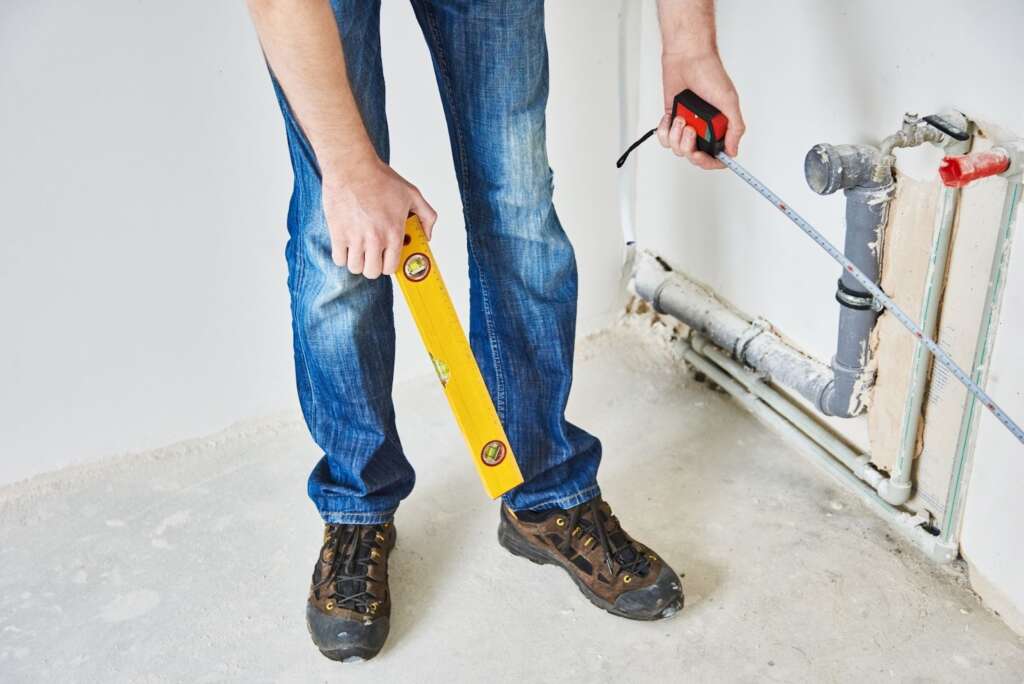
Ignoring hidden leaks leads to steadily rising repair costs rather than immediate expense. Homeowners often underestimate how quickly damage compounds. Water damage rarely involves a single repair trade. Leak detection supports cost control through accurate identification.
Rising Repair Costs From Continued Leaks
Minor plumbing repairs remain affordable when addressed promptly. As moisture spreads, remediation requires specialized labor and equipment. Mold treatment expands the scope and cost of restoration. Damaged finishes often require careful matching or full replacement. Delayed repairs stretch budgets beyond initial expectations. Leak detection keeps repair costs manageable.
Insurance Challenges With Water Damage Claims
Insurance policies often distinguish sudden leaks from gradual damage. Long-term leaks may receive limited coverage. Documentation becomes difficult without clear detection timelines. Claims investigations can delay necessary repairs. Out-of-pocket expenses grow during disputes. Leak detection provides clarity that supports insurance communication.
Property Value and Buyer Confidence
Water damage history strongly influences buyer confidence. Home inspections focus closely on moisture issues. Past leaks raise concerns about unresolved problems. Disclosures affect negotiations and pricing. Even if the repaired damage can reduce buyer trust. Leak detection protects long-term property value.
Health Risks Linked to Ongoing Water Leaks
Water leaks affect indoor health as much as physical structures. Moist environments encourage biological growth. Air quality declines as damp conditions persist. Leak detection reduces exposure to unhealthy living conditions.
Mold Growth and Air Quality Problems
Mold thrives in dark, damp environments created by leaks. Spores spread through air circulation systems. Prolonged exposure irritates the respiratory system and worsens allergies. Recovery times increase for sensitive individuals. Children and older adults face a higher risk. Leak detection removes moisture sources that allow mold to grow.
Bacteria and Contaminant Development
Standing water supports bacterial growth quickly. Contaminants spread across surfaces through contact and airflow. Bathrooms and kitchens face higher exposure risks. Skin irritation and infections become more likely. Odors often signal bacterial activity. Leak detection removes conditions that promote contamination.
Pest Attraction From Moist Conditions
Moist environments attract insects and rodents. Termites thrive in damp wood structures. Rodents follow water sources into walls and crawl spaces. Pest activity worsens existing structural damage. Extermination adds another layer of cost. Leak detection discourages pests by eliminating moisture sources.
Smart Leak Detection Systems for Homes
Smart leak detection systems continuously monitor water use. These systems combine detection with automated response features. Homeowners gain oversight even when away. Leak detection benefits from constant monitoring.
Automatic Water Shutoff Systems
Automatic shutoff valves stop water flow during abnormal usage. Systems respond within seconds of detection. Water spread remains limited quickly. Homes stay protected during absences. Damage potential drops sharply. Leak detection paired with shutoff systems strengthens protection.
Real-Time Alerts and Notifications
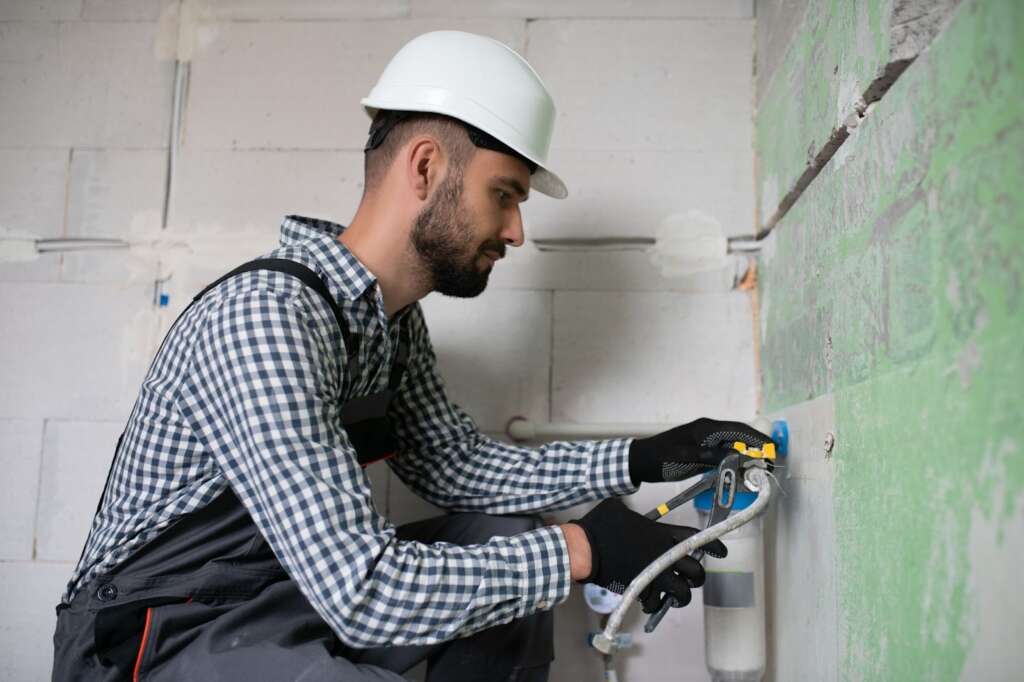
Innovative systems send alerts directly to mobile devices. Notifications explain location and severity clearly. Homeowners respond faster to developing issues. Alerts reduce reliance on visual warning signs. Remote access improves peace of mind. Leak detection stays active around the clock.
Integration With Home Management Platforms
Leak detectors integrate with broader home automation platforms. Centralized dashboards simplify monitoring and control. Usage data supports maintenance planning. Systems adapt to household water patterns. Connectivity improves response coordination. Leak detection fits seamlessly into modern home management.
Benefits of Leak Detection for Homeowners
Leak detection supports long-term home stability and reliability. Preventive monitoring reduces uncertainty. Maintenance becomes controlled rather than reactive. Leak detection strengthens overall home care.
Reduced Disruption During Repairs
Accurate detection limits the need for demolition. Repairs focus on affected areas only. Households experience fewer interruptions. Restoration timelines shorten noticeably. Noise and debris remain minimal. Leak detection preserves daily routines.
Protection of Building Materials
Dry materials maintain strength over extended periods—stable moisture levels slow material deterioration. Floors and cabinets retain alignment. Finishes last longer under controlled conditions. Structural elements remain dependable. Leak detection supports material longevity.
Greater Confidence in Maintenance Decisions
Clear information supports informed planning. Homeowners understand system conditions better. Maintenance schedules become intentional. Unexpected emergencies occur less often. Stress from uncertainty decreases. Leak detection builds confidence in home management.
Signs That Indicate Leak Detection Is Needed
Specific changes suggest hidden water problems. These warning signs often appear gradually. Awareness improves response timing. Leak detection confirms concerns accurately.
Unexplained Increases in Water Bills
Water bills rise even when usage habits don’t change. Seasonal variations fail to explain the increase. Meters run while fixtures remain off. These signs point to hidden water loss. Monitoring alone rarely identifies the source. Leak detection provides clarity.
Persistent Odors and Damp Sensations
Musty odors linger despite regular cleaning. Floors feel warm or damp underfoot. Walls appear swollen or soft to the touch. Odors concentrate in specific rooms. These symptoms suggest trapped moisture. Leak detection locates the source.
Visible Stains and Surface Changes
Ceiling stains spread gradually. Paint cracks and bubbles unevenly. Baseboards discolor or loosen. Flooring shifts without spills. These surface changes reflect deeper issues. Leak detection reveals underlying causes.
Leak Detection as a Long-Term Protection Strategy
Leak detection supports proactive home management. Regular monitoring reduces exposure to damage. Professional evaluation improves accuracy. Leak detection strengthens property resilience.
Routine Inspections for Ongoing Safety
Scheduled inspections identify gradual changes early. Professionals assess plumbing systems comprehensively. Inspection frequency adapts to home age and materials. Seasonal shifts receive focused attention. Documentation supports future planning. Leak detection becomes routine maintenance.
Value of Professional Expertise
Trained technicians interpret data accurately. Experience separates false readings from real issues. Tools require skilled operation for reliable results. Professionals recommend precise repair paths. Homeowners avoid unnecessary work—leak detection benefits from expert oversight.
Preparedness Reduces Long-Term Risk
Prepared homeowners respond calmly to issues. Systems remain monitored consistently. Risk exposure declines over time. Maintenance becomes predictable. Stress from unexpected damage decreases. Leak detection supports stable home ownership.
Detect Leaks Before Damage Spreads
Water problems rarely announce themselves, and hidden leaks continue to cause harm long before visible signs appear. Each unnoticed drip allows moisture to weaken structures, affect indoor air quality, and complicate future repairs. Leak detection gives homeowners the insight needed to address water loss at its source rather than reacting to costly damage later. Choosing professional detection reflects careful stewardship of your property and a clear commitment to long-term home protection.
Learn how proactive leak detection protects your home by reading more expert articles on the Castaneda’s Plumbing and Rooter blog.